As a fragile ceasefire between the United States and Iran nears its expiration this Wednesday, senior Iranian officials have issued stark warnings about military preparedness, casting a shadow over diplomatic efforts to end hostilities.
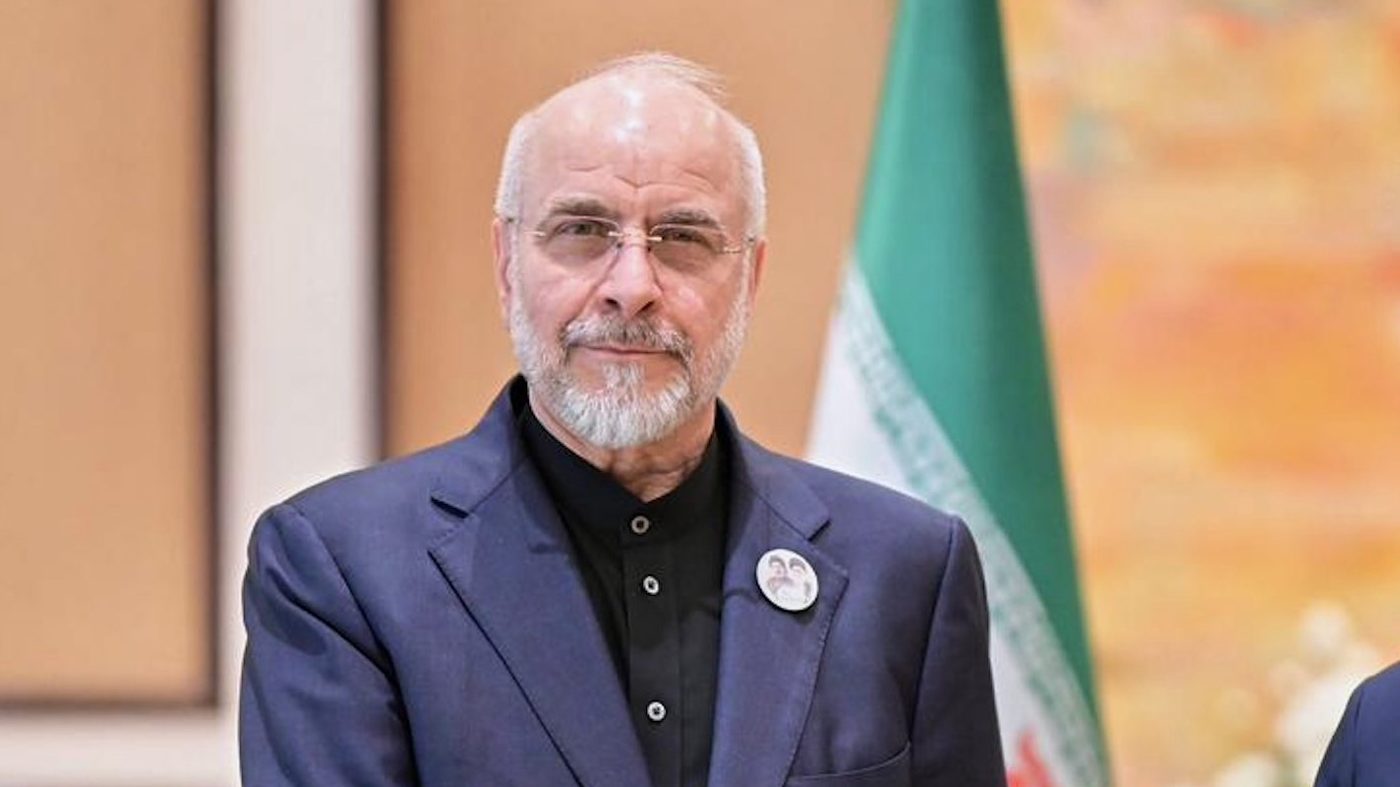
Mohammad Bagher Ghalibaf, the Speaker of Iran's Parliament and a lead negotiator, stated on Saturday that Tehran's armed forces remain on high alert. "We do not believe that being at the negotiating table means our military is unprepared," Ghalibaf told state broadcaster Press TV. "Just as our people are present in the streets, our armed forces are also fully ready."
Strategic Strait Under "Strict Control"
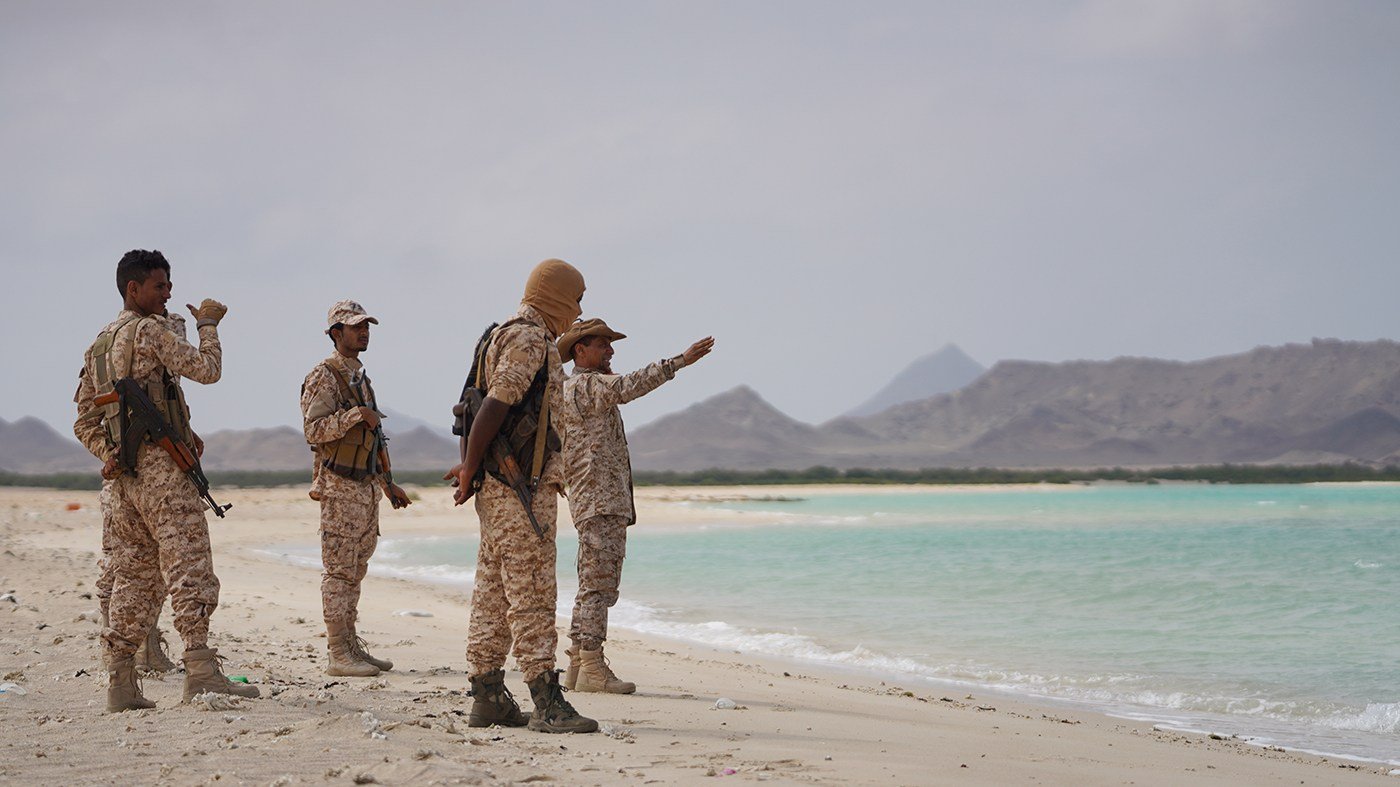
The declaration of readiness coincides with a significant escalation in the Persian Gulf. Iran's Islamic Revolutionary Guard Corps (IRGC) announced early Saturday that it is reinstating "strict" control over the Strait of Hormuz, a vital global oil transit corridor. The move is a direct response to the ongoing U.S. naval blockade that has severely restricted Iranian shipping.
An IRGC spokesperson declared on social media that the restrictive measures would remain in place "until the U.S. ends its obstruction of the full freedom of movement of vessels to and from Iran." This action has already roiled energy markets, contributing to U.S. gasoline prices surpassing $4 per gallon for the first time since 2022.
Mutual Distrust and Threats of Force
The diplomatic atmosphere is fraught with mutual suspicion. Ghalibaf explicitly stated that the Iranian regime has "no trust" in the Trump administration and is actively preparing for the possibility that "war could break out" again. This sentiment echoes past Iranian propaganda efforts aimed at undermining U.S. credibility.
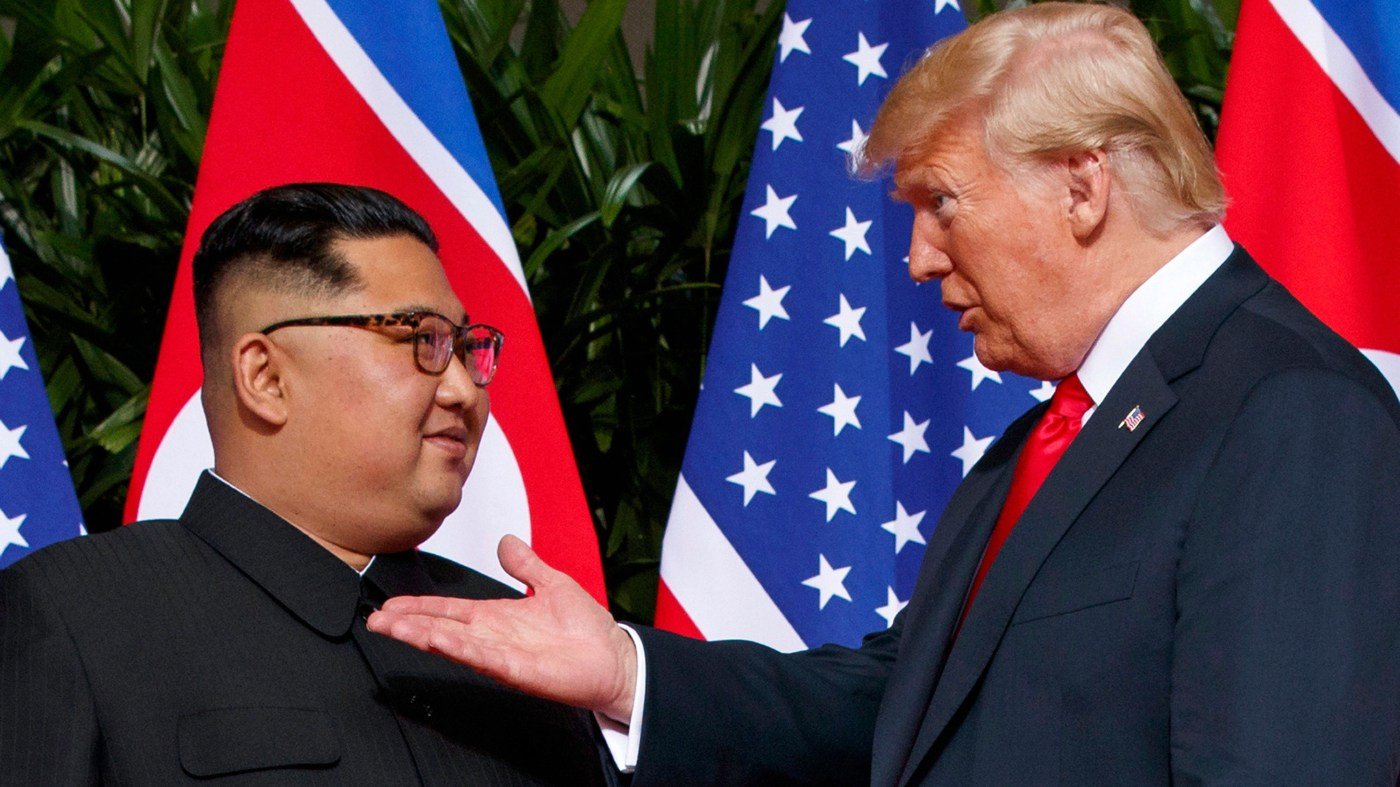
From Washington, the rhetoric has been equally confrontational. In a televised interview on Friday, former President Donald Trump warned that the U.S. military would "have to start dropping bombs again" on Iran if the two sides fail to reach an agreement. While expressing optimism that a deal is possible, the threat underscores the high stakes of the current negotiations.
Ghalibaf framed Iran's position as one of sovereign defiance. "Consolidating the rights of the nation must be our main goal," he asserted. "And rest assured, there will be no capitulation in the field of diplomacy." The central U.S. demand, which has been a consistent feature of Trump's foreign policy, is for Iran to completely abandon its nuclear program—a red line for Tehran.
This stance aligns with Trump's longstanding vow to prevent an Iranian nuclear weapon, a goal that has defined the volatile relationship between the two nations. The negotiations are now in a critical phase, with the temporary ceasefire providing a narrow window for a breakthrough.
The simultaneous military posturing from both capitals suggests that, while diplomacy is being pursued, each side is preparing for its potential collapse. The situation presents a classic security dilemma, where actions taken to ensure one nation's safety—like the IRGC's control of the Strait or the U.S. naval presence—are perceived as direct threats by the other, fueling further escalation.
The outcome of this week's talks will have profound implications for global energy security, regional stability, and the future of non-proliferation efforts. With military forces on standby and leaders exchanging threats, the path to peace remains perilously narrow.