In 1957, President Dwight D. Eisenhower framed racial strife as a national security threat, warning that America's enemies would exploit visible discrimination for propaganda. That Cold War insight has found a grim new relevance in the digital age, with the Islamic Republic of Iran now actively weaponizing America's racial divisions and historical grievances through sophisticated online campaigns.
A Digital Battlefield, An Old Strategy
The tactics have evolved from state-controlled radio to viral memes and rap songs, but the strategic objective remains unchanged: to turn Americans against each other and undermine national cohesion. Researchers have identified coordinated Iranian-linked social media networks pushing anti-American and anti-Israel narratives specifically designed to exacerbate domestic U.S. divisions. These campaigns target Black Americans, women, and other groups, leveraging real historical injustices while often blending them with exaggeration and falsehoods.
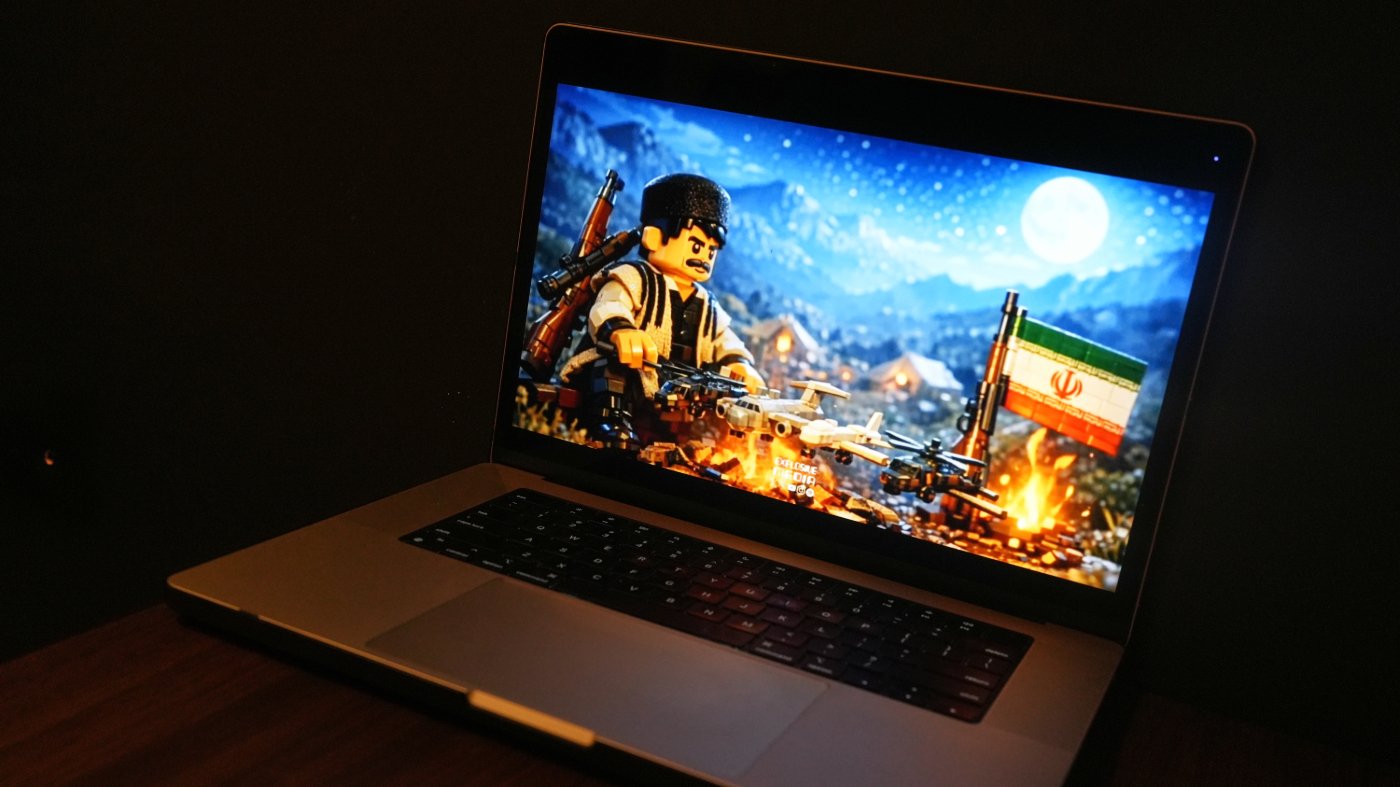
"The Iranian regime's propaganda videos speak to real critiques of the American government, but they are wildly hypocritical," said Kayla Pincus, a strategist and consultant. "The point is to put quirky visuals to a rap song to say to Black Americans and white allies: 'Hey look, we understand you; we're the same.' It's an identity grab." Pincus warns that America's failure to adequately address its own internal issues creates an opening for an oppressive foreign power to gain influence.
Domestic Amplification of Foreign Narratives
The most damaging aspect of this campaign, analysts note, is the degree to which domestic actors unwittingly or willingly amplify Tehran's lines. Voices across the political spectrum, from the far left to the far right, often echo propaganda themes that originate in Iran, particularly concerning anti-Israel and antisemitic sentiment. Some political figures and media personalities monetize division, treating racial tension and anti-Americanism as content to be packaged and sold. This activity, regardless of intent, effectively does Iran's work for it, turning domestic actors into assets for a foreign adversary.
This dynamic is not hypothetical. The propaganda seeks to drive wedges between key demographic groups, notably between Black Americans and Jewish Americans, while whitewashing Iran's own extensive record of human rights abuses. The campaign's effectiveness is heightened by America's ongoing struggle with its own history, as seen in contemporary debates over racial justice and systemic bias, a topic the Supreme Court continues to grapple with in rulings on jury selection.
The Consequence of Unresolved Division
Modern propaganda's power lies not in inventing new falsehoods, but in amplifying existing societal fractures until they become unbridgeable chasms. Iran's operatives are adept at identifying these fissures—whether rooted in genuine grievance or political polarization—and inflaming them. This external pressure coincides with a period of significant shifting American public opinion on foreign allies like Israel, creating a complex information environment.
The situation presents a stark contradiction: some of the same voices fueling domestic division simultaneously profess support for national security and military personnel. Security experts argue this is an unsustainable position; actively weakening national unity directly aids America's enemies. The challenge is further complicated by debates over security tools, as Congress faces deadlines on reauthorizing surveillance authorities under FISA Section 702.
A Path Forward Requires Internal Reckoning
Confronting this threat does not require pretending America is flawless. The nation's history is marked by profound contradictions. The critical distinction lies between addressing real issues in a manner that strengthens the republic and exploiting those issues in ways that tear it apart. Eisenhower understood that a nation's internal character directly shapes its external security. In today's interconnected world, that reality is amplified; domestic discord is instantly globalized and weaponized.
The solution hinges on a more serious, unified approach to America's lingering social challenges. Without a concerted effort to address these issues constructively—to forge a more perfect union rather than fracture it—adversaries like Iran will continue to find fertile ground for divisive propaganda. As diplomatic tensions persist, evidenced by fragile ceasefire negotiations between the U.S. and Iran, the information war remains a central front. If current trends of internal division continue, America's enemies won't need to try very hard to weaken it; the nation will be doing the job for them.