American Public Support for Israel Plummets in New Polling
Israel faces a deepening crisis in American public opinion, with new survey data revealing a sharp and rapid decline in support that threatens the foundation of the U.S.-Israel relationship. According to a recent Pew Research Center survey, more than 60% of Americans now view Israel unfavorably, a notable increase from 53% just one year ago. The intensity of this negative sentiment is particularly striking, with 28% of respondents reporting a "very unfavorable" view—a figure that has nearly tripled since 2022.
The Gaza War and the Iran Calculus
The polling, conducted after the initial phase of the U.S.-Iran conflict, suggests Israel's recent strategic decisions have come at a high diplomatic cost. The war in Gaza had already alienated many Americans, particularly younger and progressive voters, before the confrontation with Iran began. Israel's leadership appears to have calculated that the reputational damage from drawing the United States into a campaign against Tehran was an acceptable price for addressing what it perceives as an existential threat following the October 7 Hamas attacks.
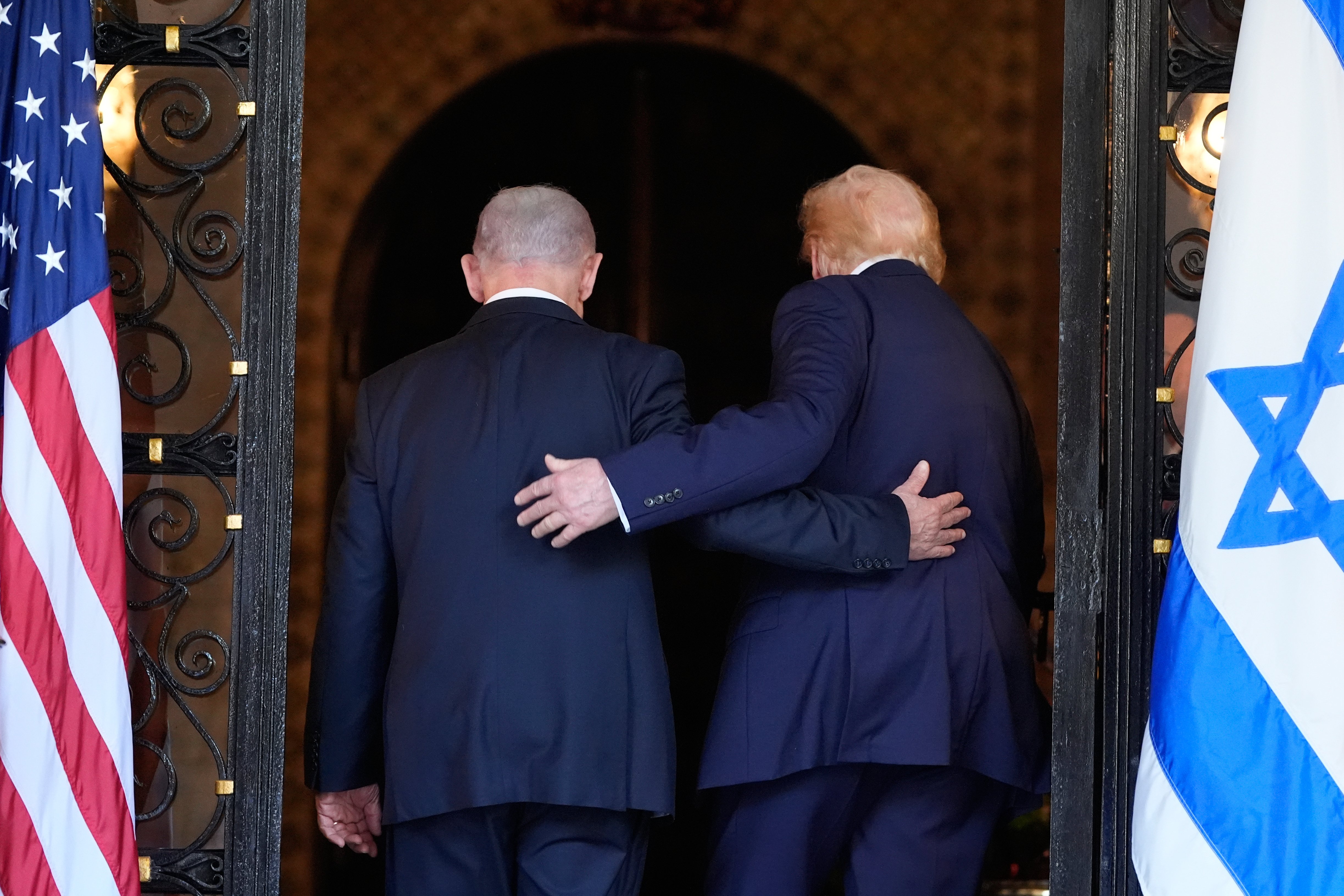
However, Israel's long-term security has historically depended on its alliance with the United States, which itself relies on sustained public backing. The current trajectory risks undermining both. A substantial portion of the blame for this shift is directed at Prime Minister Benjamin Netanyahu, whose domestic unpopularity mirrors Israel's declining favorability in the U.S. His close political alliance with former President Donald Trump has alienated mainstream Democrats who view Trump as a threat to democratic institutions. Simultaneously, Netanyahu's advocacy for U.S. military engagement in Iran has unsettled non-interventionist Republicans, raising questions about the consistency of "America First" foreign policy. This dynamic is part of a broader pattern where Trump's foreign policy rhetoric continues to strain traditional alliances.
Netanyahu's Persuasion Campaign and U.S. Skepticism
Reporting indicates Netanyahu actively lobbied the Trump administration for a more aggressive stance against Iran. During a key meeting in the White House Situation Room, the Israeli prime minister reportedly presented an optimistic assessment to Trump, arguing Iran was "ripe for regime change," that its missile capabilities could be swiftly neutralized, and that internal protests would resurge. U.S. officials, including the CIA director and then-Secretary of State Marco Rubio, viewed these claims with deep skepticism, with one reportedly dismissing the briefing as "farcical."
Despite this internal pushback, Trump ultimately aligned with Netanyahu's position. Some advisors have suggested that subsequent Israeli military actions were a decisive factor in locking in the U.S. response. This episode reflects a deliberate and risky diplomatic strategy that has drawn sharp criticism for escalating regional tensions.
Distinguishing Policy Criticism from Prejudice
Amid this political fallout, it is crucial to distinguish legitimate criticism of Israeli government policy from antisemitic tropes. Claims that Netanyahu manipulated or controlled Trump venture into territory that echoes dangerous, historic prejudices. The relevant distinction lies in whether criticism is directed at specific state actions and officials or relies on broad generalizations about Jewish people. Absent concrete evidence, conspiracy theories about coercion belong to the realm of fantasy. Trump is a consequential political actor in his own right; to suggest otherwise is to absolve him of accountability for his administration's decisions.
The Future of the 'Special Relationship'
The current state of American public opinion presents a serious long-term challenge for Israel. While it is possible that geopolitical outcomes could eventually rehabilitate Israel's image in the U.S., the more probable scenario is a continued erosion of support. This decline could eventually pressure a future president, regardless of party, to reevaluate the terms of the U.S.-Israel partnership, including the substantial annual financial aid package. Such a reassessment, once unthinkable in mainstream politics, is now a plausible future development.
The situation remains fluid. The fragile ceasefire with Iran may not hold, and U.S. domestic politics continue to evolve. The political landscape is further complicated by ongoing Democratic efforts to challenge Trump's fitness for office and broader debates over the efficacy of confrontational foreign policy doctrines. For Israel, the battlefield victories may be overshadowed by a slow-burning crisis of legitimacy in the eyes of its most critical ally.