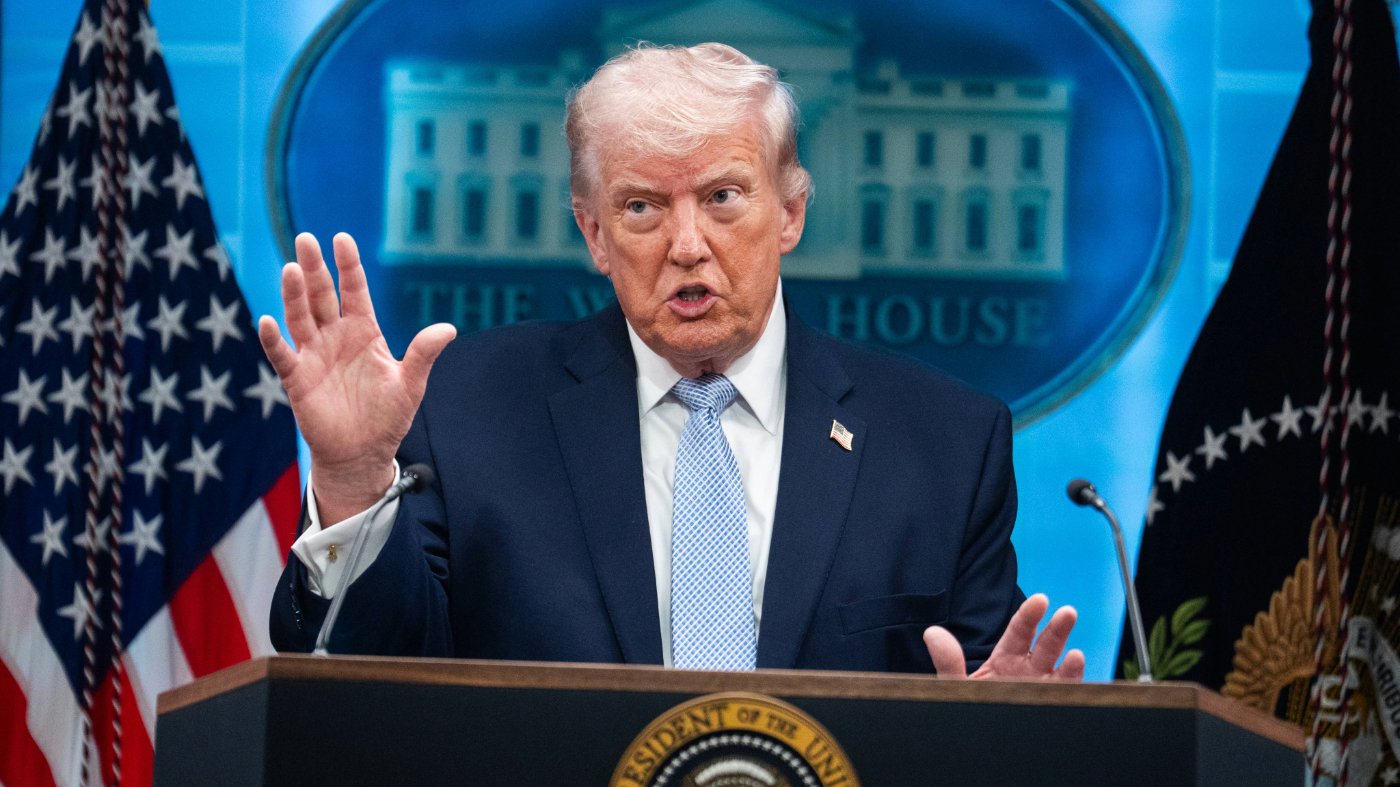
The Trump administration's unilateral military strikes against Iran and subsequent diplomatic broadsides against European allies have created the most significant crisis in transatlantic relations since the Iraq War. President Trump's characterization of NATO as a "paper tiger" and his threats to withdraw from the collective security pact have exposed fundamental disagreements about America's role in the alliance.
Military Action Without Consultation
In late February, the United States joined Israel in launching air strikes against Iranian targets and regional proxies without consulting European NATO partners. The administration cited an "imminent" threat but provided no public evidence to support this claim. The lack of consultation extended beyond allies—President Trump waited 32 days to address the nation about the conflict, leaving both domestic and international audiences confused about strategic objectives.
European leaders responded by denying U.S. warplanes access to NATO bases in their countries for Iran-bound missions. Spanish Prime Minister Pedro Sanchez and Italian Prime Minister Giorgia Meloni, representing both left and right political spectrums, cited NATO's defensive charter and accused Washington of violating international law. This represents an unprecedented refusal of military cooperation among treaty allies during active conflict.
Economic Consequences and Diplomatic Fallout
The administration appeared unprepared for Iran's predictable response: threatening shipping through the Strait of Hormuz. This has triggered global energy market disruptions, with rising fuel costs contributing to inflationary pressures and forcing European nations to seek alternative energy supplies. The economic fallout has further strained diplomatic relations already damaged by years of "America First" policies.
Secretary of State Marco Rubio accused European allies of jeopardizing NATO solidarity, arguing they could have declined participation without denying base access. However, European officials counter that Trump's approach represents a fundamental departure from eight decades of alliance diplomacy built on consultation and shared strategic purpose.
Historical Context of Transatlantic Tensions
Current tensions didn't emerge suddenly. President Trump has consistently criticized European allies for what he characterizes as insufficient defense spending, employing protectionist trade policies that treat democratic partners similarly to authoritarian competitors. His administration's approach to Ukraine has particularly alarmed European capitals, with Trump seeking negotiated settlements favorable to Russian President Vladimir Putin rather than supporting Ukrainian sovereignty.
The rift deepened recently when Vice President JD Vance campaigned for Hungarian Prime Minister Viktor Orbán, whom European leaders view as undermining democratic norms within the EU. Trump's own explanation for his NATO skepticism traces back to European resistance to his attempt to acquire Greenland from Denmark—a revelation that underscores the transactional nature of his foreign policy approach.
Strategic Implications and Political Response
The administration's employment of confrontational rhetoric and unpredictable actions has created what analysts describe as a strategic vacuum in Western leadership. While Trump claims his approach strengthens America's position, the practical effect has been to push European allies toward greater strategic autonomy and skepticism about U.S. security guarantees.
Democratic leaders see an opportunity to contrast their vision of international engagement with Trump's approach. Recent polling shows public support for U.S. alliances at historic highs, suggesting most Americans prefer cooperative diplomacy with democratic partners. Repairing the damage will require more than rhetorical shifts—it will demand concrete policy changes including tariff removal, unequivocal support for Ukraine, and reaffirmation of democratic values.
The transatlantic breach represents perhaps the most significant foreign policy challenge awaiting Trump's successors. While alliances have weathered previous storms, the current crisis stems from fundamental disagreements about America's role in the world and the value of multilateral institutions that have defined international relations since World War II.