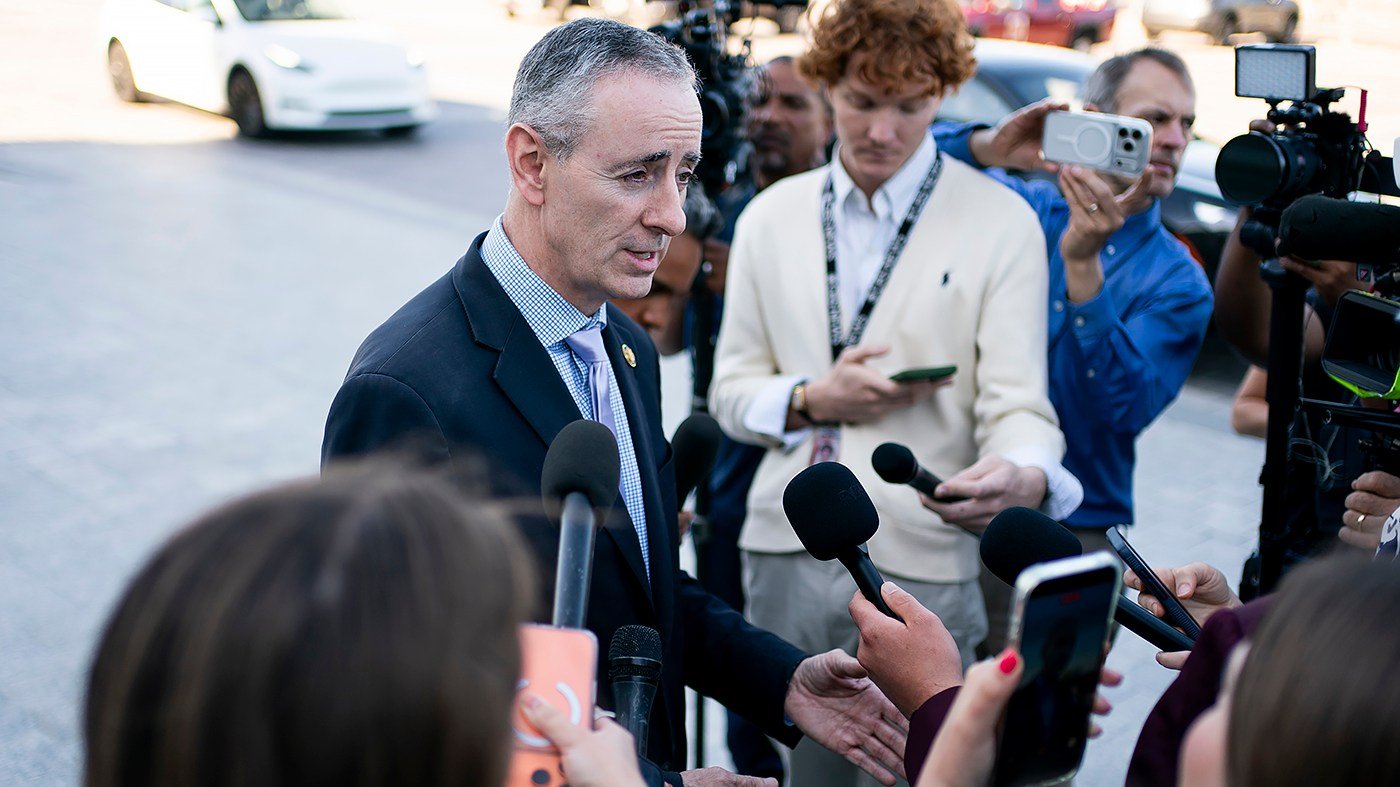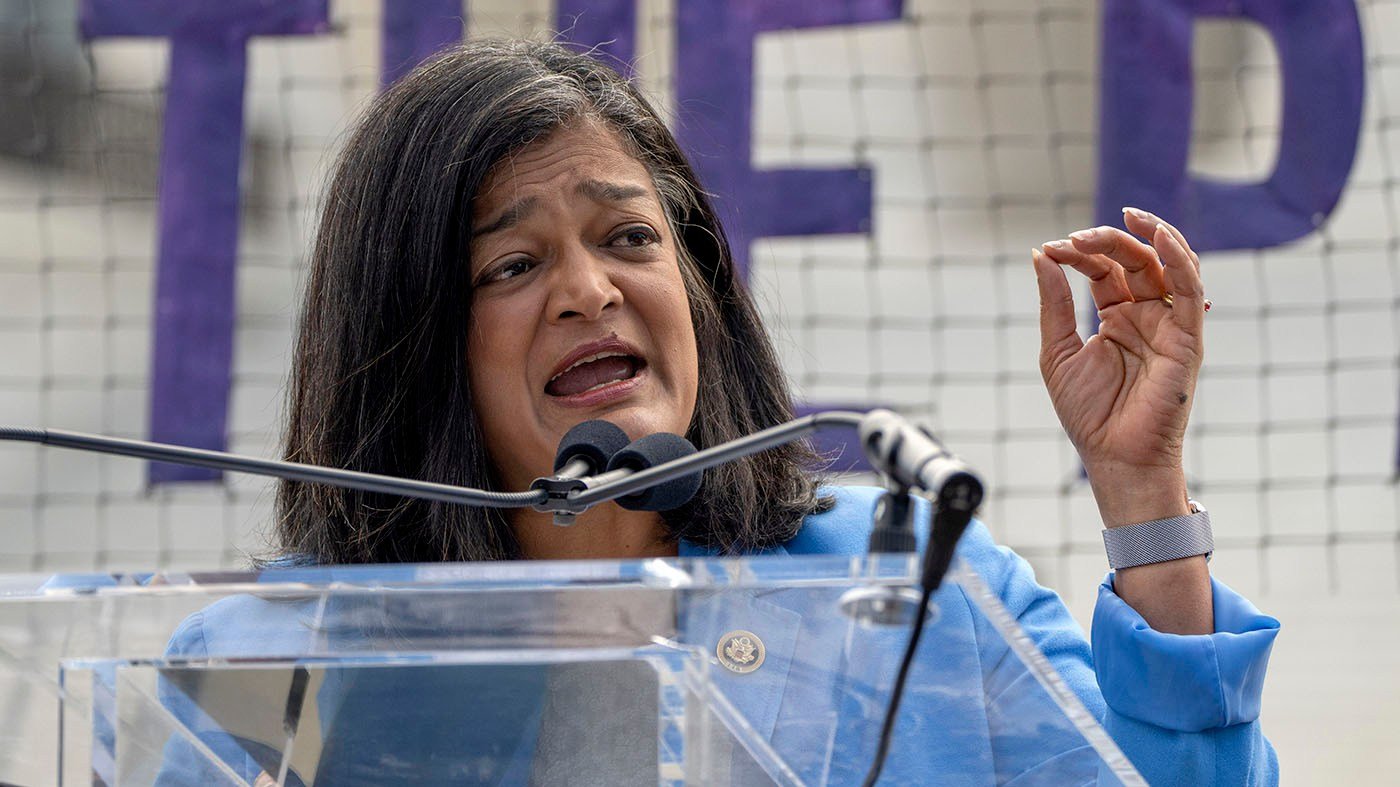
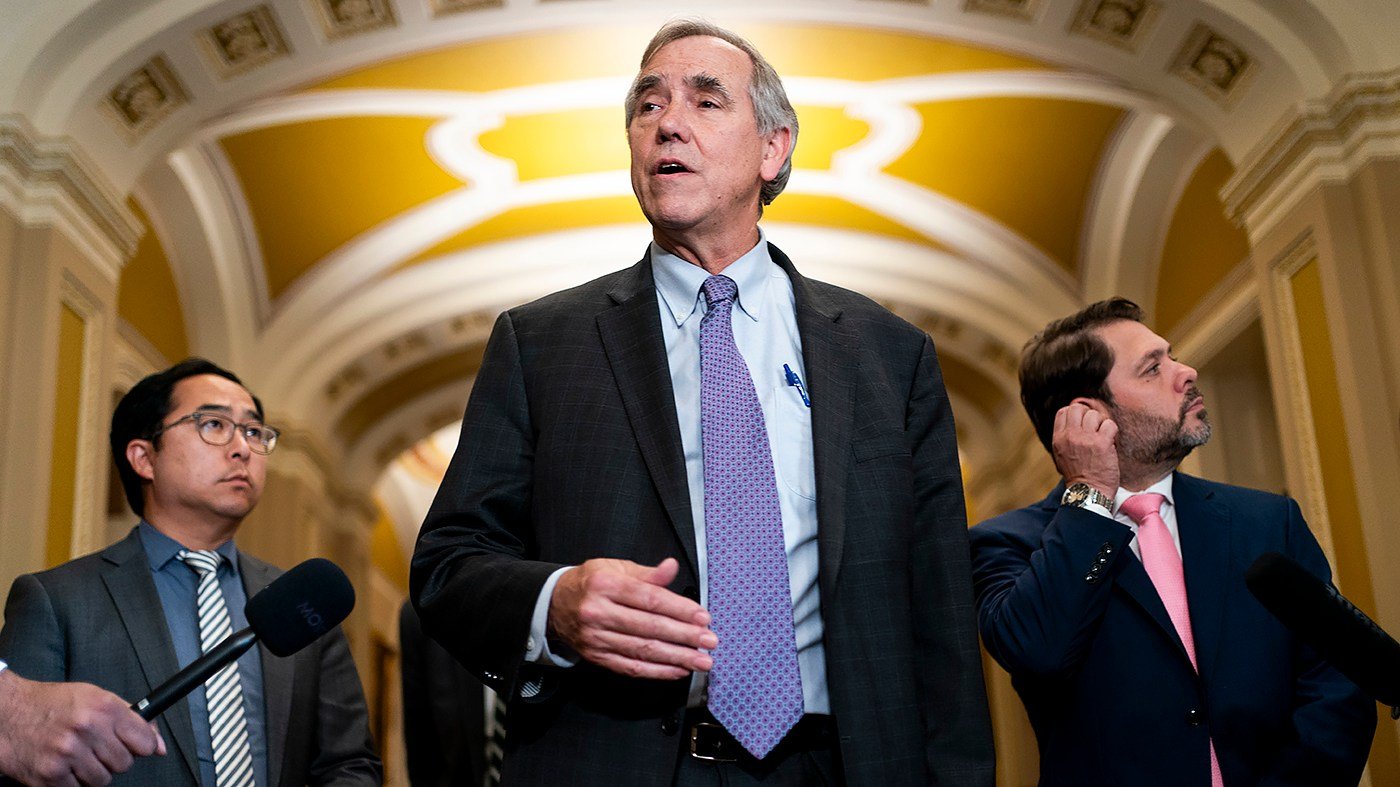
A growing number of Democratic lawmakers are demanding President Trump's removal from office, citing what they describe as reckless and extreme threats made against Iran. The calls for impeachment and invocation of the 25th Amendment have intensified during the congressional recess, with critics labeling the president's rhetoric as dangerously unhinged.
This reaction, however, reflects a fundamental misunderstanding of Trump's political and diplomatic methodology, according to observers familiar with his approach. The president has long operated by presenting maximalist positions to unsettle adversaries before retreating to a more moderate, predetermined goal. His recent social media posts, including one warning that "A whole civilization will die tonight, never to be brought back again" and another containing graphically worded demands directed at Iranian leadership, were designed to terrify and destabilize. Initial reports suggest this pressure may have contributed to Tehran agreeing to a temporary ceasefire in the Strait of Hormuz.
A Deliberate Strategy of Unpredictability
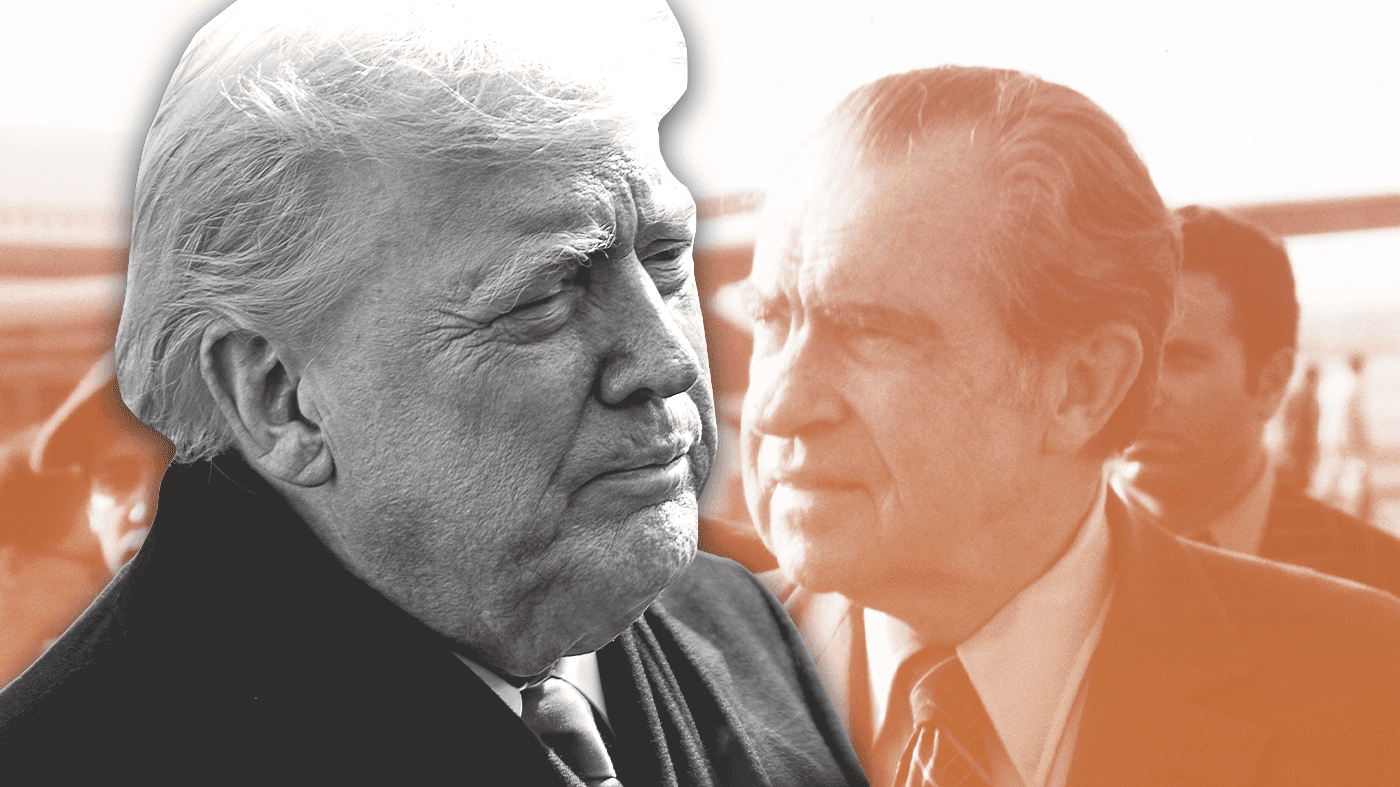
Trump is not pioneering this form of high-stakes brinkmanship. He is consciously walking a path forged by previous commanders-in-chief. The so-called "Madman Theory" is most famously associated with President Richard Nixon, who sought to end the Vietnam War by convincing North Vietnam that he was volatile enough to take drastic, including nuclear, action. Nixon reportedly told his chief of staff, H.R. Haldeman, that he wanted the enemy to believe he was "obsessed" and unrestrainable when angry, with his "hand on the nuclear button." Historical records show U.S. forces, including nuclear units, secretly went on alert in October 1969, a move analysts believe was intended to pressure the Soviet Union to force Hanoi's hand.
Nixon himself was following the example of President Dwight D. Eisenhower, who brought the Korean War to a stalemate's end by secretly communicating to China that he would deploy nuclear weapons against North Korea unless an armistice was signed immediately. As a former supreme military commander, Eisenhower's threat carried immense weight, and a ceasefire followed shortly thereafter.
Trump has meticulously cultivated an aura of unpredictability to similar ends. A defining early example came in 2017 during a dinner with Chinese President Xi Jinping at Mar-a-Lago. Over dessert, Trump informed Xi that the United States had just launched 59 cruise missiles at a Syrian airfield—a stark demonstration of his willingness to act without warning or diplomatic nicety. This calculated shock has been a recurring feature of his foreign policy, from the dramatic extraction of Venezuela's Nicolás Maduro to strikes on Iranian nuclear facilities.
The Political Backlash and Historical Context
The immediate political fallout has been severe. Democratic leaders are actively pushing for impeachment or the 25th Amendment in response to what they see as a profound threat to global stability. Meanwhile, some Democrats have accused Republican colleagues of moral bankruptcy for their silence on the president's "civilization" threat. Despite the fervor, key Democrats acknowledge the House currently lacks the votes to successfully impeach the president.
The effectiveness of such madman diplomacy is historically debated. While it can yield short-term concessions, it carries immense risk of miscalculation and erodes long-term strategic trust. Analyses question the lasting strategic value of this approach, arguing it often stores up greater conflict for the future. Furthermore, the domestic political cost is significant, polarizing the electorate and governing institutions.
It remains unclear whether the ceasefire with Iran will hold or if the regime will abandon its nuclear ambitions. Trump has already accused Iran of violating the initial ceasefire terms, suggesting the fragile situation could deteriorate rapidly. The episode underscores a central tension of the Trump presidency: a disruptive, action-oriented style that defies conventional diplomacy, modeled on historical precedents of calculated madness, operating within a hyper-charged domestic political environment where every threat is met with immediate calls for his ouster.