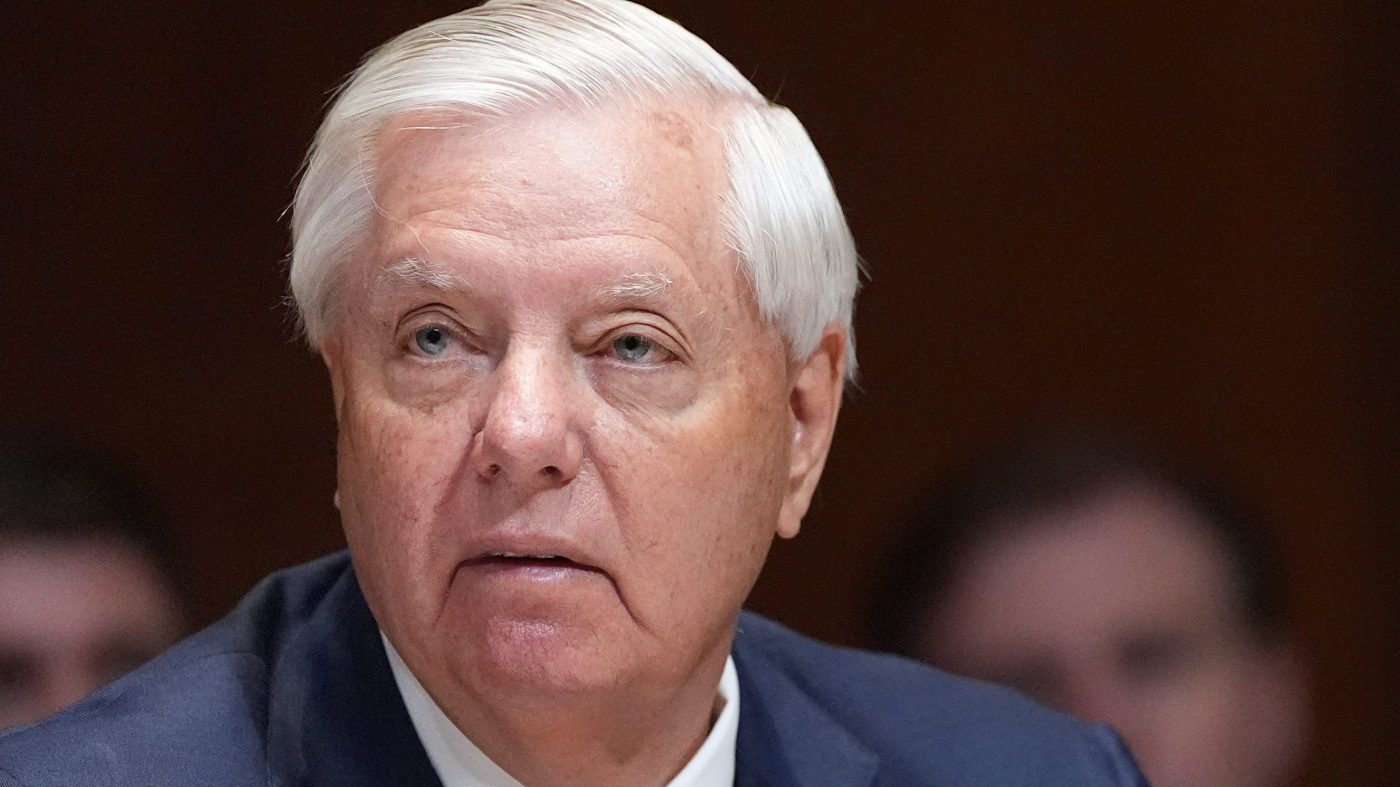
Sen. Lindsey Graham (R-S.C.) threw his support behind President Trump's initiative to bring Saudi Arabia, Qatar, and other Gulf nations into the Abraham Accords, framing the move as a strategic masterstroke as Washington negotiates with Tehran. In a Monday post on X, Graham described the expansion as “simply brilliant,” predicting it would trigger “the most significant change in the Middle East in thousands of years.”
Graham, a key Republican voice on foreign policy, argued that including Saudi Arabia and even Pakistan in the normalization agreements with Israel would transform the region’s trajectory. “With Saudi Arabia and others like Pakistan making peace with Israel, the region will know a level of stability never dreamed of before President Trump,” he wrote. The senator added that such integration could turn the Middle East from “a powder keg” into “a powerhouse for economic opportunity and good.”
The endorsement comes as Trump urges Gulf allies to join the Accords, originally brokered in 2020 to normalize ties between Israel and its neighbors. The president, speaking ahead of a Memorial Day ceremony in Washington, framed the expansion as a necessary condition for any broader deal with Iran. “I stated that, after all the work done by the United States to try and pull this very complex puzzle together, it should be mandatory that all of these Countries, at a minimum, simultaneously, sign onto the Abraham Accords,” Trump said, referring to ongoing negotiations to end hostilities with Iran.
Iran Deal Talks Gain Momentum
The push for Gulf state participation coincides with reports that the U.S. and Iran are nearing an agreement to extend a ceasefire and reopen the Strait of Hormuz. The potential pact also addresses Tehran’s nuclear program and could include sanctions relief, though both sides caution that talks remain fluid. Trump took to Truth Social to characterize the negotiations as “proceeding nicely,” but warned that any deal must be “a Great Deal for all or, no Deal at all — Back to the Battlefront and shooting.”
Trump also revealed conversations over the weekend with leaders from Saudi Arabia, Qatar, Pakistan, Egypt, Jordan, Turkey, Bahrain, and the United Arab Emirates. The latter two have already signed onto the Abraham Accords. The president emphasized that most of these nations should be “ready, willing, and able to make this Settlement with Iran a far more Historic Event than it would, otherwise, be.”
Graham’s Shift and GOP Skepticism
Graham’s enthusiastic backing of the Accords expansion stands in contrast to his stance just days earlier. On Saturday, the senator warned Trump against rushing into a deal with Iran, cautioning that it could tilt the balance of power in Tehran’s favor and become “a nightmare for Israel” over time. Trump, however, defended the emerging pact on Monday, pushing back against Republican critics without naming Graham directly.
The president said Sunday that he had instructed U.S. officials “not to rush into a deal,” a move that may have been aimed at assuaging concerns within his own party. The internal GOP tension mirrors broader debates over the Iran negotiations, with some conservatives warning of an “economic bailout” of the regime, as outlined by the Wall Street Journal’s editorial board.
For now, Graham is betting that expanding the Abraham Accords alongside an Iran deal will produce a durable regional realignment. “I expect our Arab allies to embrace this, as well as our friends in Israel,” he wrote. “Failure is not an option — which would be a correct analysis.”