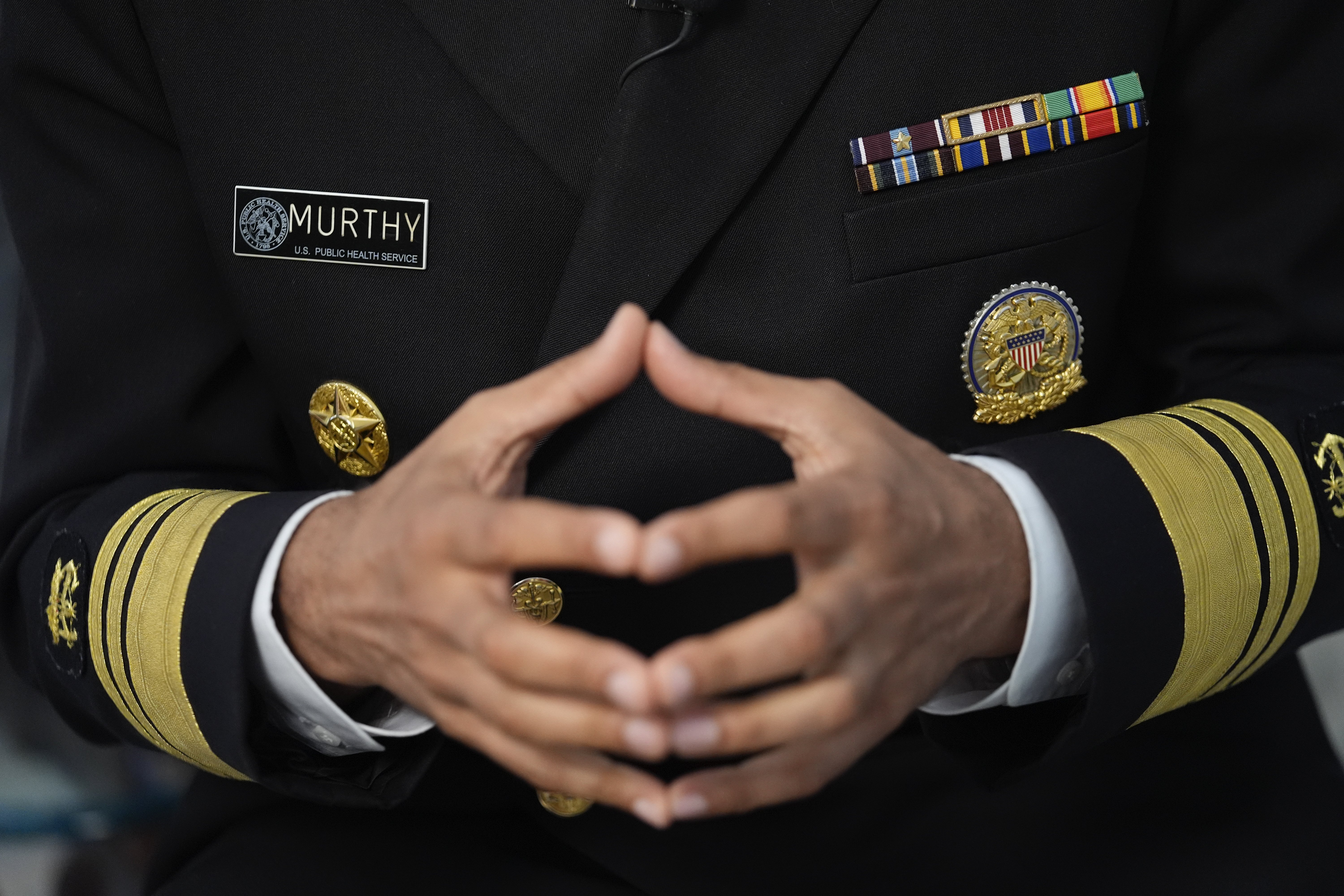
For over two centuries, the United States has understood that public health is a pillar of national strength. This principle dates to 1798, when President John Adams signed legislation creating what became the U.S. Public Health Service, initially to care for sick seamen. The service evolved into the Public Health Service Commissioned Corps, one of eight uniformed services, tasked with protecting American health and security.
Historically, leadership within this corps followed a clear meritocracy, similar to the Army, Navy, and Air Force. Surgeons general were promoted from within the ranks, earning their authority through years of uniformed service, operational experience, and progressively greater responsibility. Their credibility was built over time, not granted by appointment alone.
In recent decades, however, the selection process has shifted. It has become common to appoint leaders from outside the career Public Health Service, then rapidly commission them into senior flag officer roles to meet statutory requirements. While legally permissible, this practice breaks from the tradition of merit-based progression that the American people have long trusted, argues Dr. Richard Carmona, a former surgeon general and decorated combat veteran of the U.S. Army special forces.
This isn't about any single nominee, Carmona stresses. It's a systemic concern about the integrity of a process that has drifted from its foundational principles. Bypassing earned advancement carries several consequences: it demoralizes the thousands of dedicated officers who have committed their careers to uniformed service, many of whom have the experience needed for the top job.
It also erodes public confidence in the office itself. The surgeon general is not a symbolic figure; the role requires clear communication of science, leadership during crises, and the authority to issue urgent public health calls to action. That credibility is built over time, through demonstrated leadership and trust.
Most critically, Carmona warns, this introduces risk into a system that must be prepared for pandemics, natural disasters, bioterrorism, and emerging global health threats. Public health leadership is operational, not theoretical. It demands experience at scale, decision-making under uncertainty, and the ability to lead complex, multidisciplinary responses. As health threats grow more complex, the consequences of leadership gaps are measured in lives and national resilience.
In every other uniformed service, advancement to senior leadership reflects a career of sustained performance and sacrifice. The Public Health Service should be no exception. We wouldn't appoint a civilian directly to three-star rank in the Army without a lifetime of service, Carmona notes. Why accept a different standard for the Public Health Service?
This isn't about closing the door to outside expertise, but about ensuring that leadership of a uniformed service reflects the same standards of merit and earned authority expected of all who wear the uniform. At a time when public trust in institutions is fragile, the foundations of leadership should be strengthened, not weakened.
The solution is a reaffirmation of principle: recommit to a process grounded in merit, readiness, and accountability. Because when the next crisis comes—and it will—the public deserves to know that those standing watch have been prepared over a lifetime of service.