New federal data reveals a significant acceleration in U.S. inflation, with consumer prices climbing 3.3% over the past year and 0.9% in March alone. The Bureau of Labor Statistics report, released Friday, marks the highest annual inflation rate in nearly four years, driven overwhelmingly by surging energy prices connected to military operations in the Middle East.
Energy Costs Skyrocket
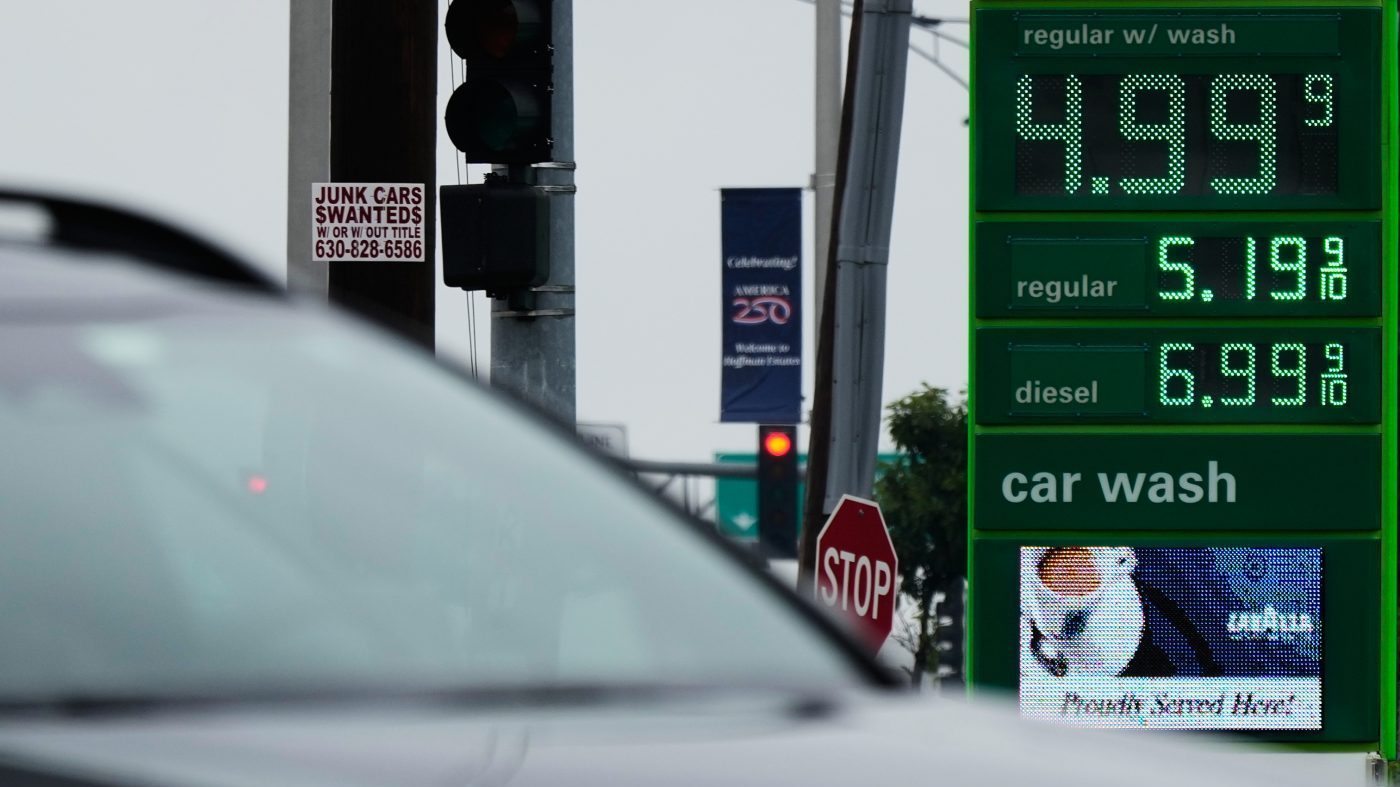
The core driver of the inflationary spike was a staggering 10.9% monthly increase in overall energy costs. The data shows specific commodities soaring: fuel oil prices jumped 30.7%, gasoline rose 21.2%, and energy commodities broadly increased 21.3% in March. This surge directly coincided with the launch of joint U.S.-Israeli strikes on Iranian targets in late February and subsequent Iranian counterstrikes that disrupted global oil flows.

The conflict's impact on global markets was immediate and severe. Iranian actions effectively halted oil shipments through the Strait of Hormuz, a chokepoint for roughly one-fifth of global consumption. This blockade created a backlog of tankers and sent benchmark crude oil prices soaring above $100 per barrel. The ripple effect was felt acutely at American pumps, where the national average price for a gallon of gasoline reached $4 by the end of March.
Conflict Context and Ceasefire Uncertainty
The price shock stems directly from the military escalation, which has highlighted the strategic vulnerability of global energy supply chains. While President Trump announced a temporary ceasefire with Tehran this week, the agreement remains fragile. Continued Iranian strikes on neighboring Gulf states and Israeli operations in Lebanon threaten to unravel the deal and reignite the price volatility that has rattled markets.
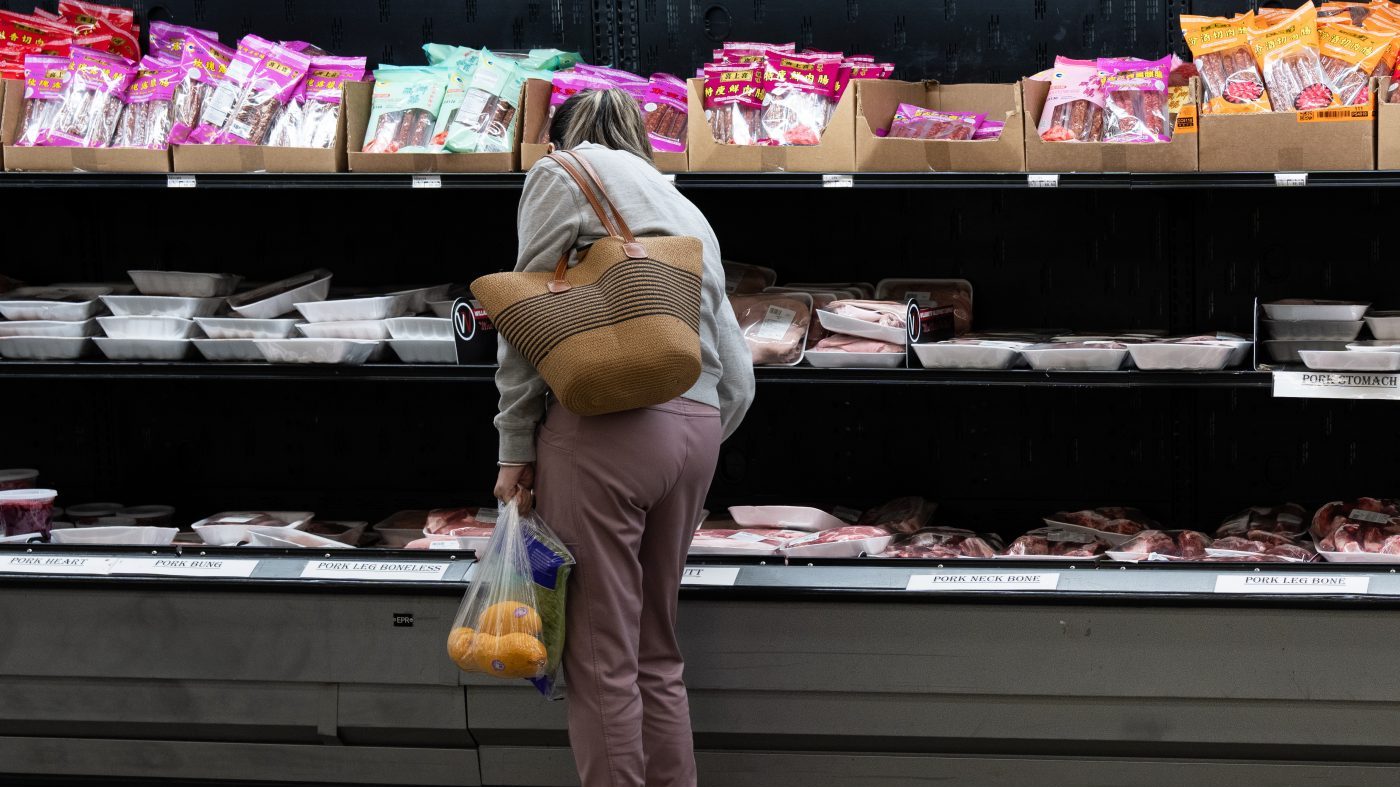
Stripping out the volatile energy and food categories reveals a more muted inflationary picture. The core inflation rate increased just 0.2% for the month, bringing the annual increase to 2.6%. This disparity underscores how the conflict has specifically targeted energy infrastructure and logistics, creating a concentrated price shock. The situation has made fuel costs a paramount concern for consumers, a fact underscored by a recent Pew survey showing 70% of Americans cite them as a top worry.
White House Response
The White House downplayed the inflation report on Friday, framing the energy price surge as a temporary disruption. "President Trump has always been clear about short-term disruptions as a result of Operation Epic Fury, disruptions that the Administration has been diligently working to mitigate," stated White House Spokesperson Kush Desai. "Although gas and energy prices are seeing volatility, prices of eggs, beef, prescription drugs, dairy, and other household essentials are falling or remain stable thanks to President Trump's policies."
Desai further defended the administration's economic record, adding, "As the Administration ensures the free flow of energy through the Strait of Hormuz, the American economy remains on a solid trajectory thanks to the Administration's robust supply-side agenda of tax cuts, deregulation, and energy abundance." This stance comes as the administration faces broader scrutiny over the war's economic impact, with figures like JPMorgan Chase CEO Jamie Dimon warning the conflict could trigger a recession through sustained inflation and interest rate hikes.
The geopolitical ramifications continue to unfold, with NATO allies grappling with the dual crises of the conflict and alliance cohesion. This was a key topic during Dutch Prime Minister Mark Rutte's recent meeting with President Trump. Meanwhile, the domestic political consequences are coming into focus, as the combination of war costs and economic pressure begins to shape the landscape for the upcoming midterm elections.
The March inflation data provides a clear, quantitative measure of how a distant conflict translates into immediate financial pressure for American households. With energy markets remaining tightly linked to security developments in the Gulf, the path of inflation in the coming months appears inextricably tied to the durability of the ceasefire and the resolution of the broader confrontation.