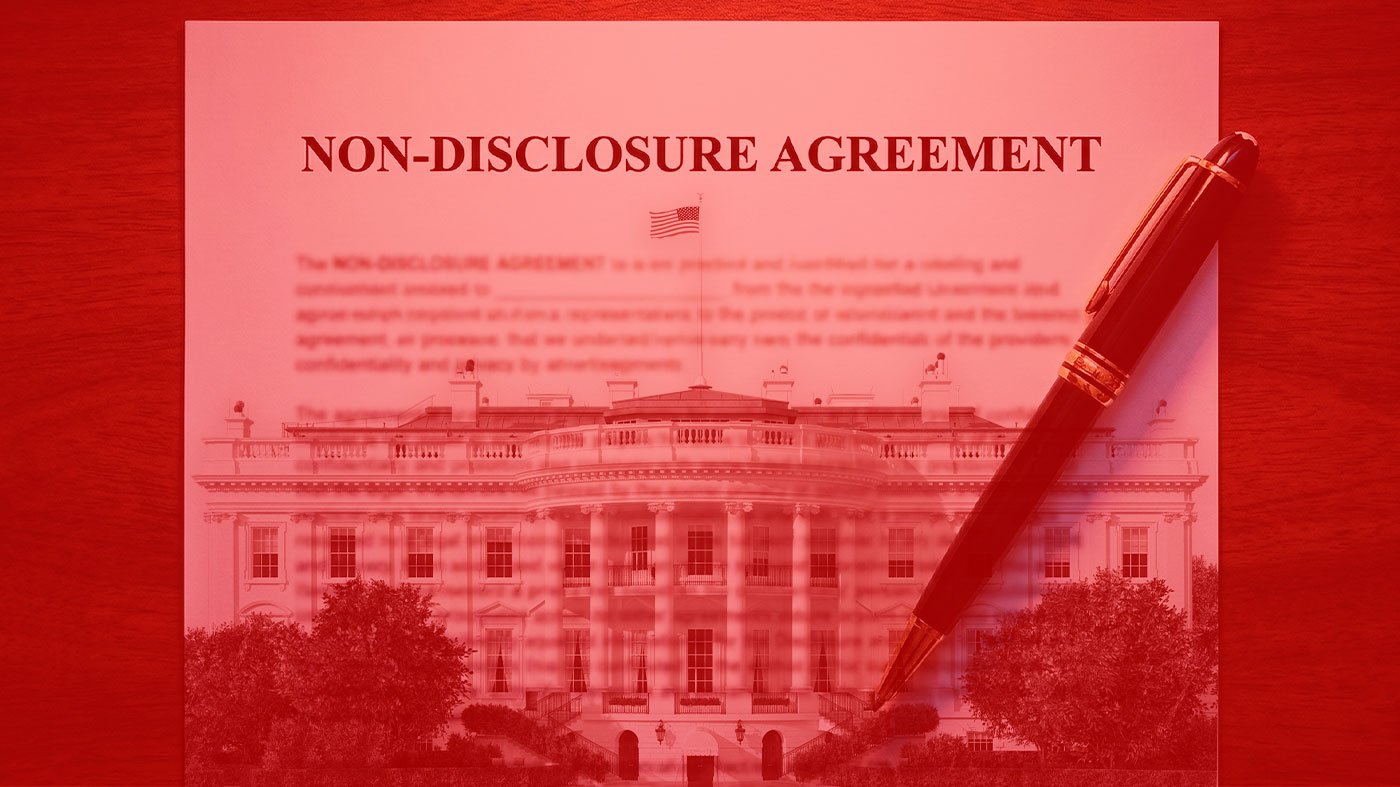
The Trump administration is pushing to require federal workers to sign nondisclosure agreements (NDAs), a move that critics say is designed to silence government employees and quash leaks to the press. The Office of Personnel Management (OPM) unveiled the proposal Tuesday, targeting both new hires and current staff, and warning that violations—or refusal to sign—could lead to termination.
OPM Director Scott Kupor defended the plan as a standard response to what he called “major leaks,” but the rollout has sparked a wave of condemnation from unions, press freedom groups, and whistleblower advocates. They argue the NDAs are part of a broader effort to intimidate federal employees and replace them with political loyalists. The proposal comes as the administration has also sought to create a new class of at-will federal workers and introduced essay questions for job applicants about Trump policies they admire.
First Amendment Concerns
Legal experts question whether the NDAs can withstand constitutional scrutiny. Jessica Levinson, a constitutional law professor at Loyola Law School, noted that while private employers can restrict employee speech, the government as an employer is bound by the First Amendment. “You can absolutely style a legal and constitutional NDA, and you can absolutely style a wildly illegal and unconstitutional NDA,” she said. The key, she added, is ensuring that any agreement still allows public employees to engage in protected speech.
Federal workers already face restrictions on sharing classified information, with stiff criminal penalties for leakers. But the proposed rule goes further, barring the disclosure of “non-public, confidential, or proprietary information” and any details of internal government deliberations. Critics warn this could chill whistleblowing and shield misconduct from public view.
Union and Advocacy Pushback
The American Federation of Government Employees (AFGE), the largest federal worker union, condemned the plan. AFGE President Everett Kelley said in a statement: “OPM continues its efforts to silence federal employees. This proposed NDA is another attempt by the administration to purge the civil service of nonpartisan career employees and replace them with loyalists who won’t speak out against waste, fraud, and abuse.” He added that existing policies already cover classified leaks, and the new rule “sweeps in an extraordinarily broad category of information.”
David Kligerman of Whistleblower Aid, a nonprofit law firm, echoed those concerns. “Taken alone, today’s proposed rule may seem relatively harmless, but taken in context, it is a significant move toward building a federal workforce loyal to the President above all else,” he said. He warned that the administration could use the NDA to retaliate against lawful whistleblowers by simply claiming they violated the agreement.
Leaks and Transparency Claims
The OPM specifically cited leaks to The New York Times and The Washington Post about the U.S. raid to capture former Venezuelan President Nicolás Maduro in January, arguing those disclosures endangered military personnel. But press advocates see irony in the move from an administration that has called itself “the most transparent administration in history.” The Freedom of the Press Foundation criticized the proposal as an attack on press freedom.
The push for NDAs is the latest in a series of actions targeting federal employees under Trump. The president has frequently railed against the “Deep State” and worked to undermine career civil servants. Critics say the NDA proposal fits a pattern of executive overreach that prioritizes loyalty over competence.
The proposal is now open for public comment, but unions and advocates are already mobilizing to block it. As the debate unfolds, the fundamental question remains: can the government impose gag orders on its own employees without violating the Constitution?