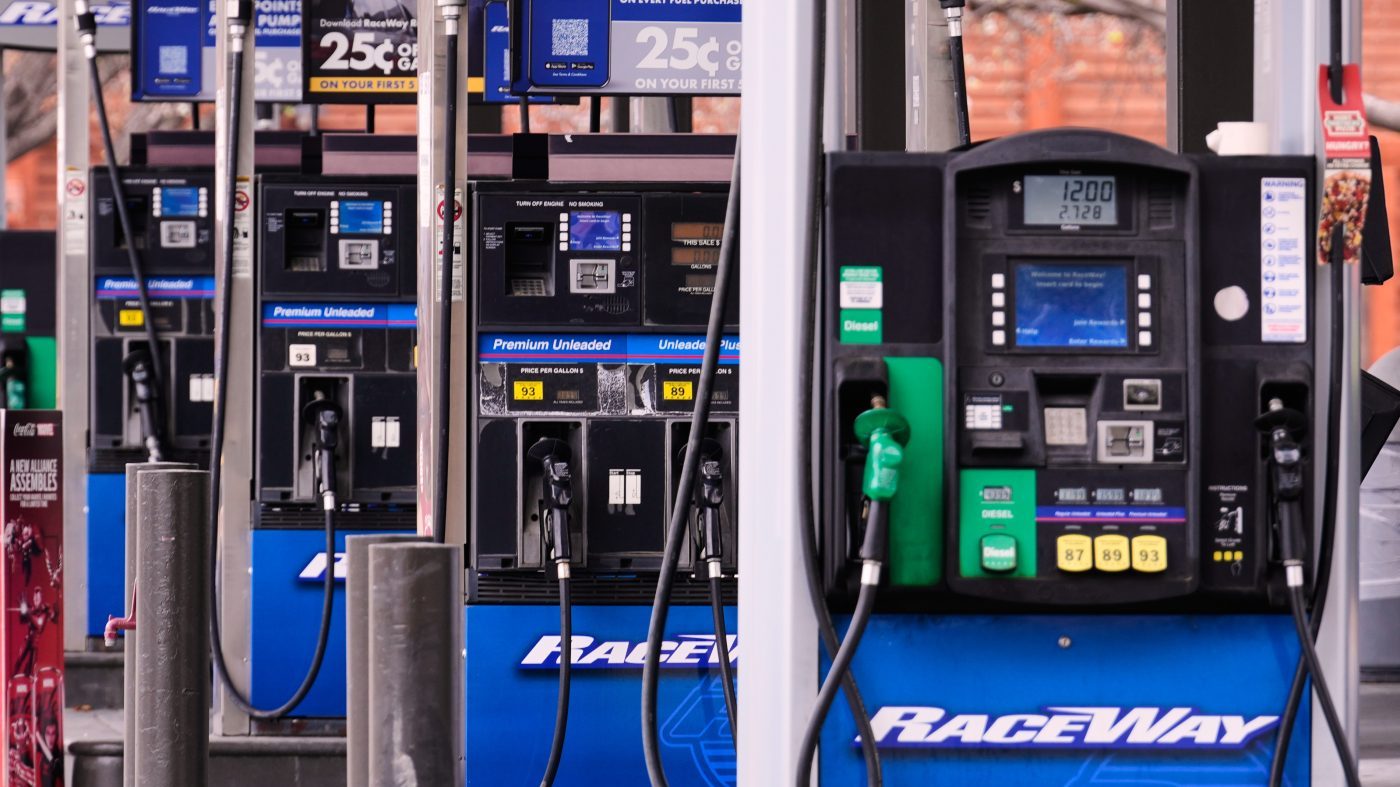
As the joint U.S. and Israeli military campaign against Iran enters its sixth week, a new national survey indicates the economic repercussions, particularly soaring fuel prices, have become a dominant concern for the American public. Research released Tuesday by the Pew Research Center shows that 70% of U.S. adults report being concerned about heightened gasoline prices resulting from the conflict, with 45% describing themselves as "extremely" concerned and another 24% as "very" concerned.
The financial anxiety is grounded in stark market data. According to AAA, the national average price for a gallon of regular gasoline reached $4.14 on Tuesday, marking a 27% increase from the same time last year and a 21% surge over the past month. This sharp rise at the pump is directly tied to volatility in global crude oil markets, where prices have skyrocketed due to supply chain disruptions.
A primary catalyst has been the effective closure of the Strait of Hormuz, a critical maritime chokepoint, following retaliatory Iranian strikes in the Gulf. This blockade has severely constrained global oil shipments, creating shortages that have driven prices upward. The situation intensified this week following a Pentagon strike on Iran's Kharg Island, which houses the majority of the nation's crude oil reserves. In response, international benchmark Brent crude oil climbed to $107 per barrel, while West Texas Intermediate crude traded at $112 per barrel.
Broader Conflict Concerns and a Looming Deadline
While economic pressure tops the list, the Pew survey found Americans harbor significant anxieties about broader military escalation. Respondents identified the potential for a U.S. ground invasion of Iran, casualties among American service members, and the risk of terrorist attacks on the homeland as their foremost worries stemming from the ongoing hostilities.
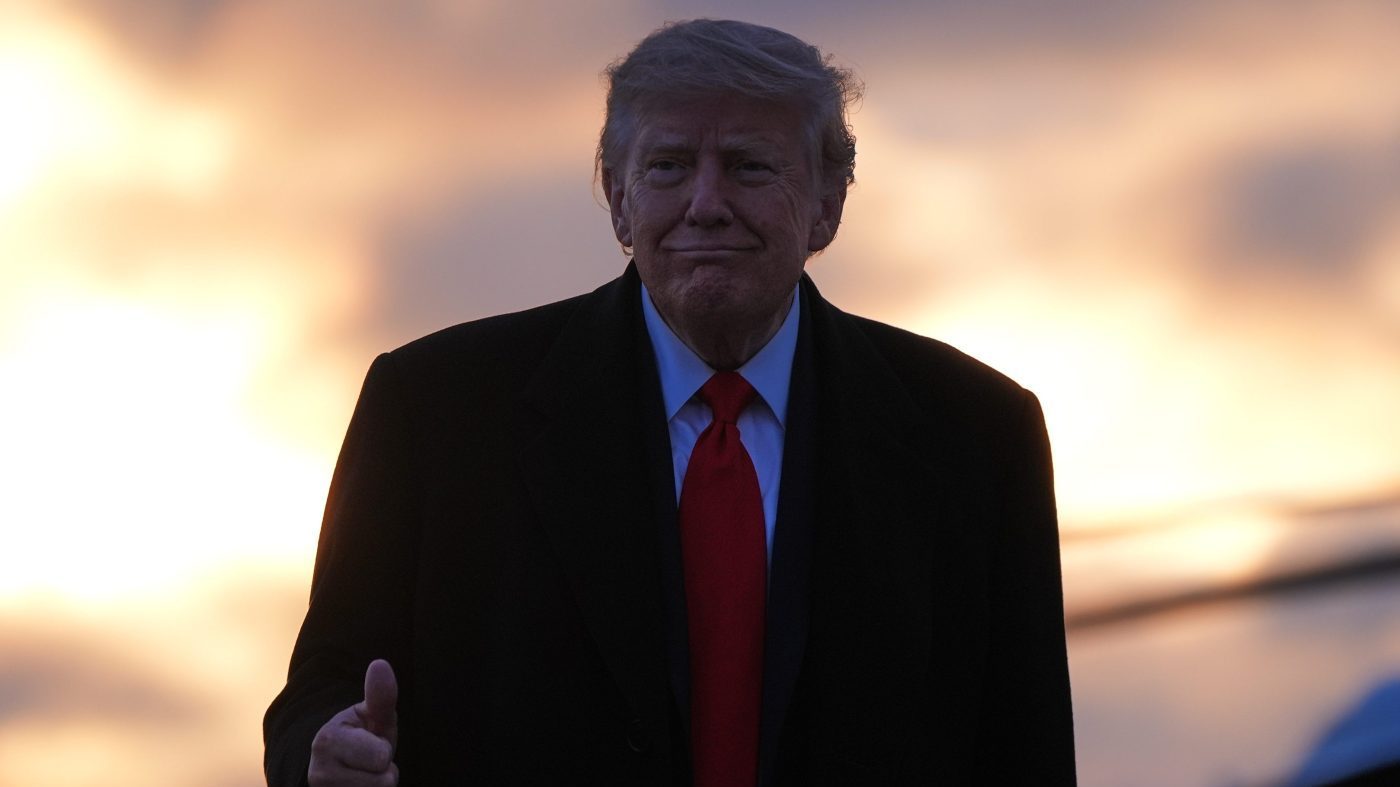
The geopolitical climate remains tense as markets and observers await the outcome of a deadline set by President Trump. On Tuesday morning, the President issued an ominous ultimatum, warning that a "whole civilization will die tonight, never to be brought back again" if Iran's leadership fails to meet his administration's demands by 8 p.m. EDT. This follows recent statements from the President dismissing concerns over potential war crimes related to threatened strikes on civilian infrastructure.
Ripple Effects Across the Economy
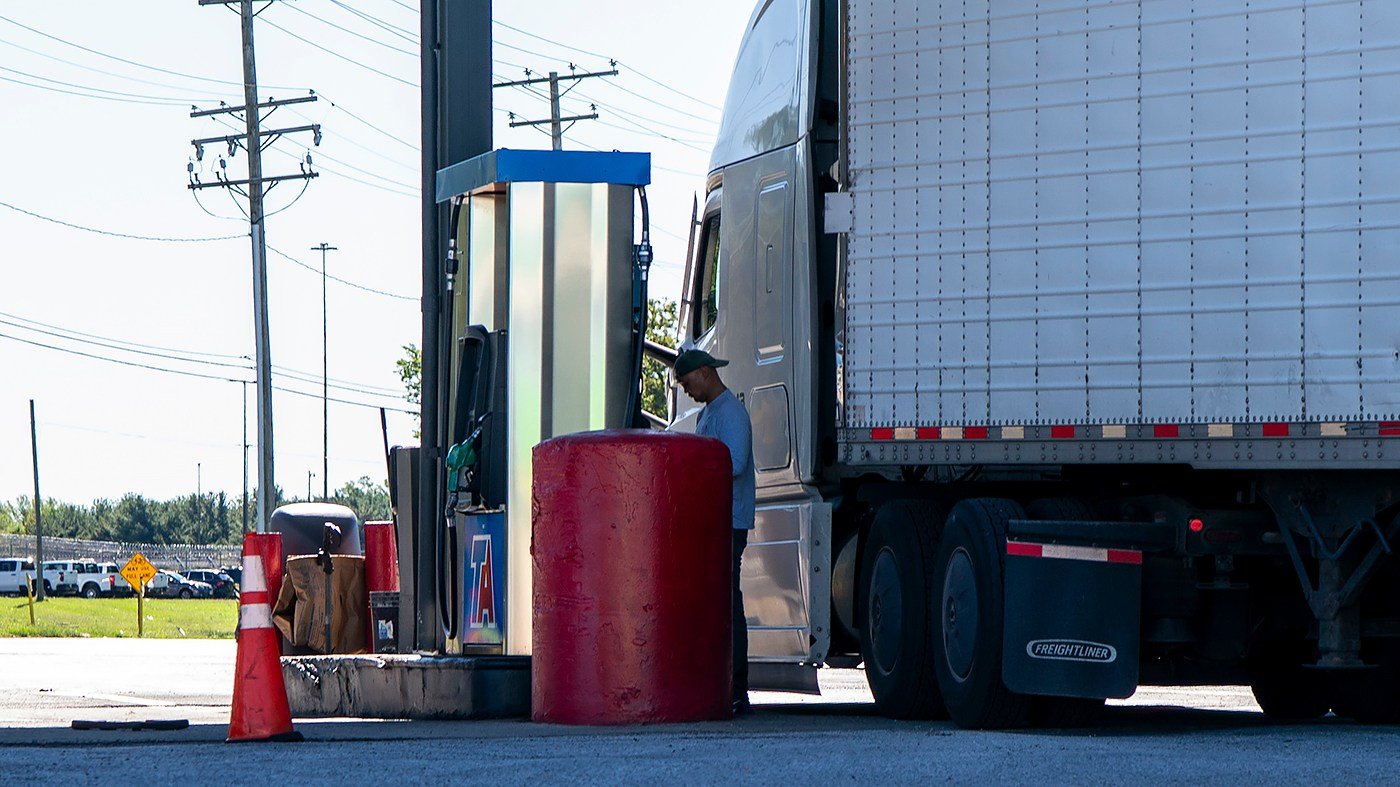
The energy market shock is creating secondary effects throughout the economy. The aviation sector, for instance, is grappling with a parallel crisis as airlines slash flights and hike fares in response to soaring jet fuel prices. The strain on diesel supplies has also become acute, with six states hitting record diesel prices as the national average nears historic highs.
Iran's strategy of leveraging the Strait of Hormuz as an economic weapon continues to test international resolve. Analysts note that this 'toll' strategy on global shipping is a central challenge for the Trump administration as it seeks an exit from the expanding conflict while managing domestic political pressure over costs.
The Pew survey, which polled 3,507 U.S. adults between March 23 and 29, carries a margin of error of approximately 1.9 percentage points. It reveals a nation focused on the immediate economic impact of a foreign war, even as its military and political leaders navigate a high-stakes confrontation with time running out.