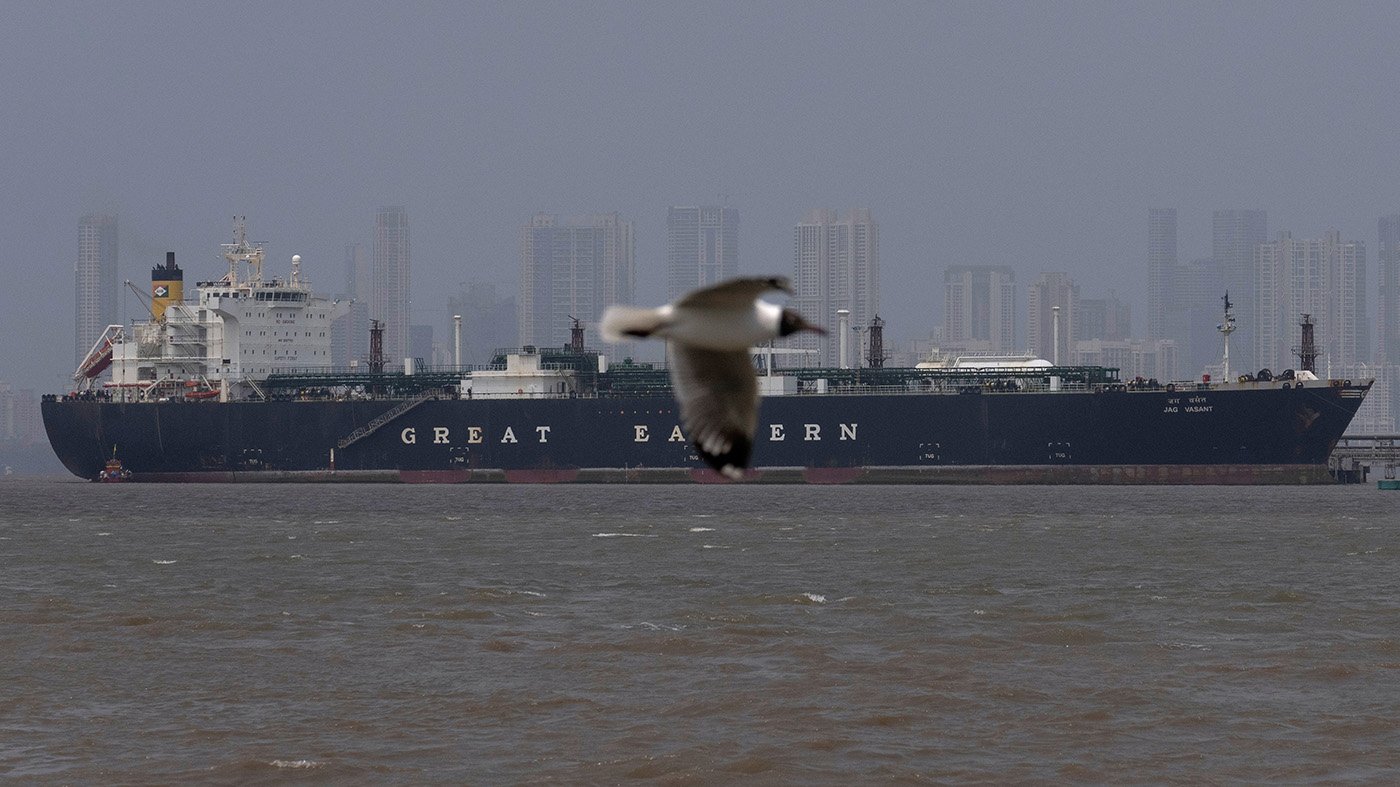
Iran is capitalizing on its strategic control of the Strait of Hormuz, complicating President Trump's efforts to define an exit from the ongoing conflict. Tehran's forces are reportedly implementing a selective "toll booth" system, allowing friendly vessels passage while exerting pressure on global oil flows. This move directly challenges U.S. influence and underscores the economic weaponization of the world's most critical oil transit corridor.
Trump's Dismissal Fails to Soothe Markets
In a national address, President Trump sought to minimize the strait's significance to the United States, stating, "The United States imports almost no oil through the Hormuz Strait and won't be taking any in the future. We don't need it." He shifted responsibility to allies, urging countries dependent on Middle Eastern oil to "take care" of the situation and "take the lead in protecting the oil that they so desperately depend on."
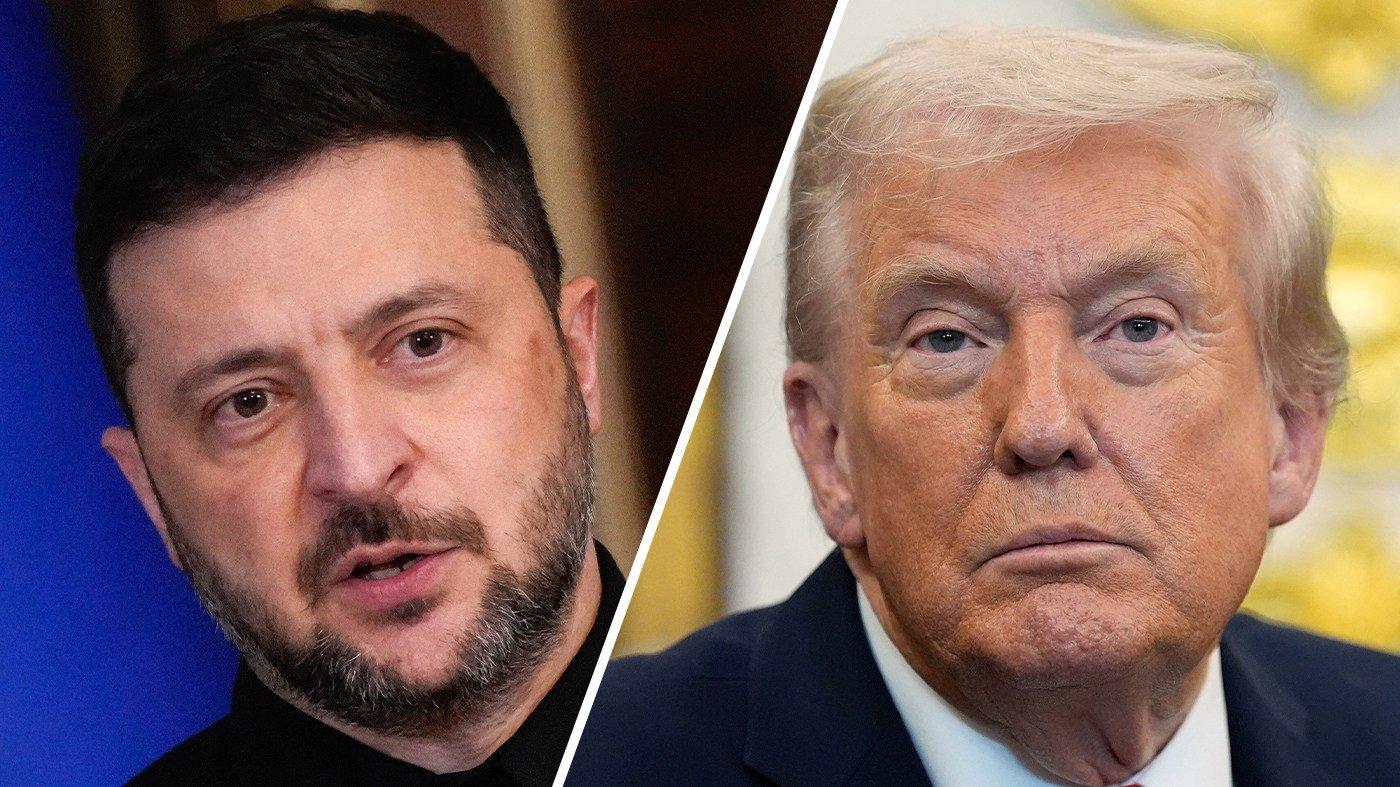
However, the speech had the opposite of its intended effect. Markets reacted negatively to the lack of a clear de-escalation plan, causing U.S. benchmark West Texas Intermediate crude to jump from approximately $98 to nearly $112 per barrel. Analysts interpreted the remarks as a sign the administration lacks a viable strategy to reopen the strait, dashing hopes for a near-term resolution. This sentiment was echoed by figures like former National Security Advisor John Bolton, who has criticized the administration's shifting timelines as a sign of strategic weakness.
Economic and Political Fallout Mounts
The immediate consequence is soaring energy costs for American consumers. The national average for gasoline reached $4.08 per gallon following the speech, with analysts predicting further increases. Tom Kloza, chief oil analyst for Gulf Oil, noted widespread disappointment, saying, "I think people were looking for at least an end date... They were expecting some sort of mention of an off-ramp, and there was not." He warned gasoline could soon hit $4.20 to $4.50 per gallon.
Patrick De Haan of GasBuddy projected price hikes of 15 to 35 cents per gallon unless the administration changes course, adding that diesel is poised to reach record levels. These rising costs amplify political pressure on Trump, whose handling of the Iran war is already unpopular in polls. The surge at the pump threatens to become a dominant issue ahead of the midterm elections, exacerbating Republican anxieties.
A Strategic Stalemate with Global Repercussions
While the U.S. may not directly import significant oil via Hormuz, oil is a global commodity. Iran's leverage over roughly 20% of the world's seaborne oil supply means disruption there impacts prices everywhere. The administration's mixed signals—claiming Iran requested a ceasefire one day and suggesting the conflict could last weeks the next—contribute to market volatility and strategic uncertainty. Trump has previously characterized Iranian ceasefire overtures as 'significant' but insufficient, leaving the diplomatic path unclear.
In his address, Trump framed the conflict as a necessary long-term investment, stating, "This is a true investment in your children's and your grandchildren's future." Yet, the immediate economic pain contradicts this narrative, creating a gap between rhetoric and reality for voters. The situation illustrates how Iran can withhold diplomatic progress to maximize leverage over critical assets like the Strait of Hormuz.
With both sides entrenched, the path to reopening the vital waterway remains opaque. The White House has offered no concrete plan to restore oil flows, while Iran continues to flex its geographic advantage. As Kloza concluded, the crisis "will continue to be a headline on virtually every day," ensuring that the economic and political costs of the standoff will only intensify in the coming weeks.