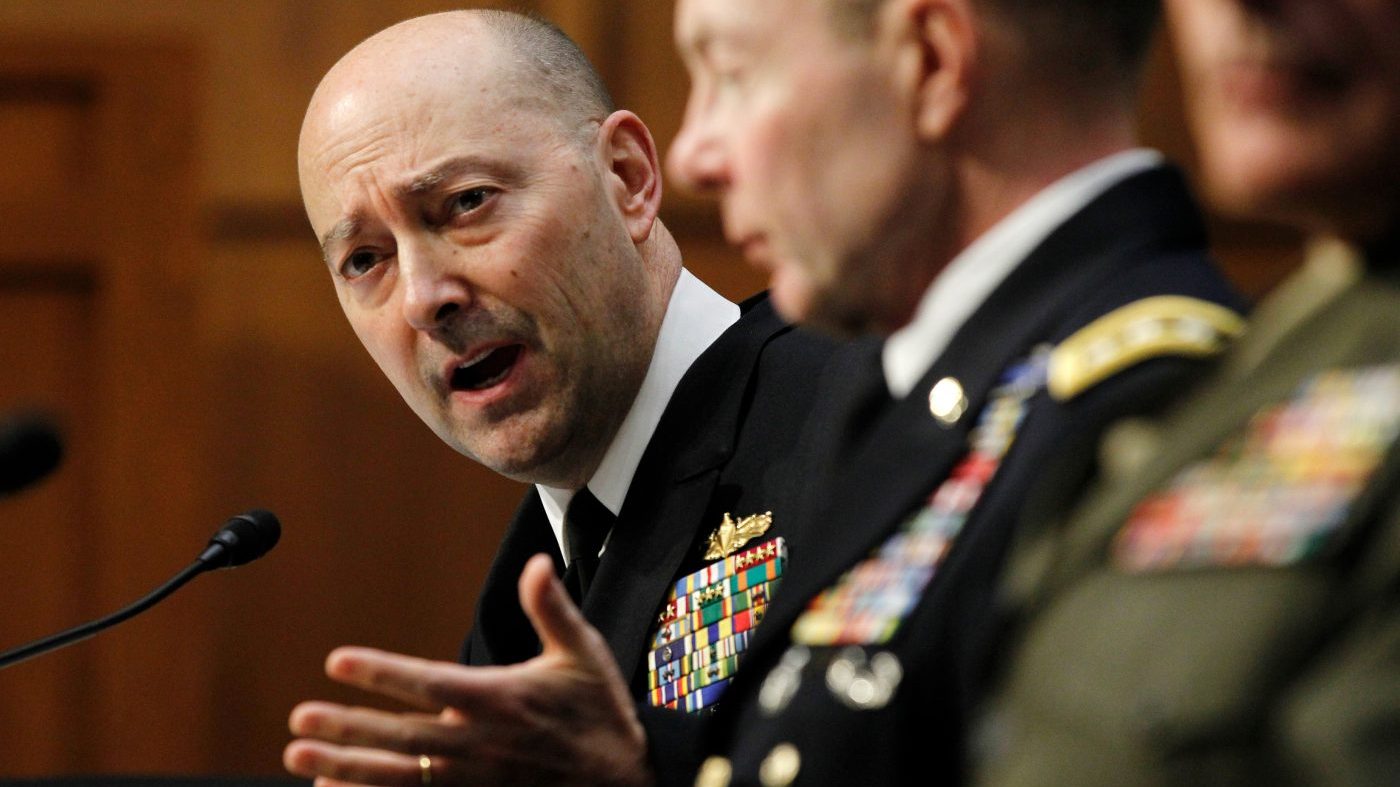
Former NATO Supreme Allied Commander James Stavridis stated Monday that Iran's rejection of a current ceasefire proposal stems from its retention of significant strategic leverage. Appearing on CNN, Stavridis argued Tehran is deliberately holding back its "high-value cards" to maintain negotiating power, primarily its ability to close the vital Strait of Hormuz and its possession of nearly 1,000 pounds of enriched uranium.
Strategic Chokepoint and Nuclear Leverage
Stavridis emphasized that Iran's control over the Strait of Hormuz represents a paramount strategic asset. The waterway's closure has already triggered a spike in global energy prices and disrupted oil shipments, demonstrating Tehran's capacity to inflict immediate economic pain. This move has directly provoked a sharp escalation in rhetoric from the White House.
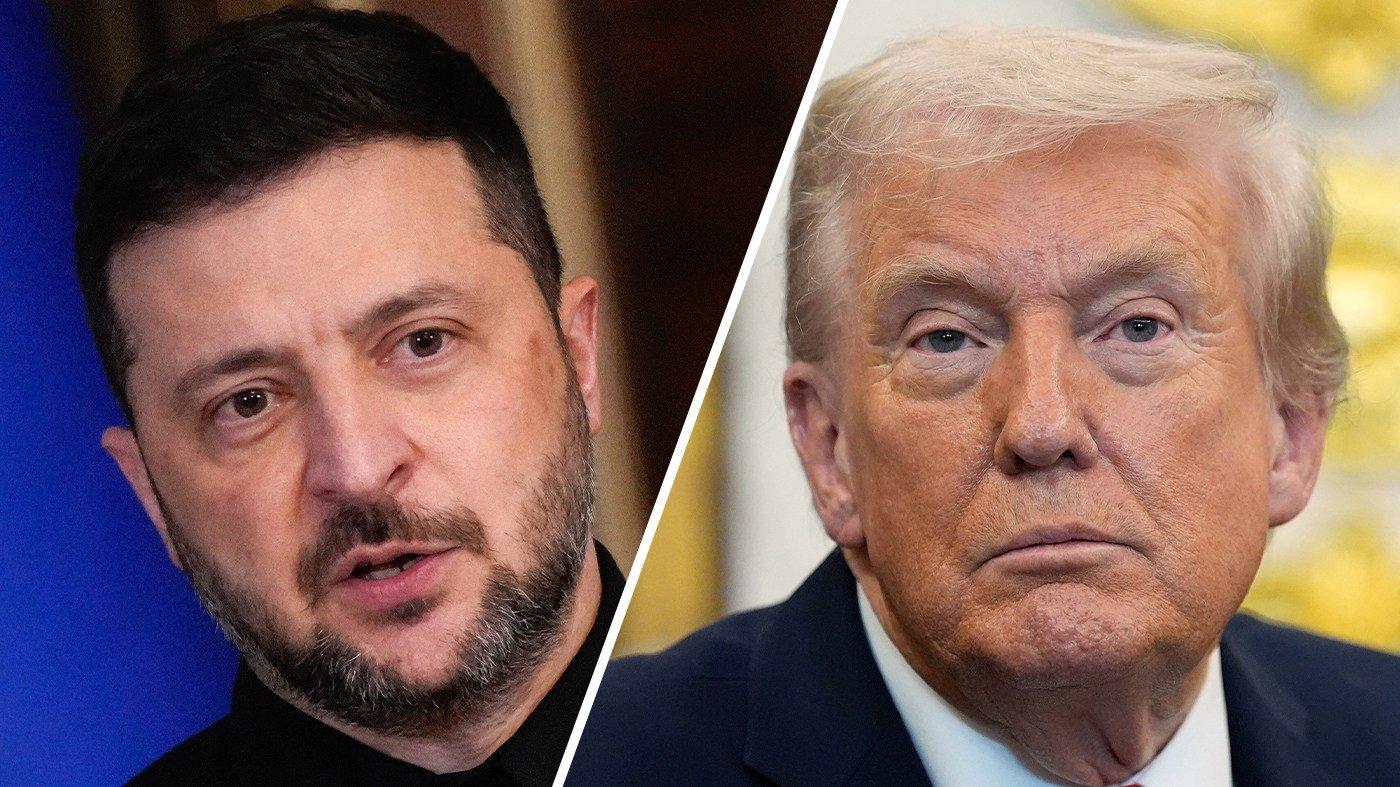
President Donald Trump issued a stark ultimatum on Truth Social, demanding Iran reopen the strait and threatening devastating strikes on infrastructure. "Tuesday will be Power Plant Day, and Bridge Day, all wrapped up in one, in Iran," Trump wrote. "Open the Strait, you crazy bastards, or you’ll be living in Hell." The post has intensified scrutiny of the administration's strategy and the legal boundaries of the conflict.
War Crime Allegations and Political Reactions
The specific nature of Trump's threatened targets has drawn immediate condemnation from national security experts and lawmakers. Stavridis warned that attacking civilian infrastructure like desalination plants "is almost certainly a war crime because it serves the population so directly." His assessment was echoed by Senator Chris Murphy (D-Conn.), who declared on social media that "Trump is calling reporters today to tell them he is going to commit mass war crimes next week."
Congressman Jake Auchincloss (D-Mass.) suggested the Iranian regime currently perceives control of the strait as more strategically vital than even pursuing a nuclear weapon. He characterized the President's threats as "blustering," asserting that Trump historically "always backs down." The debate underscores deep divisions over the U.S. approach, as detailed in our report on the warnings from former defense officials about the risks of escalation.
Diplomatic Stalemate and Regional Mediation
Despite diplomatic efforts, the path to de-escalation remains blocked. Nations including Egypt, Pakistan, and Turkey have attempted to mediate, presenting proposals like a 45-day ceasefire draft to both capitals. Iran, however, has publicly dismissed the latest American terms as unrealistic, vowing to continue strikes against nations hosting U.S. assets until its own conditions for ending the war are met. This follows a pattern where Tehran has repeatedly rejected U.S. ceasefire plans.
The economic dimension adds further complexity. While Iran leverages the Strait of Hormuz, analysts warn its own economy faces severe strain from the conflict and sanctions. The standoff occurs against a backdrop where regional tensions were already high following events like the Israeli strike that killed a top Iranian naval commander earlier this year.
As Stavridis concluded, Iran believes it "still has cards to play." The question for Washington and its allies is whether increased military pressure can alter Tehran's calculus, or if it will only solidify its resolve to use its remaining leverage, setting the stage for a prolonged and volatile confrontation in the Persian Gulf.