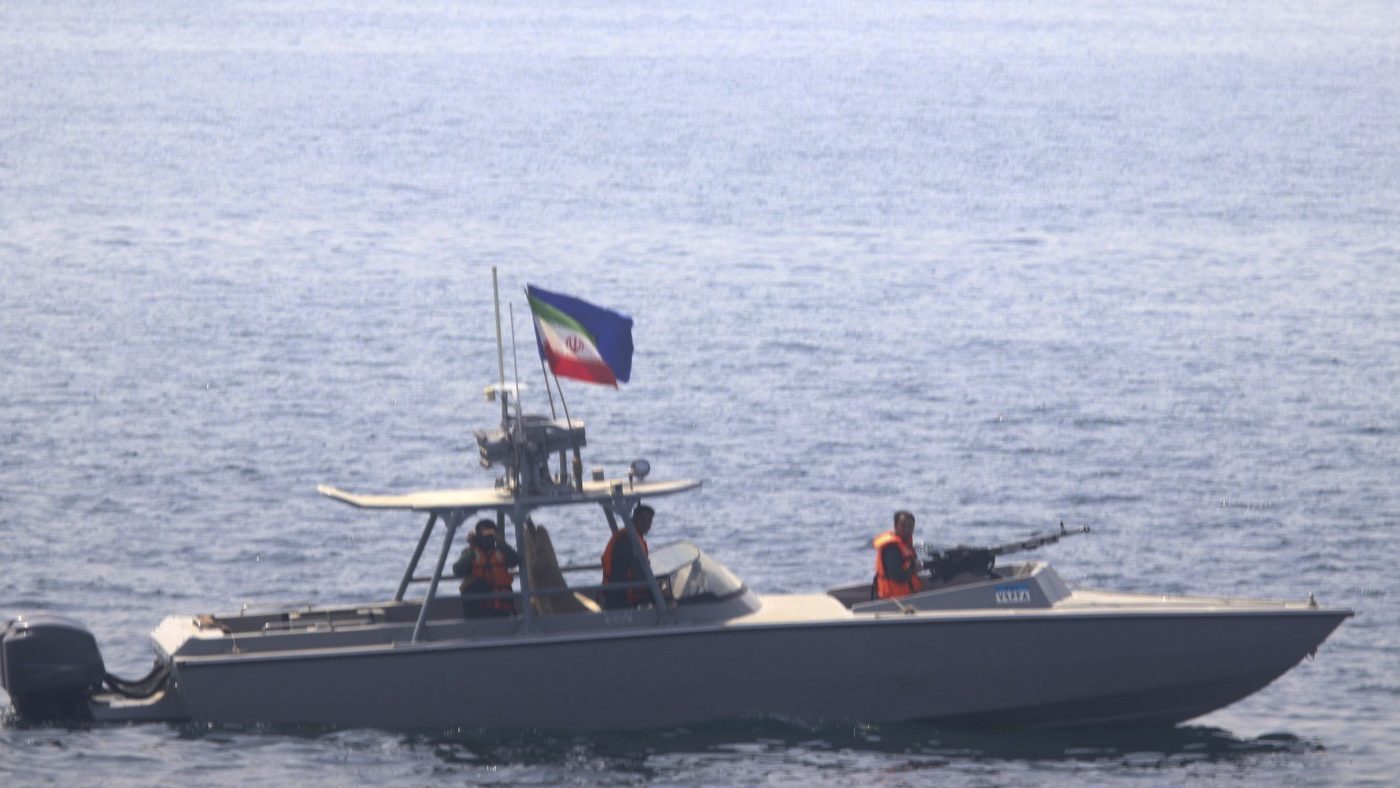
Israel has carried out a high-profile assassination of a senior Iranian military commander, marking a significant escalation in the ongoing regional conflict. Prime Minister Benjamin Netanyahu confirmed that Israeli forces killed Commodore Alireza Tangsiri, the head of the Iranian Revolutionary Guard Corps (IRGC) Navy, in an overnight strike. Defense Minister Israel Katz stated the operation also eliminated other senior naval officials.
In a statement posted to social media, Netanyahu justified the action, claiming Tangsiri had "a great deal of blood on his hands" and was directly responsible for leading the Iranian closure of the Strait of Hormuz. The Prime Minister framed the strike as part of coordinated efforts with the United States toward shared wartime objectives.
The Iranian government has not yet officially acknowledged the commander's death. Tangsiri was a pivotal figure, overseeing the IRGC Navy's drone and cruise missile programs and chairing the entity that manufactures naval drones. His targeting follows a pattern of strikes against Iranian officials since the conflict began, which notably included the death of former Supreme Leader Ayatollah Ali Khamenei.
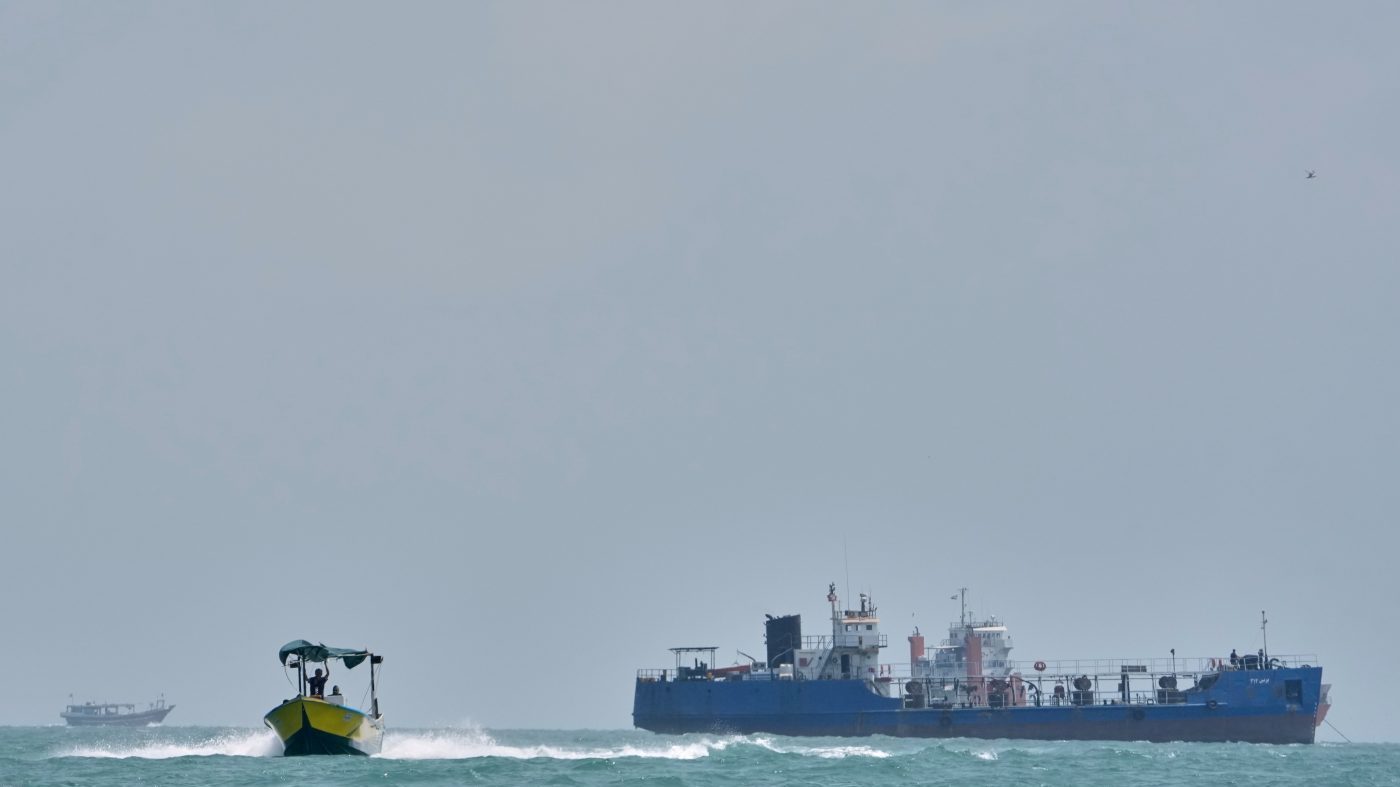
The geopolitical stakes are centered on the Strait of Hormuz, a critical global oil chokepoint. Following the order of Iran's current Supreme Leader, Mojtaba Khamenei, the strait has been sealed, triggering a sharp spike in global energy prices. The U.S. national average for gasoline, for instance, has surged to nearly $4 per gallon, a direct consequence of the blockade that has roiled markets. Analysts have warned that Iran's control of the waterway acts as its primary strategic lever in the confrontation.
Diplomatic efforts to resolve the crisis appear stalled. Tehran has formally rejected a 15-point U.S. peace plan, instead presenting a counterproposal demanding Iranian sovereignty over the Strait of Hormuz, a complete cessation of hostilities, and an end to attacks on its officials. These conditions for ending the regional war highlight the fundamental impasse.
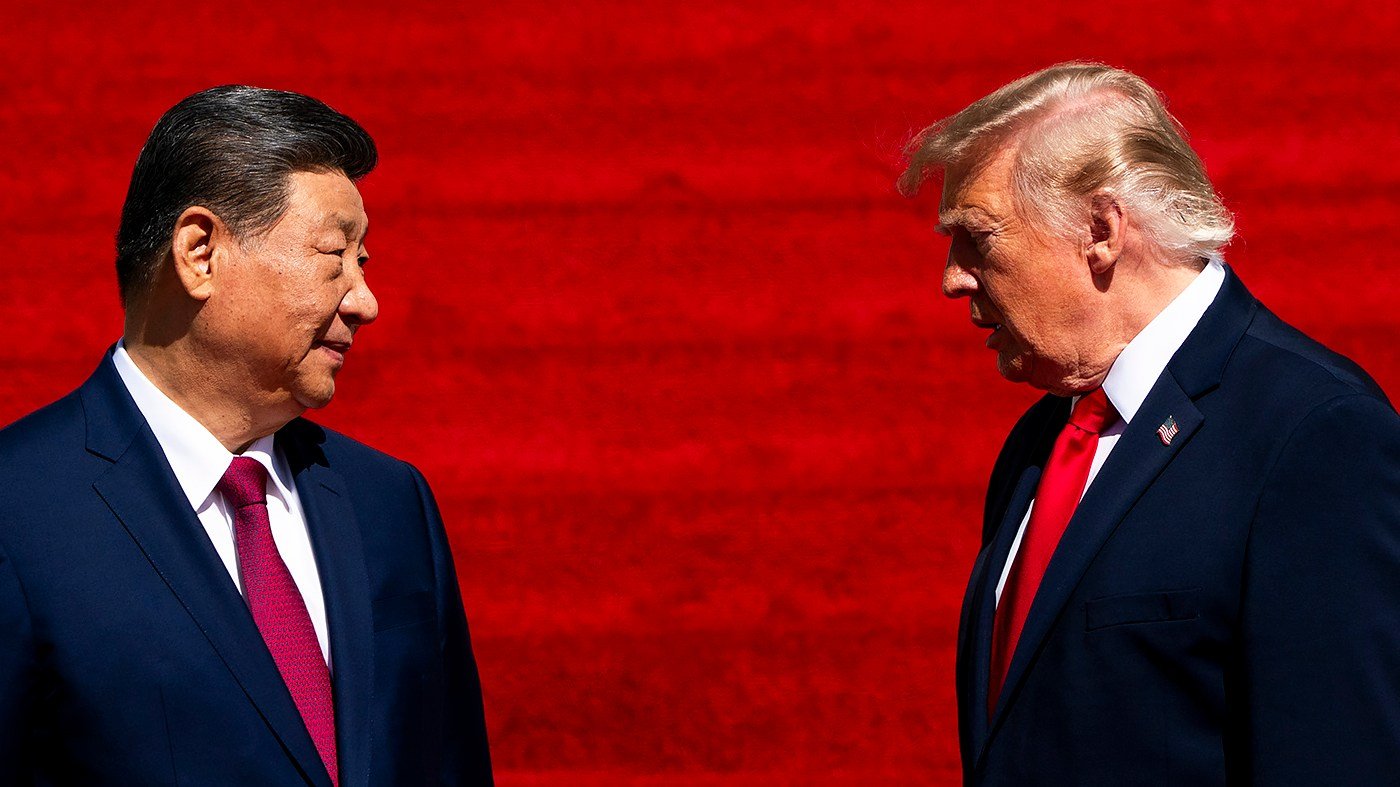
U.S. President Donald Trump has taken a combative public stance, accusing Iran of "begging" for a deal while failing to seriously engage. On his social media platform, he warned the Iranian leadership to "get serious soon, before it is too late." Despite previously characterizing talks as "productive," the administration has stated it will not negotiate directly with Supreme Leader Khamenei.
Iranian officials have responded with defiance. Foreign Minister Abbas Araghchi dismissed the notion of direct negotiations with Washington and accused the U.S. of applying a double standard, condemning Iran's defensive actions while supporting Israeli operations. "International law is not a tool of convenience," he asserted. The closure and military escalation have created a volatile scenario where broader regional conflict remains a palpable risk.
The economic repercussions extend beyond the pump. The energy price shock, fueled by the strait's closure and broader conflict, is providing financial benefits to other adversarial states. A Swedish military commander recently cautioned that Russia's war effort is being bolstered by an oil revenue windfall linked to the crisis. Domestically, the strain is also evident, with companies like Chevron warning of potential refinery closures in California due to combined regulatory and intense geopolitical pressures.