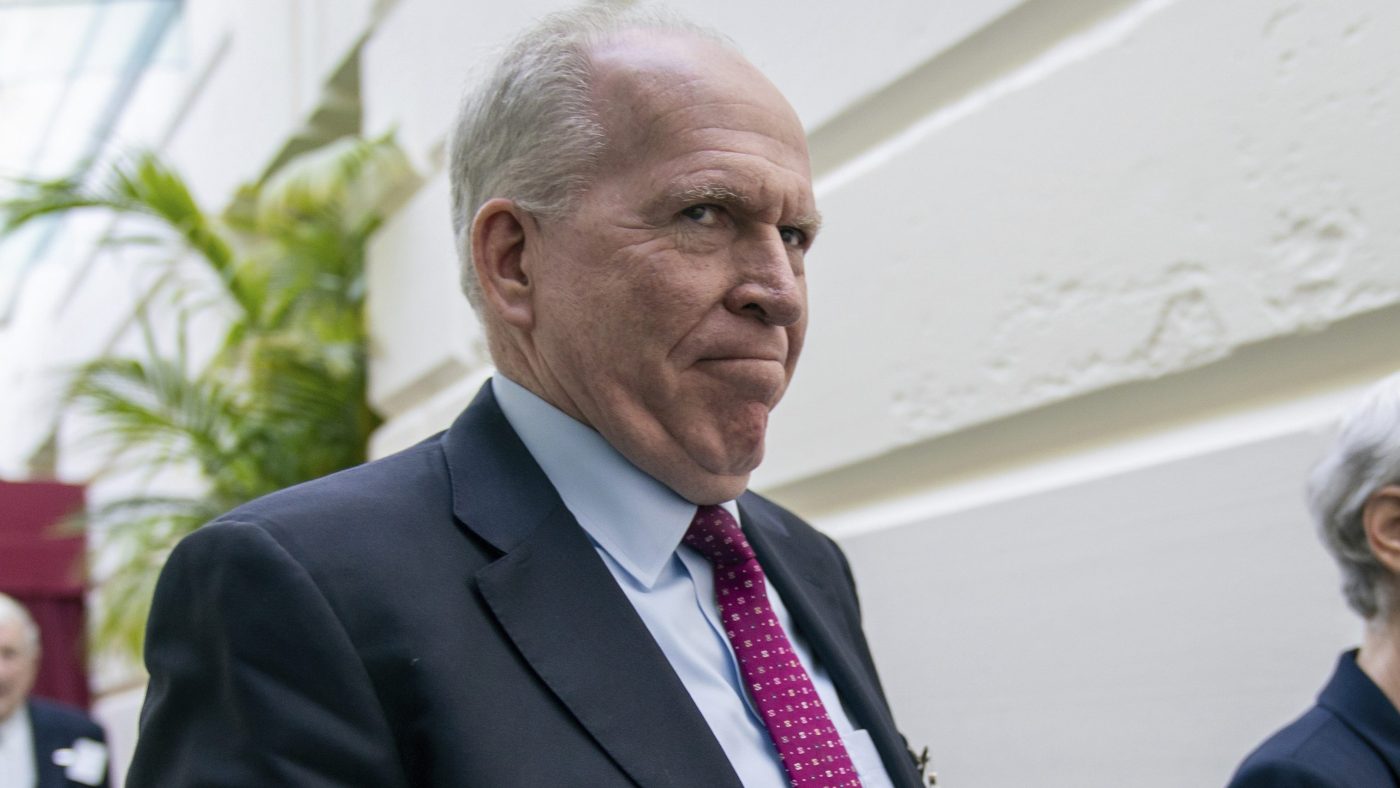
Former CIA Director John Brennan issued a sharp critique of Israel's military strategy on Tuesday, arguing that its recent operations in Lebanon alongside U.S. actions against Iran are dangerously escalating regional hostilities rather than containing them.
"What Israel is doing now vis-a-vis Iran and Lebanon is just basically adding fuel to the fires of hostilities," Brennan stated during an appearance on MSNBC's 'Deadline: White House.' He emphasized the urgent need to de-escalate military operations involving the United States, Israel, and Iran, calling for a concerted focus on bringing active engagements to a close.

Israeli Military Actions and Justification
The criticism follows public announcements by the Israel Defense Forces (IDF) confirming "targeted ground operations in southern Lebanon." In subsequent statements on social media, the Israeli military justified its actions as necessary countermeasures against Iranian intelligence activities operating from Lebanese territory, vowing to continue thwarting what it describes as Iranian terrorist advances.
Humanitarian Toll and Child Casualties
The ongoing conflict has exacted a severe humanitarian cost. UNICEF Deputy Executive Director Ted Chaiban reported Monday that at least 324 children have been killed in Iran and Lebanon since the U.S.-Israeli confrontation with Iran intensified late last month. The breakdown includes 206 child fatalities in Iran and 118 in Lebanon. Chaiban also noted four child deaths in Israel and one in Kuwait resulting from Iranian retaliatory strikes.
This latest violence compounds years of mass casualties in the region, including the tens of thousands killed during the recent Israel-Hamas war, painting a grim picture of protracted instability.
Diplomatic Stalemate and Iranian Demands
Diplomatic efforts remain deadlocked. Iran recently presented a counterproposal to a ceasefire plan supported by the Trump administration, which it had previously rejected. The Iranian demands, as outlined in a statement from its Consulate General in Mumbai, include asserting sovereignty over the strategic Strait of Hormuz and a complete cessation of what it terms "aggression" from the U.S. and Israel.
"Iran will end the war at a time of its own choosing and only if the conditions it has set are fulfilled," the statement declared, explicitly rejecting any timeline imposed by the U.S. administration. This hardline stance underscores the challenges facing efforts to assess and overcome the Iranian regime's resilience to sustained military pressure.
Broader Political Context and Criticism
Brennan's comments add to a growing chorus of concern from former national security officials about the trajectory of the conflict. His warning aligns with analyses from other experts who have accused Israel of undermining de-escalation efforts with Tehran. The situation has also sparked domestic political friction in the U.S., with some former Trump allies leading internal opposition to the administration's war strategy.
The human cost, detailed by UNICEF, continues to mount, with over 320 children killed as direct casualties of the escalating strikes and counter-strikes. As military actions persist and diplomatic channels falter, the region appears locked in a cycle of violence that senior intelligence veterans like Brennan argue requires immediate and strategic reversal to prevent further catastrophic loss.