The Fracturing of a Coalition
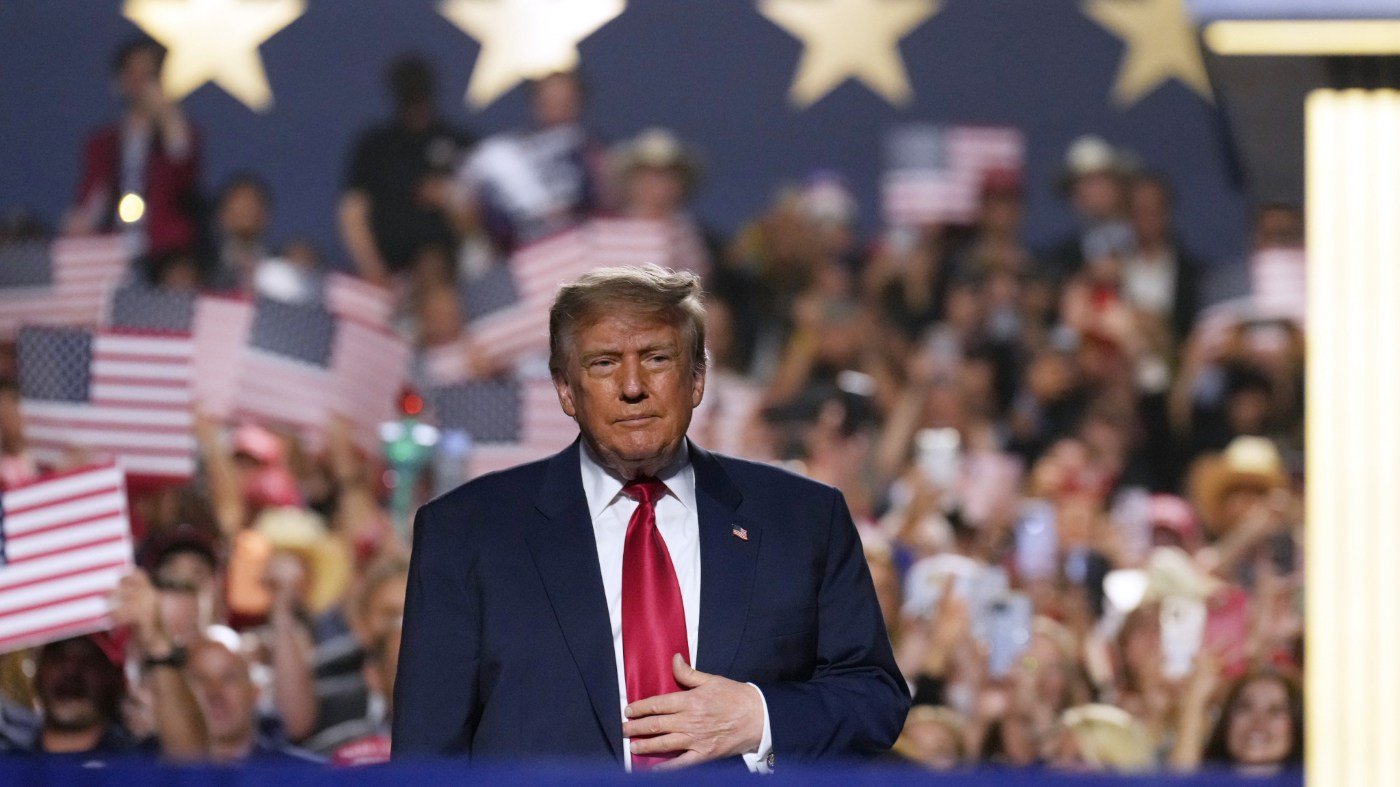
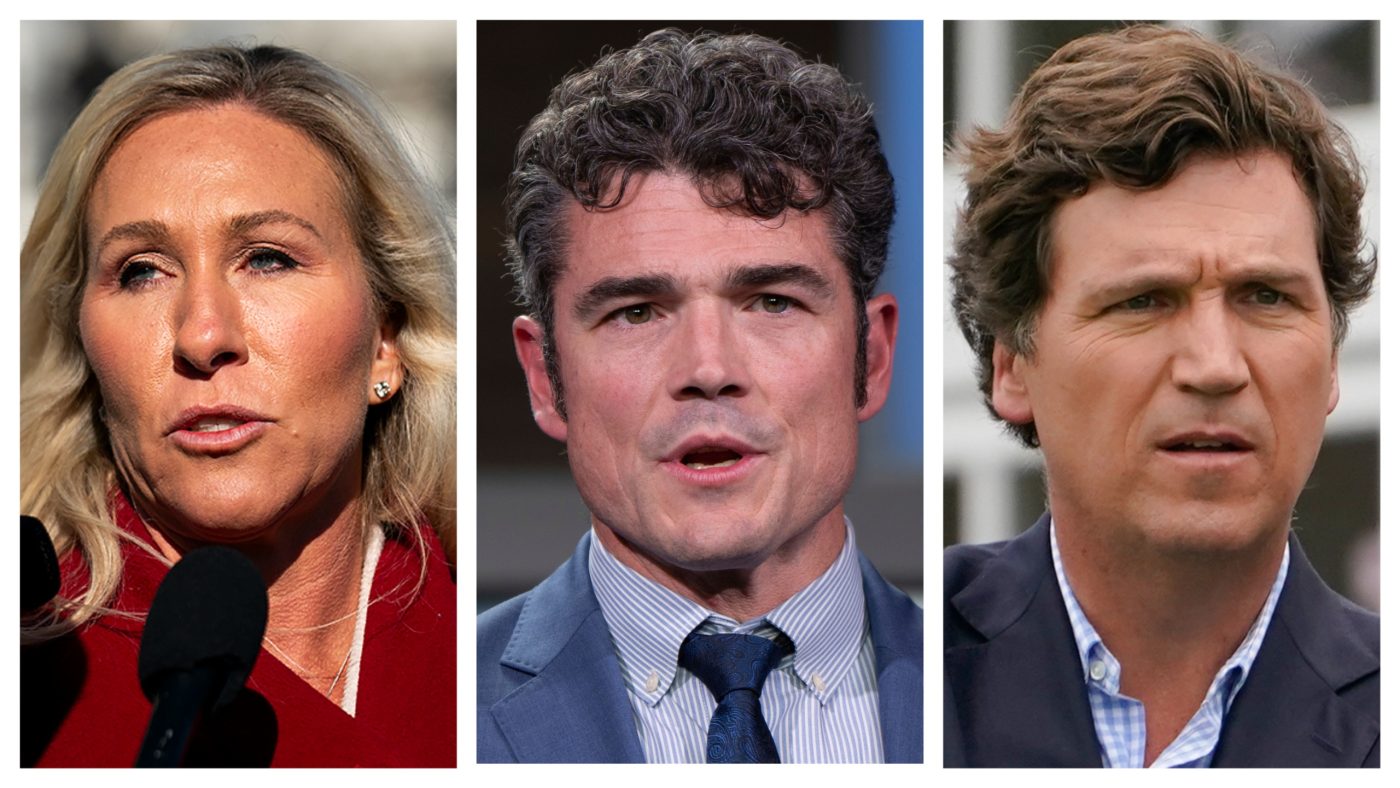
Just one year after helping secure Donald Trump's return to power, three prominent figures once central to the MAGA movement now find themselves at odds with the president they championed. Former intelligence official Joe Kent, media personality Tucker Carlson, and ex-congresswoman Marjorie Taylor Greene have each taken public stands against Trump's military engagement in Iran, signaling a significant rupture within the coalition that defined modern Republican politics.
From Insiders to Critics
Kent, who gained national attention by defeating a Republican who voted to impeach Trump following the January 6th Capitol attack, resigned last week from his Senate-confirmed position in the Office of the Director of National Intelligence. His departure came as a direct protest against the administration's Iran policy. Carlson, while maintaining personal affection for Trump, has amplified Kent's criticisms through his influential media platform, becoming a leading voice of dissent on the conflict.
Greene's break has been more dramatic. After Trump distanced himself from her views on foreign policy and the Epstein documents, she left Congress and has since appeared on media outlets the president frequently disparages, including CNN. This represents a stark reversal for a politician who once wore a "Trump Was Right About Everything" hat during a presidential address to Congress.
The 'Shadow MAGA' Emerges
This discontent extends beyond high-profile personalities to a broader segment of the anti-establishment right that initially formed Trump's base. Polling reveals complex attitudes even among supporters: while a Politico survey found 56% of self-described MAGA voters back Trump's Iran actions, a majority of those same respondents believe he broke his campaign pledge against starting new wars. Some analysts describe this disillusioned faction as "Shadow MAGA"—voters and influencers who feel betrayed by what they see as abandoned promises.
The administration has dismissed concerns about coalition fractures, pointing to polls showing majority Republican support for the Iran engagement. Trump himself has asserted his singular authority to define MAGA, recently declaring on Truth Social regarding critics of pro-war commentator Mark Levin: "THEY ARE NOT MAGA, I AM." However, as commentator Emily Jashinsky notes, "MAGA" often serves as an "imprecise catchall for Trump's coalition," masking significant ideological diversity.
Beyond Foreign Policy
The rift encompasses more than just the Iran conflict. Shadow MAGA figures express frustration over the administration's handling of the Epstein files and concerns about potential retreats from aggressive immigration enforcement. This sentiment was captured by a Pennsylvania voter who told NBC that despite voting for Trump three times, economic pressures persist: "That was my bad. Apparently, I'm an idiot."
Longtime Trump ally Steve Bannon has questioned the MAGA credentials of establishment figures now supporting the Iran war, asking pointedly about their positions during the 2020 election challenges and January 6 investigations. The emerging debate centers on whether "America First" means foreign policy restraint or justifies any action perceived as serving U.S. interests.
Political Consequences
The critical question is what influence this Shadow MAGA faction will wield within the Republican Party. Political strategists warn that disillusioned low-propensity voters, crucial to Trump's 2024 victory, might abstain from the 2026 midterms, potentially endangering GOP congressional majorities. Furthermore, without Trump actively elevating anti-establishment voices, traditional Republican officials may feel less compelled to embrace the populist policies that defined the MAGA movement's early years.
This internal tension coincides with other administration challenges, including negotiations over Department of Homeland Security funding and congressional skepticism about diplomatic claims regarding Iran. As the Republican Party navigates these divisions, the struggle between Trump's institutionalizing presidency and the restless movement that created it will likely shape American politics for years to come.