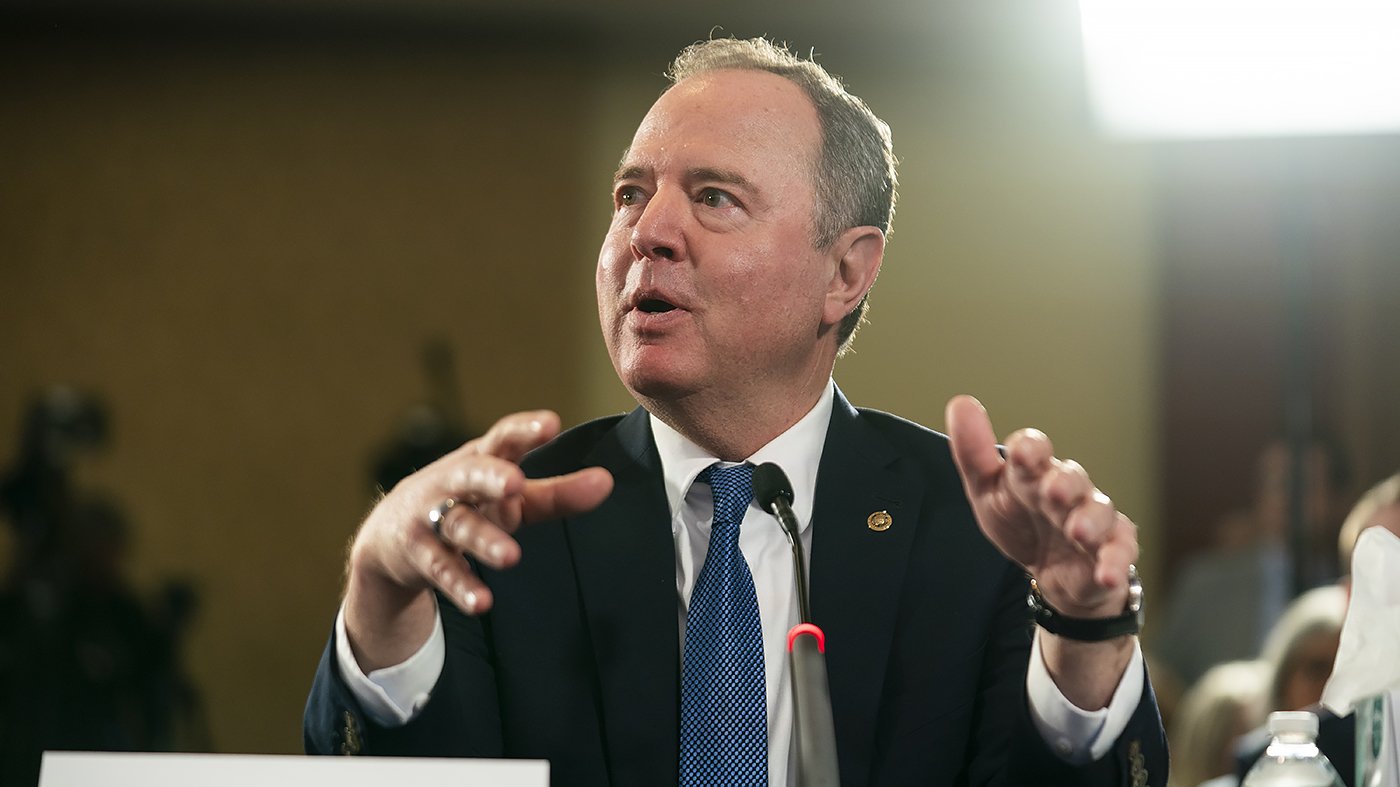
Senator Adam Schiff, the California Democrat, voiced significant skepticism on Monday regarding President Trump's assertion that the United States and Iran are engaged in serious negotiations to resolve the escalating conflict in the Persian Gulf. Schiff suggested the president's statements might be a politically motivated attempt to lower gasoline prices rather than a genuine diplomatic breakthrough.
"If the president is telling the truth, that would be positive news," Schiff told CNN. "However, we have a long record of this president making claims that later prove entirely false. It's difficult to know what to believe—whether these talks are substantive, near any agreement, or if this is simply Donald Trump trying to bring down prices at the pump, an issue he's sensitive to given the widespread criticism he's facing."
Market Reaction and Conflicting Reports
Earlier on Monday, Trump announced a five-day pause in U.S. strikes on Iranian energy infrastructure, citing "productive conversations" with Iranian officials aimed at ending hostilities. The announcement triggered an immediate market reaction: global oil prices, which had been elevated due to Iranian restrictions on shipping through the critical Strait of Hormuz, fell sharply, while U.S. stock indices rallied.
The president told reporters that while he has not spoken directly with Iran's new Supreme Leader, Mojtaba Khamenei, U.S. envoys Steve Witkoff and Jared Kushner held discussions with Iranian counterparts on Sunday. Reports from Axios and Politico indicated the contacts were with Mohammad-Bagher Ghalibaf, the speaker of Iran's parliament, whom some administration officials reportedly view as a potential pragmatic partner. This aligns with other reporting on how Ghalibaf has emerged as a central figure in Western diplomatic calculations.
Iranian Denials and Strategic Ambiguity
However, Ghalibaf publicly denied any negotiations were taking place. On the social media platform X, he accused "fakenews" of being "used to manipulate the financial and oil markets and escape the quagmire in which the US and Israel are trapped." This direct contradiction from a key Iranian official underscores the profound uncertainty surrounding the situation and echoes the pattern of Tehran denying talks even as other parties claim progress.
Schiff also pointed to the five-day delay in military action as a familiar Trump tactic. "He uses that quite frequently," the senator noted. While expressing hope that the negotiations are authentic, Schiff said he remains "very skeptical," especially in light of reports that the Pentagon is preparing to deploy thousands of additional Marines and sailors to the region next month. "I don't know what to make of this five-day delay," he admitted.
The episode highlights the high-stakes interplay between geopolitics, energy markets, and domestic politics. Trump faces mounting political pressure over rising fuel costs, creating an incentive to demonstrate action. The administration's move follows a series of calibrated signals, including a previous pause in strikes and claims of a diplomatic breakthrough that also moved markets.
Schiff's public doubts reflect broader Democratic concerns about the administration's transparency and strategy. His comments parallel criticisms from other lawmakers, such as Senator Chris Van Hollen, who has accused the president of dishonesty regarding Iran talks and issued warnings about potential war crimes.
The conflicting narratives from Washington and Tehran leave allies and markets in a state of suspension. The coming days will test whether the pause leads to tangible de-escalation or proves to be a temporary lull. The administration's approach appears to be part of a broader, if inconsistent, pattern of signaling potential de-escalation while maintaining military readiness, a strategy that carries significant risk of miscalculation.