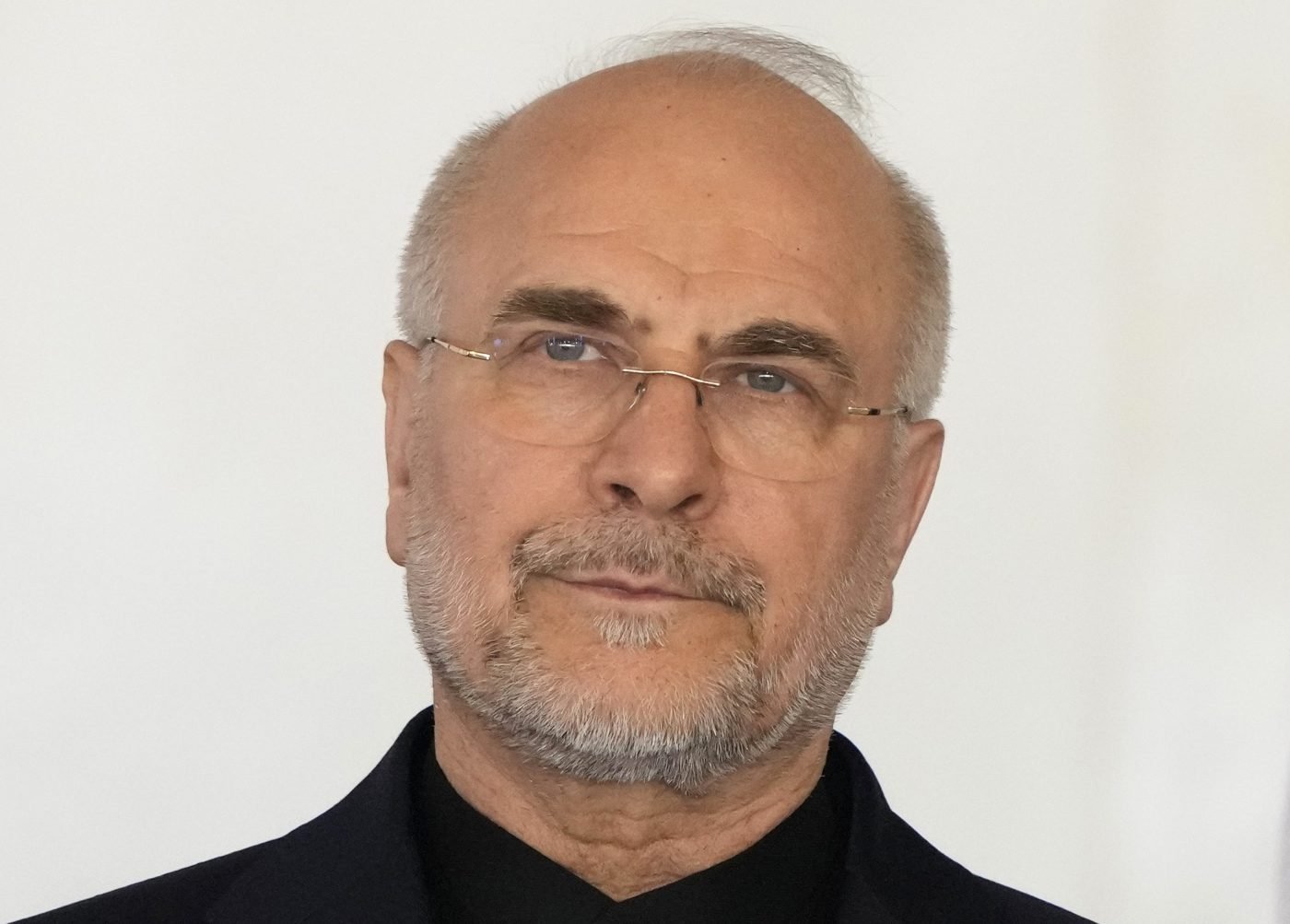
Mohammad-Bagher Ghalibaf, the Speaker of Iran's Parliament, occupies a central position within Tehran's power structure, having operated within its influential political circles for decades. This prominence has placed him at the forefront of recent speculation regarding back-channel diplomacy with the United States.
Multiple sources reported this week that Ghalibaf is leading negotiations with the Trump administration as both nations assess their positions following the outbreak of hostilities on February 28. The discussions are said to focus on potential de-escalation strategies. However, Ghalibaf has forcefully denied these reports, labeling President Trump's statements about dialogue as "fake news" designed to manipulate turbulent financial and oil markets. He accused the U.S. President of attempting to "escape the quagmire in which the US and Israel are trapped." This denial comes as Washington extended a military pause, creating a window for potential diplomacy.
A Sudden Rise in Strategic Authority
Ghalibaf's role has expanded significantly following the death of Ali Larijani, the former Parliament Speaker who was killed in last week's military strikes. Larijani had subsequently served as Secretary of Iran's Supreme National Security Council. According to three senior Iranian officials who spoke to The New York Times, Ghalibaf has now assumed responsibility for high-level strategic decision-making in the wake of this leadership loss.
This redistribution of duties reportedly leaves Islamic Revolutionary Guard Corps commander General Ahmad Vahidi in charge of tactical military operations, while President Masoud Pezeshkian manages the state's daily functions. As one of Iran's highest-ranking officials, Ghalibaf is now positioned to be instrumental in any future decisions regarding critical issues such as the reopening of the Strait of Hormuz, a vital global oil chokepoint.
Political Career and Controversies
Ghalibaf's political journey is long and textured. He has held the parliamentary speakership for six years, succeeding Larijani. Prior to that, he mounted three unsuccessful presidential campaigns in 2005, 2013, and 2024, and briefly entered the 2017 race before withdrawing to support another candidate.
Between his presidential bids, Ghalibaf served as Mayor of Tehran, winning re-election in uncontested races. His tenure was marked by significant development projects in the city's affluent northern districts, but he faced criticism for neglecting poorer southern neighborhoods. He was also accused of corruption and facilitating land sales to regime insiders, allegations that have followed him throughout his career.
Military and Security Background
Ghalibaf's influence is rooted in a substantial military and security record. He began his service at age 19 during the Iran-Iraq war, rising to command the Imam Reza Brigade and later the Nasr Division. By 1998, he was Commander of the IRGC's Aerospace Force.
In 1999, Supreme Leader Ayatollah Ali Khamenei appointed him Chief of the National Police. In this role, Ghalibaf advocated for a harsh crackdown on student protests, modernized police equipment, and dropped legal cases against certain media outlets. His hardline security stance continues to inform his political profile and contrasts with the growing skepticism about the war within some U.S. political circles.
Ghalibaf holds a PhD in political geography, complementing his practical experience with academic credentials. His current denial of negotiations with the U.S. underscores the delicate and often opaque nature of diplomacy between the two adversaries, even as other global leaders, like Israeli Prime Minister Netanyahu, have publicly claimed Washington is seeking a deal. Whether Ghalibaf's public statements reflect reality or strategic posturing remains a central question for observers of the ongoing crisis.