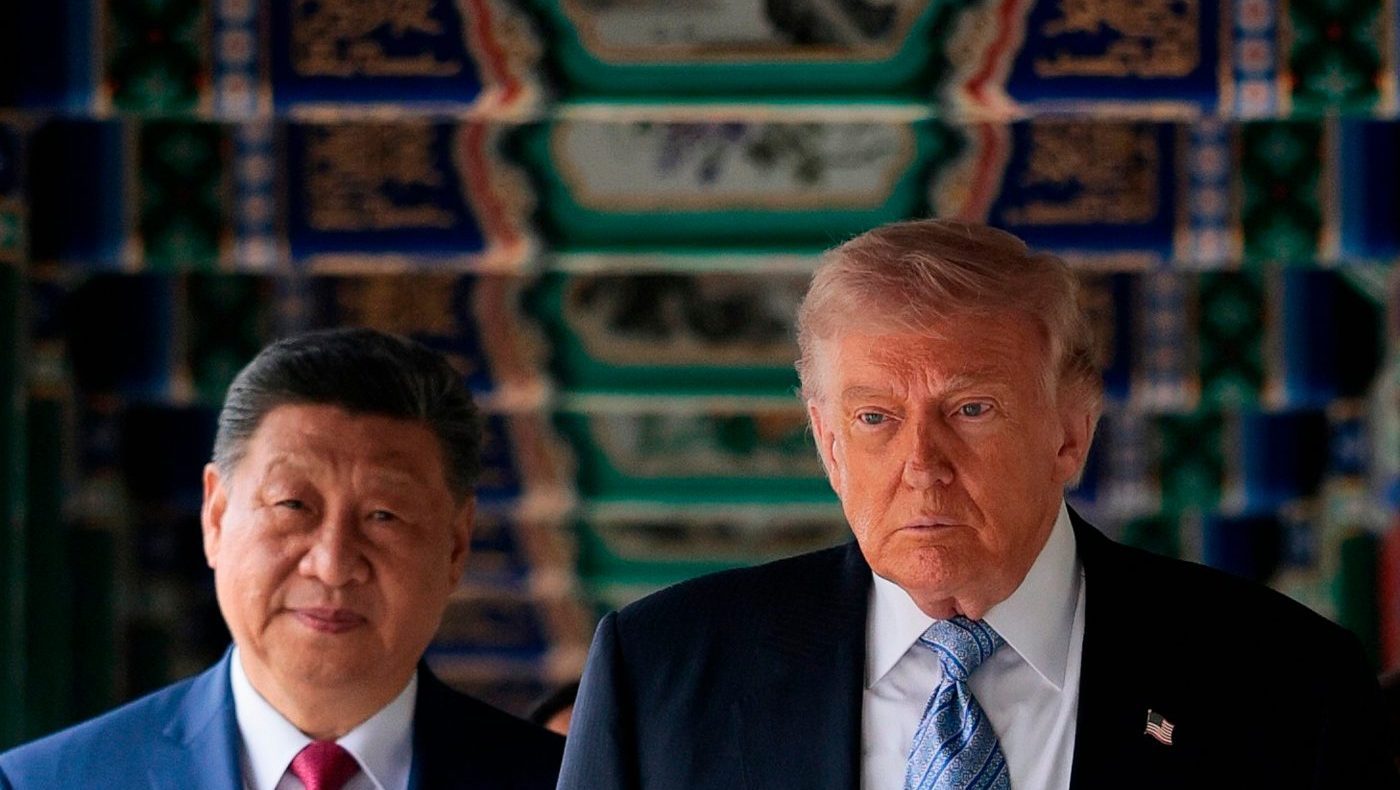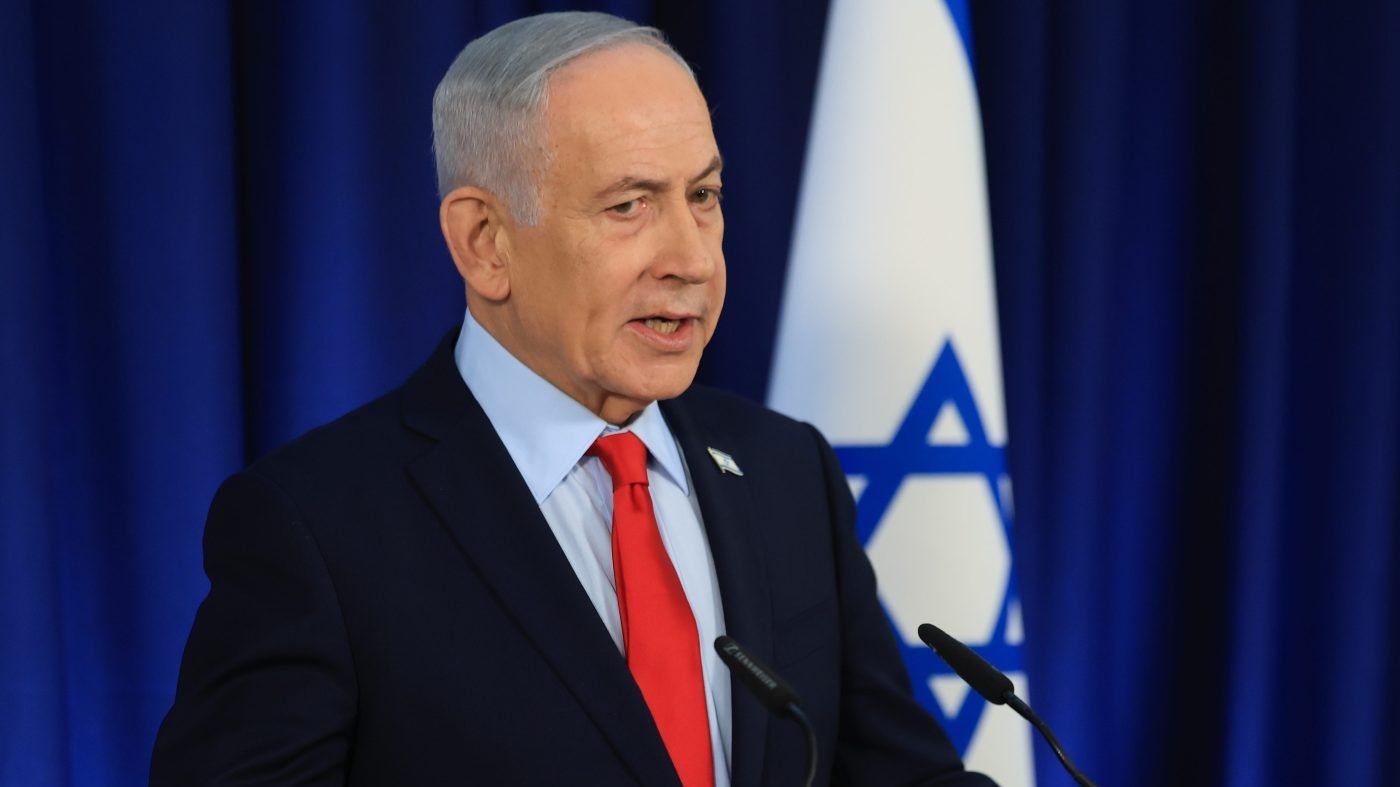
Israeli Prime Minister Benjamin Netanyahu asserted on Monday that President Donald Trump perceives a diplomatic opening with Iran, even as military tensions between Washington, Tel Aviv, and Tehran remain high. Netanyahu framed recent U.S. military actions as creating leverage for potential negotiations.
"I spoke with President Trump earlier today," Netanyahu said in a statement posted to social media. "He believes we can use the significant military accomplishments achieved alongside U.S. forces to advance the war's objectives through an agreement that protects our essential security interests." The comments suggest a potential shift in strategy, blending continued military pressure with overtures for a negotiated settlement.
Trump Announces Tactical Pause in Strikes
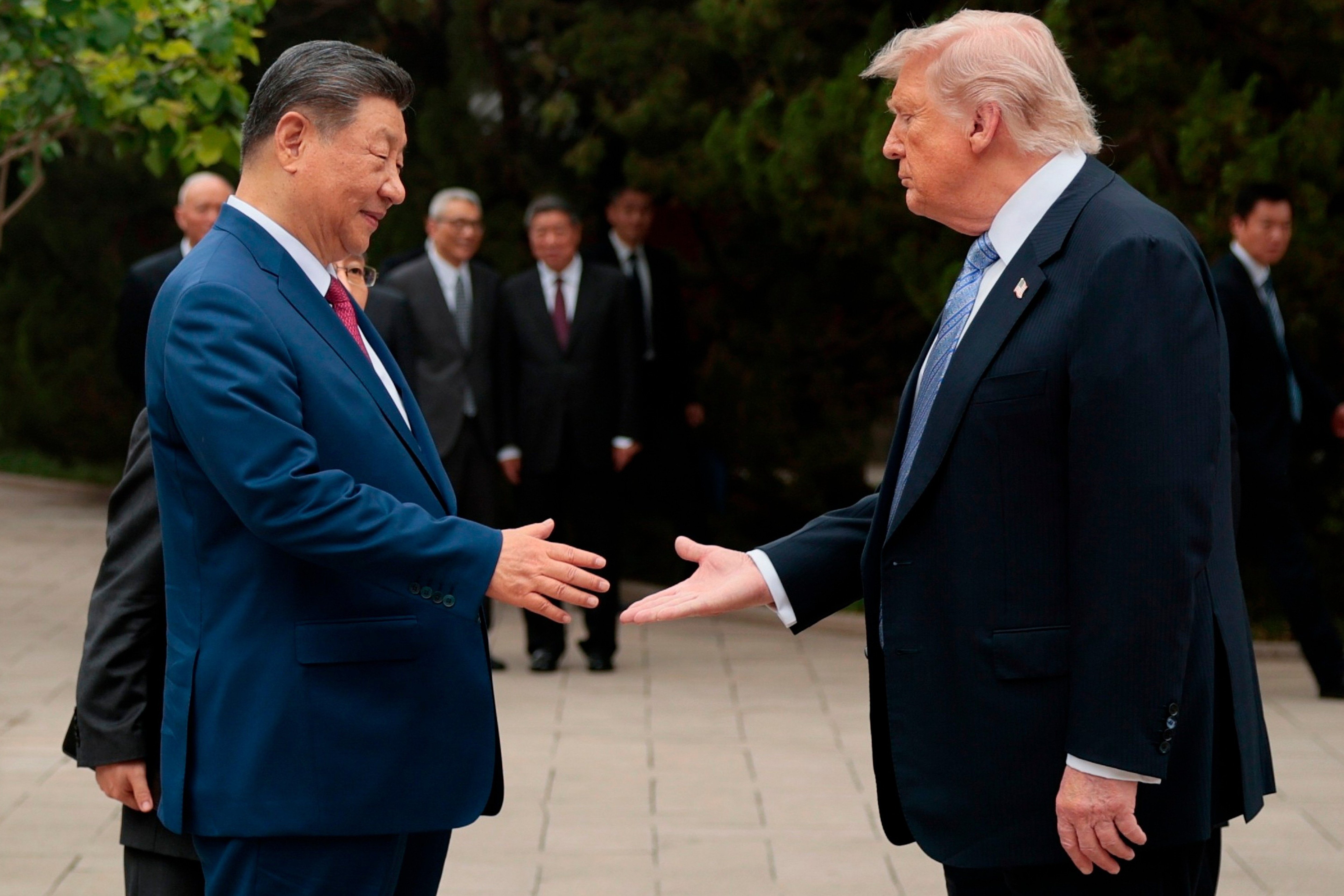
Separately, President Trump announced a temporary halt to U.S. strikes on Iranian energy infrastructure, declaring a five-day pause following what he described as "very good" and "productive" discussions with Iranian officials. The announcement was made via the president's preferred social media platform.
"Over the last two days, the United States and Iran have held conversations aimed at a complete and total resolution of hostilities in the Middle East," Trump stated. Citing the "tenor and tone" of these ongoing talks, he said he had "instructed the Department of War to postpone any and all military strikes against Iranian power plants and energy infrastructure for a five day period."
However, Trump clarified that he had not communicated directly with Iran's Supreme Leader, Mojtaba Khamenei. "We're dealing with a man who I believe is the most respected and the leader," Trump told reporters, seemingly referencing another official. He added, "We have not heard from the son," in an apparent misstatement regarding Khamenei.
Iran Denies Engagement, Claims U.S. "Backed Down"
The narrative from Washington and Tel Aviv was immediately contradicted by Iranian officials. A senior Iranian security official told the state-linked Fars News Agency that Tehran is not engaged in discussions with the Trump administration.
The official claimed the U.S. decision to halt strikes was a retreat driven by military and economic pressures. "Trump backed down from attacking critical infrastructure as Iran's military threats became credible," the official said. "Financial market pressure and the threat of bonds within the U.S. and the West have increased, and this has been another important factor in this retreat." This rebuttal underscores the deep mistrust and conflicting narratives that have long characterized U.S.-Iran relations.
The developments occur against a backdrop of sustained conflict and complex political calculations for all involved. For Netanyahu, aligning with a potential U.S. diplomatic push may offer a path to secure Israel's regional security goals. For Trump, the move represents another high-stakes foreign policy maneuver ahead of the November election, attempting to balance a hawkish posture with a claim of seeking resolution.
The conflicting accounts between Washington and Tehran highlight the fragility of the situation. While the U.S. and Israel signal a potential diplomatic track, Iran's denial of talks suggests any path forward will be fraught. The five-day pause on strikes creates a narrow window, but without confirmed direct channels to Iran's ultimate decision-makers, its prospects are uncertain. The situation echoes debates in other political arenas, such as the recent Georgia Runoff Debate: Harris and Fuller Split on Iran War, Economic Priorities, where U.S. political figures are deeply divided on the best approach to Iran.
Analysts will be watching closely to see if this reported opening leads to substantive dialogue or proves to be a brief lull in a prolonged confrontation. The coming days will test whether the leverage Netanyahu cited can be converted into a viable diplomatic process, or if the region will return to overt military escalation.