The United States Postal Service reported a net loss of $2 billion for the second quarter of fiscal 2026, a modest improvement from previous periods but still a stark reminder of the agency's financial fragility. Revenue climbed 2.3% to $20.2 billion, driven largely by price hikes on shipping and specialty services, while operating expenses fell 4.1% to $22.1 billion.
Despite the narrowing loss, Postmaster General David Steiner struck a cautious tone, calling the quarter's results a step in the right direction but warning that long-term sustainability remains elusive. “During the quarter we were able to get revenue, cost and service results moving in the right direction,” Steiner said in a statement. “However, the scale of our financial improvements compared to the prior year was modest and we have a long road to go to achieve anything close to long-term financial sustainability.”
The agency, which has not turned a profit since 2007, faces a cash crunch that could see it run out of money by February 2027. Steiner described the situation as a “cash crisis” and said USPS is taking steps to conserve funds, including temporarily suspending employer contributions to federal pension programs and raising postage rates. The price of a First-Class Mail Forever stamp will increase by 4 cents.
Overall mail volumes fell 3.4% to 25.6 billion pieces, with First-Class Mail suffering the steepest decline at 6.3%. The drop in volume partially offset the revenue gains from higher prices, underscoring the structural challenges facing the 250-year-old institution.
USPS has asked Congress to raise its borrowing cap from the current $15 million to $34.5 billion, a move Steiner says is necessary to avoid service disruptions. “To avoid disruption and to sustain our role supporting American commerce and the public, we require urgent Congressional action to expand our borrowing authority and to address outdated constraints on the organization,” he said.
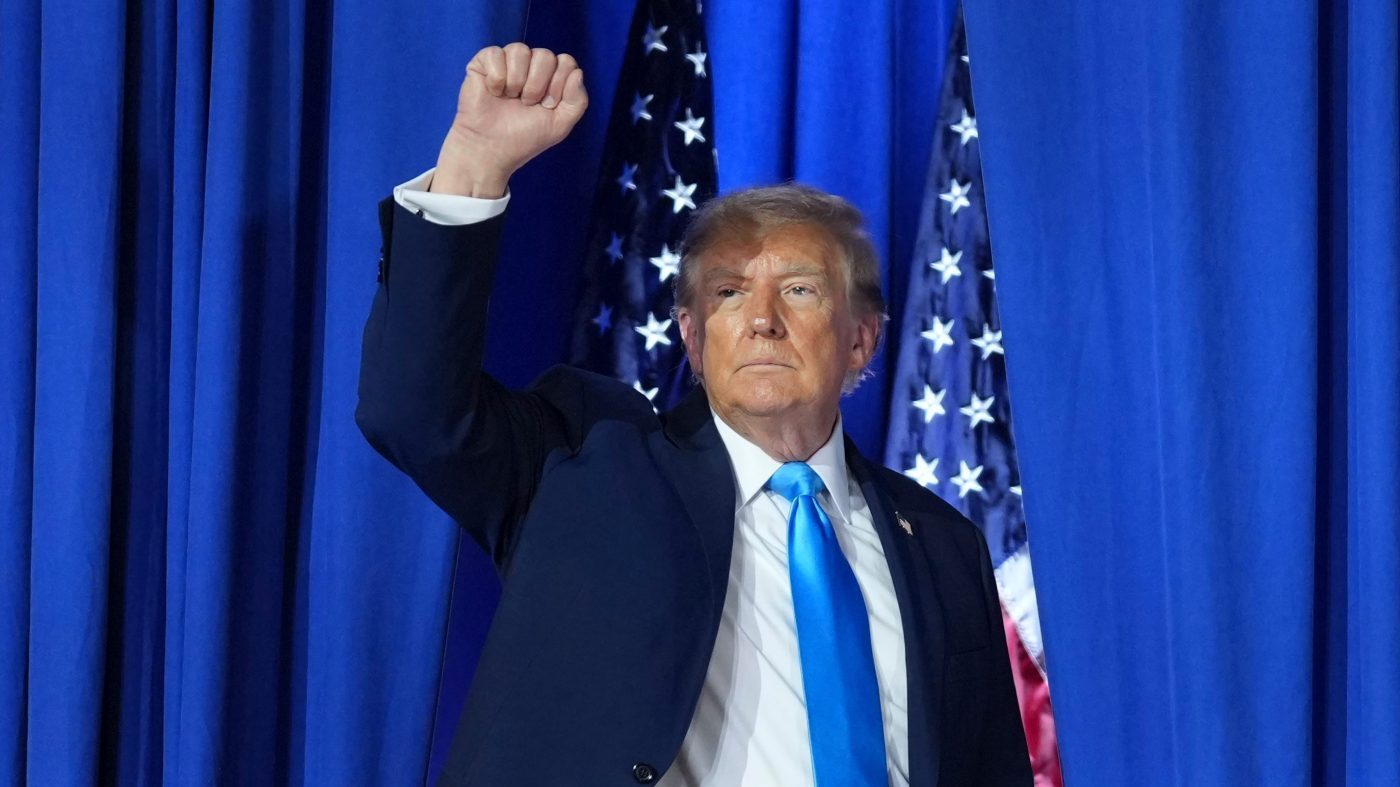
The request comes amid broader debates over the agency's future. President Trump has previously floated merging USPS with his administration, calling the agency a “tremendous loser” of money. The idea drew sharp opposition from Democrats, who worry that such a move could undermine the mail service's independence and lead to delivery problems, particularly in rural areas.
The financial strain on USPS mirrors broader fiscal challenges facing the federal government, as highlighted by recent reports on the soaring national debt and calls for fiscal restraint from state governments. Meanwhile, other federal agencies are also under scrutiny, with a bipartisan bill aiming to move the Secret Service out of the Department of Homeland Security after threats against Trump.
Steiner's plea for congressional action comes as USPS continues to grapple with declining mail volumes and rising costs. The agency's ability to adapt will depend on whether lawmakers can agree on a path forward before the cash runs out.