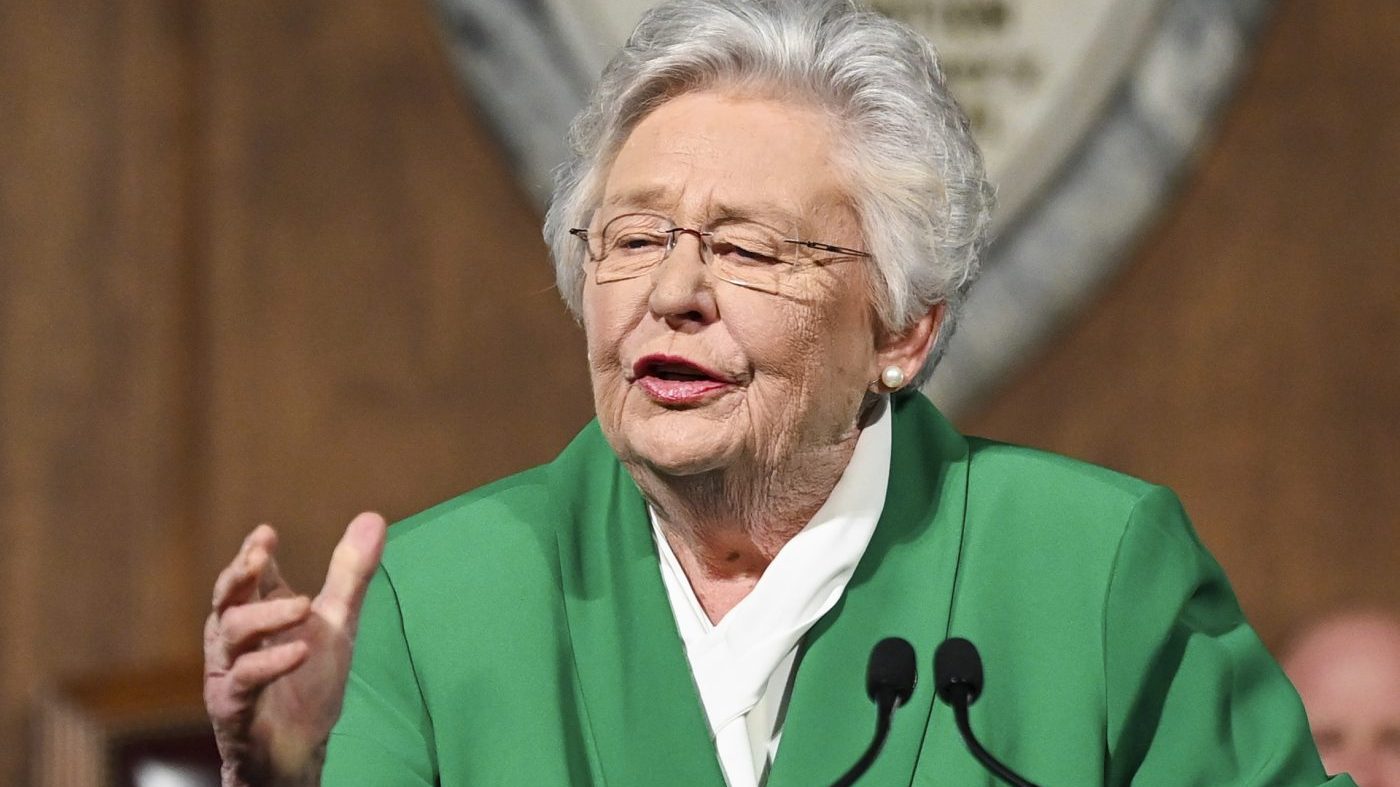
Alabama on Friday filed an emergency request with the Supreme Court, seeking approval for a redrawn congressional map that could bolster Republican prospects in the upcoming House elections. The move came hours after Governor Kay Ivey (R) signed the map into law, which state legislators crafted in response to the high court's recent ruling in a Louisiana case that curtailed the Voting Rights Act.
Legal Maneuvering Intensifies
The state argues that the Supreme Court's decision—which limited the ability of plaintiffs to force majority-minority districts—should allow Alabama to scrap the court-ordered boundaries that increased Black voting power. Those boundaries, imposed by a federal judge, led to the election of Democratic Representative Shomari Figures. Alabama Attorney General Steve Marshall (R) wrote to the justices, stating, “After enacting a racial gerrymander, Louisiana is now free to hold elections under a lawful map consistent with its policy goals. Alabama seeks the same opportunity.” He requested a ruling by Thursday.

Redistricting Frenzy
This emergency filing adds to a whirlwind redistricting cycle as states race to finalize maps ahead of the November midterms. On Friday, Virginia’s top court struck down a Democratic-drawn map for procedural flaws, a decision that drew sharp criticism from Senator Mark Warner. The Virginia ruling, which preserved a Republican edge, underscores the high stakes of redistricting battles nationwide.
Ivey called on Alabama Republicans to pass the redistricting legislation after last week’s 6-3 Supreme Court ruling that weakened the Voting Rights Act. That decision effectively cleared the way for Louisiana to redraw its map in time for November, but an existing injunction prevents Alabama from doing the same. The irony is that the Supreme Court itself had previously ordered judges to redraw Alabama’s lines in 2023, after finding that the old map—which had only one majority-Black district—violated the Voting Rights Act.
Timing and Opposition
Friday’s legislation allows the GOP map to take effect once the Supreme Court or a lower federal judge lifts the injunction. However, the Alabama State Conference of the NAACP and other groups that secured the injunction are pushing back, arguing that a last-minute change would create confusion because overseas ballots have already been sent for the May 19 primary. The court has ordered them to respond in writing by Monday.
Alabama has signaled it is willing to hold a special primary election closer to November if necessary. In its emergency filing, Marshall’s office argued, “Plaintiffs would have Alabama hold elections under a map that was erroneously ordered at best and unconstitutional at worst. Nothing requires that result. Americans, no less in Alabama, deserve a republic free of racial sorting now, and state officials deserve an opportunity to give it to them.”
Broader Implications
This case is the latest flashpoint in a broader debate over the Voting Rights Act and redistricting. Some experts have suggested that proportional voting systems could protect multiracial democracy from a hostile Supreme Court, but such alternatives remain controversial. As the legal battle unfolds, the outcome could reshape the political landscape in Alabama and beyond, influencing which party controls the House after November.