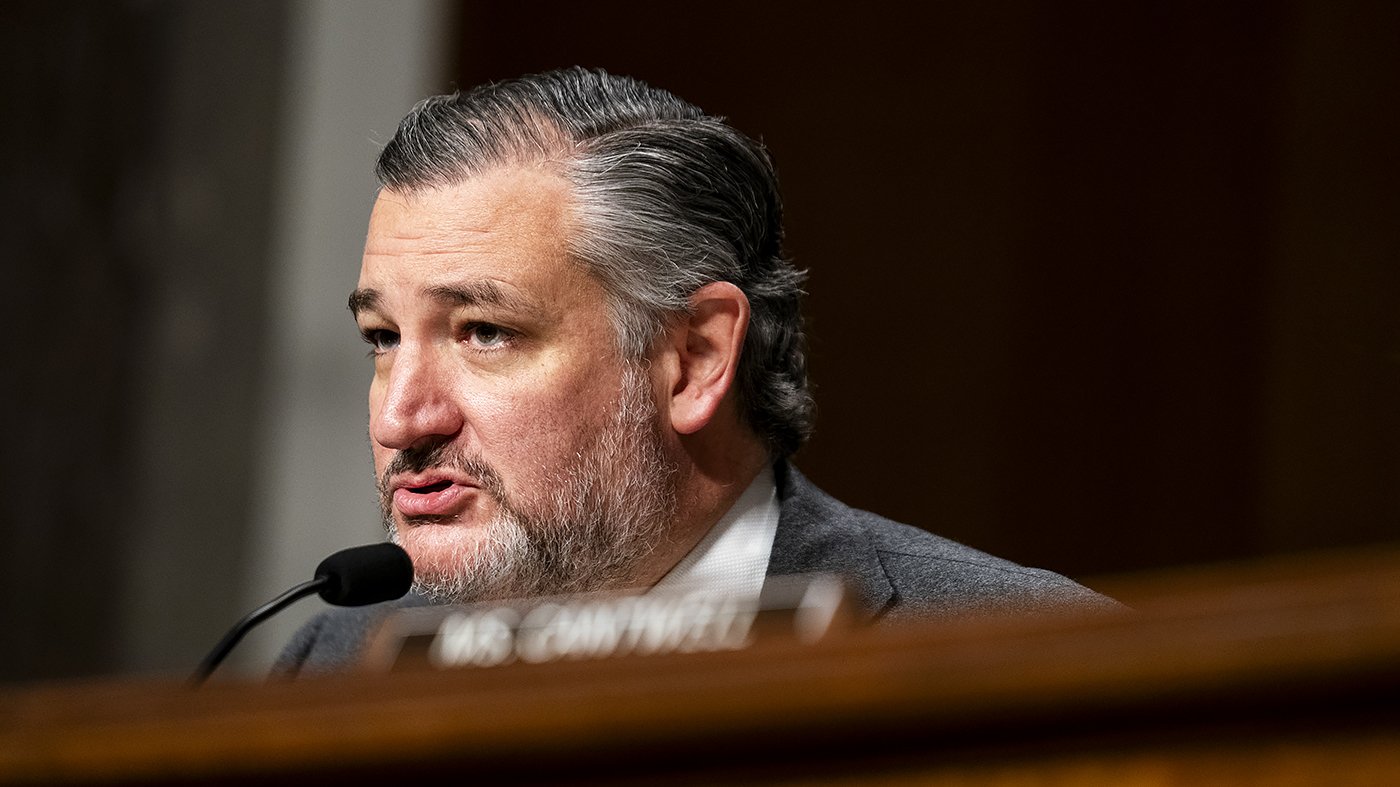
Sen. Ted Cruz (R-Texas) is laying out a long-term strategy to fundamentally reshape Social Security, arguing that the newly created Trump accounts for children born between 2025 and 2028 could eventually allow Americans to divert their payroll taxes into personal investment accounts rather than sending them to the federal government. Speaking at a Milken Institute Global Summit panel in Los Angeles, the Texas Republican framed the accounts as a wedge to break open the decades-old debate over privatizing the retirement system.
“Here’s the dirty little secret: Trump accounts are Social Security personal accounts,” Cruz said, drawing a direct line to President George W. Bush’s failed 2005 push to create private accounts within Social Security. Cruz, who authored the legislation that created the accounts as part of the One Big Beautiful Bill Act signed by President Trump, argued that the program represents a critical conservative victory by stealthily advancing privatization.
“How did we get it done? You remember George W. Bush tried this in his second term and sadly Congress ran for the hills in a display of extraordinary cowardice,” Cruz told the audience. He credited the accounts’ success to targeting newborns rather than retirees: “It’s because we gave the money to babies so the old people didn’t get pissed.”
The accounts, which provide a government-funded investment vehicle for children born from 2025 through 2028, are designed to accumulate savings over decades. Cruz projected that a child born this year could see their account grow to $170,000 by age 18 and $700,000 by age 35, assuming regular contributions and compound growth. “That little girl who is born this year, she’s going to be 70 and the math is if you contribute regularly to it…” he said, emphasizing the long-term payoff.
Cruz predicted that as parents watch their children’s accounts swell, they will demand the same option for themselves. “We’re going to be able to go to parents and say, ‘Hey, you know that Trump account your kid has that you keep seeing the numbers go up and you’re seeing this compound growth, wouldn’t you like to be able to keep a portion of your tax payments that you’re paying already, and instead of sending it to Uncle Sam, wouldn’t you like to have a Trump account just like your kid does?’” he said.
The senator argued that the idea will “catch on like wildfire” within five years, creating a powerful constituency for expanding personal accounts to all workers. He framed the shift as a matter of “opportunity conservatism,” giving Americans more control over their retirement savings. The push comes as Social Security faces a $230 billion cash shortfall in 2026, adding urgency to reform discussions.
Cruz’s strategy revives the core of Bush’s privatization plan, which was abandoned after fierce bipartisan opposition. By starting with children, Cruz hopes to avoid the political backlash that sank earlier efforts. His comments also align with broader White House moves to reshape federal programs, including recent events promoting child investment accounts and a $1.5 trillion Pentagon request that critics call a war budget.
Critics warn that diverting payroll taxes into personal accounts would undermine Social Security’s guaranteed benefits and expose retirees to market volatility. Supporters argue it could boost long-term returns and reduce the system’s reliance on federal borrowing. The debate echoes earlier battles over the hollowing out of the conservative movement under Trump’s influence.
“My prediction is within five years that is going to have a really compelling constituency because people will have seen it,” Cruz said, expressing confidence that the accounts will normalize private investment as a retirement tool. As the Trump administration continues to test the limits of executive power—including firing a mine safety commissioner and sparking a new legal battle—Cruz’s remarks signal a renewed push to overhaul one of the nation’s most entrenched social programs.