As President Trump's second term drags on, the old saying that everything Trump touches dies looks less like a partisan jab and more like a blunt assessment from the field.
Consider the pro-life movement. It was always an odd match: devout, churchgoing activists joining forces with a casino mogul who had been married three times and paid off a porn star. Yet the alliance worked for a while, helping Trump win the White House and securing Supreme Court justices who overturned Roe v. Wade.
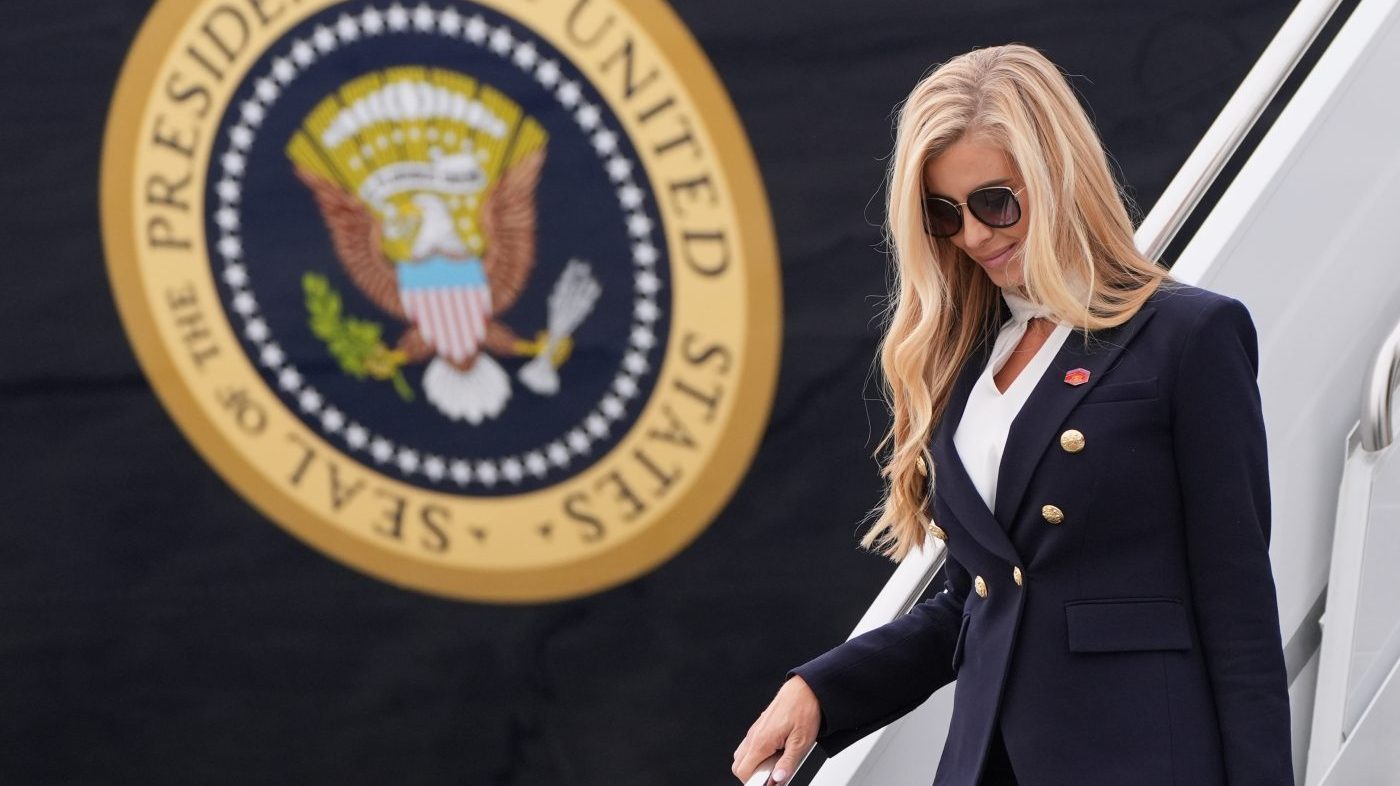
But now, Marjorie Dannenfelser, president of Susan B. Anthony Pro-Life America and once a staunch Trump backer, has broken ranks. She previously called Trump "the most pro-life President in history." Now she says bluntly: "Trump is the problem." Not a problem, but the problem.
She has a point. Since Roe fell, abortion rates have actually risen. Dangerous abortion pills are flooding the market, and Trump's FDA approved a generic version of mifepristone. Columnist David French warned in 2022 that under Trump, "the culture of life lost ground." By 2024, French noted Trump's "follow your heart" advice on abortion was "the most pro-choice position a Republican presidential candidate has taken since at least Gerald Ford."
Dannenfelser's critique, however, goes beyond social conservatives. It reflects a Faustian bargain where the entire conservative movement traded long-term credibility for short-term gains. Once-powerful institutions like the Heritage Foundation, the National Rifle Association, and the Family Research Council now seem ornamental. The same fate has hit free-market groups like the Club for Growth and Americans for Prosperity, which once enforced fiscal discipline but now find themselves sidelined.
Trump's first move was to expose these groups as weaker than they appeared. His second was to co-opt those desperate to stay relevant. The fundamental problem isn't just that Trump lacks deep commitment to conservative causes—it's that he makes everything about himself. As Kellyanne Conway predicted in 2017, CPAC effectively became "TPAC."
Today, advancing a policy idea doesn't go through conservative intellectuals or advocacy groups. It requires a TruthSocial post, a Fox News segment, or a direct line to someone in Trump's orbit. Endorsing a candidate? It works only if Trump agrees. If he picks someone else, the climb is steep. Traditional conservative leaders have been reduced to weak, broken, or sycophantic figures, making it nearly impossible to pass on any legacy.
This hollowing out extends to other areas. Trump's handling of Iran, for instance, has sparked fury among conservative allies who see his ceasefire deals as delusional. As experts warn that Iran war costs are soaring, the conservative movement finds itself unable to offer a coherent alternative. Meanwhile, Trump's peace plan has sparked fury among conservative allies who feel abandoned.
The conservative movement that once set the terms of debate is now a shadow of itself, dependent on a leader who treats principles as optional. The question is whether it can ever recover.