Sen. Alan Armstrong (R-OK) didn't arrive in Washington through the usual political pipeline. He started as an engineer in Oklahoma's energy sector and later ran a company that built and maintained critical infrastructure. That background, he argues, gave him a clear view of a fundamental problem: producing energy means little if you can't deliver it to the people who need it.
Every time tensions spike in the Middle East, Washington frets about gasoline prices. Armstrong says those concerns are real but often mask a deeper truth: the main reason many Americans pay high energy costs isn't foreign conflict—it's domestic failure.
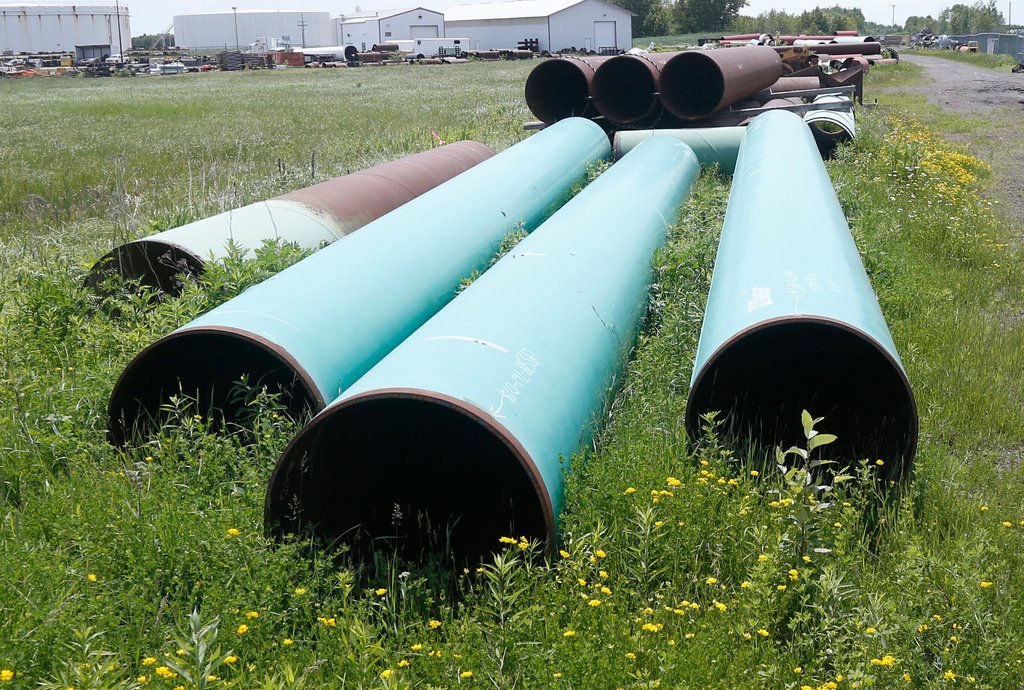
The United States is the world's top producer of oil and natural gas. Yet millions of Americans face prices that rival those in energy-scarce regions, because the country lacks the infrastructure to move supply to demand. Armstrong points to what he calls the "Boston gap": In Pennsylvania, a prolific natural gas region, supply is abundant and cheap. Just 120 miles away in Massachusetts, consumers pay 252 percent more than the national average—$9.70 per unit versus $2.75. That disparity isn't driven by global markets, he says; it's the predictable result of failing to build pipelines that connect supply with demand.
On the West Coast, the situation is even starker. California has become an "infrastructure island," largely cut off from interstate crude and fuel networks. More than 60 percent of its fuel supply now comes from foreign imports, leaving the state exposed to global volatility and gasoline prices more than 30 percent above the national average. These self-imposed costs often exceed the impact of global instability itself, Armstrong argues.
Further proof of the dysfunction shows up in West Texas, where electricity and natural gas prices sometimes turn negative because there isn't enough transmission capacity to move surplus energy to higher-demand markets. "We are simultaneously overproducing and under-delivering," Armstrong writes.
This isn't just an economic problem; it's a national security concern. When regions are cut off from domestic supply, they are forced to rely on global markets and unstable foreign imports, making them more vulnerable to geopolitical shocks. As recent analysis has shown, simply boosting production without fixing delivery systems does little to protect consumers from price spikes.
So why isn't the infrastructure being built? Armstrong blames a permitting process that makes any project vulnerable to years of legal hurdles and escalating costs, discouraging investment and raising prices. After a career watching that process add tremendous costs to those who can least afford it, he saw an opportunity in the Senate to help fix a system many know is broken.
His approach is straightforward. First, he wants to fix the abuse of Section 401 of the Clean Water Act by restoring its focus to legitimate water quality concerns. Second, he aims to end the "build it, then kill it" problem by ensuring courts can't shut down projects after permits have been lawfully issued and construction is underway. Third, he proposes raising the bar for lawsuits by requiring clear evidence of real harm before a project can be blocked. These reforms, he says, would create predictable rules and make it easier to build projects affordably and at scale.
Armstrong acknowledges that the U.S. can't control every geopolitical risk, but it can decide whether its own policies amplify those risks or protect against them. Fixing permitting, he concludes, is the most important step to unlock investment, lower costs, and ensure American energy reaches American consumers.