Kevin O'Leary, the investor and television personality best known for his role on "Shark Tank," is firing back at critics of his proposed data center in Utah, dismissing many protesters as out-of-state agitators. The project, which received approval from Utah's Military Installation Development Authority in April, has drawn hundreds of demonstrators from across the state.
O'Leary took to social media to defend the venture, emphasizing his background in environmental studies. "I'm the only developer of data centers on earth that graduated from environmental studies," he wrote. "I'm pretty aware of what these concerns are." He listed air quality, water usage, heat, and noise pollution as key issues he says the project addresses.

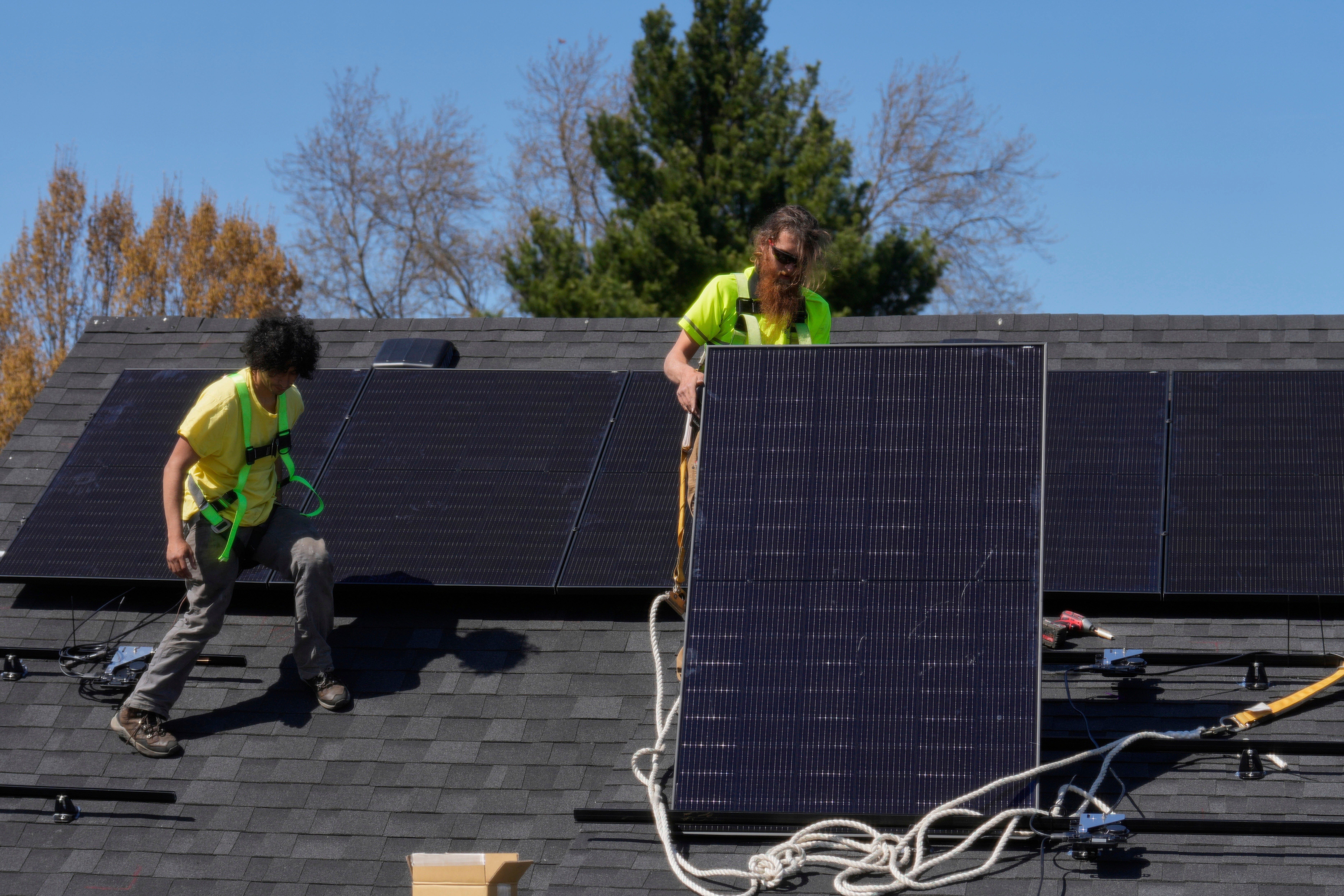
The investor outlined a range of sustainability measures, including the use of air-cooled turbines to reduce water consumption. "We search for the best technology. There's many air-cooled turbines now, so you're blending in air-cooled versus water," O'Leary explained. He also highlighted the potential for integrating solar and wind power with advanced battery storage, noting that battery technology is now 10 times more efficient than five years ago. "That's very helpful because it makes the cost of energy lower," he added.
The proposed site consists largely of privately owned, unincorporated land, which has fueled local concerns about environmental impact and land use. However, O'Leary contends that the project's sustainability focus sets it apart from typical data center developments.
This controversy comes amid broader debates over energy and climate policy. As the Trump administration pushes a fossil fuel agenda, critics argue that worst-case climate planning is being ignored. O'Leary's project, by contrast, aims to position itself as a green alternative, though protesters remain skeptical.
The data center's approval by the Military Installation Development Authority underscores the state's interest in attracting tech infrastructure, but the backlash highlights growing tensions between development and environmental activism. O'Leary's response suggests he is prepared to weather the criticism, leaning on his environmental credentials to make his case.