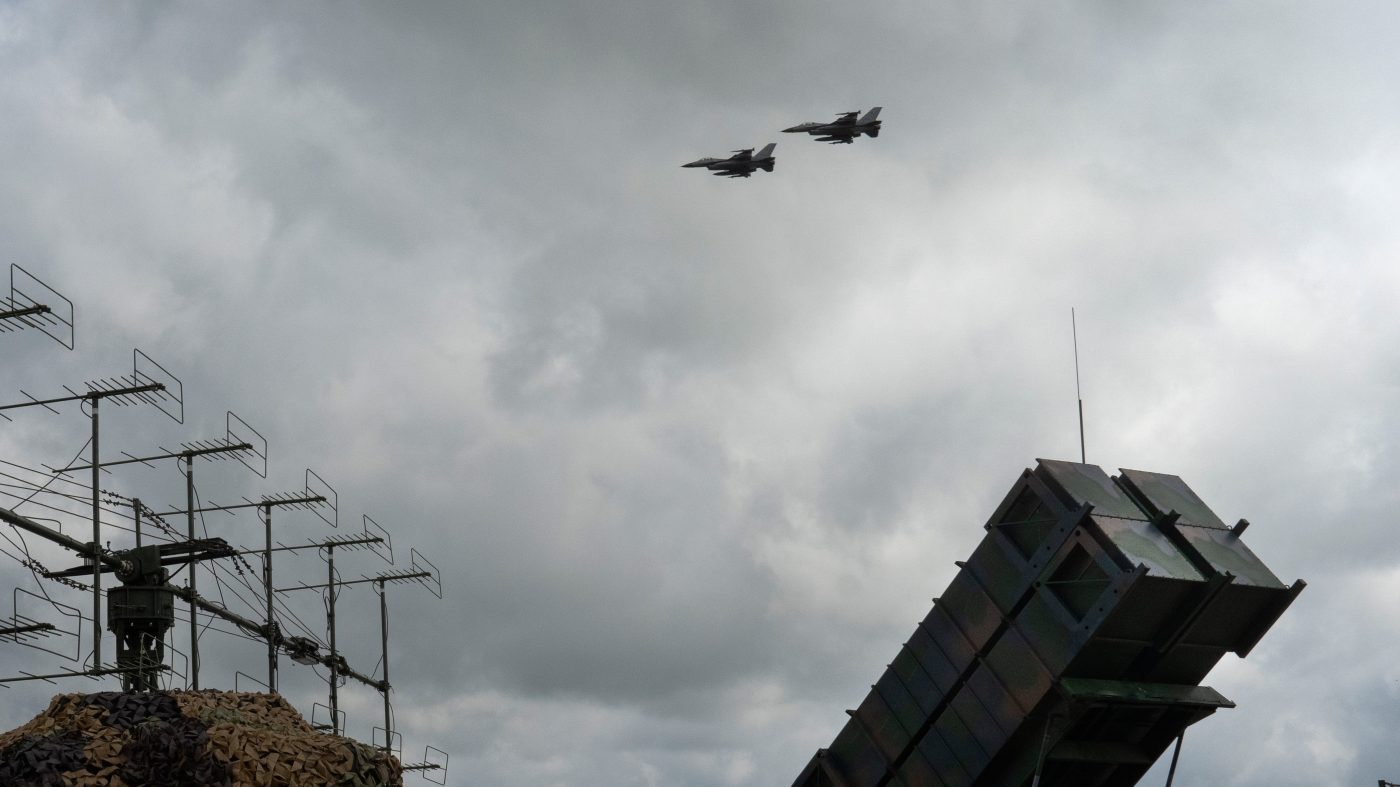
Ten weeks into a conflict that shows no signs of coherent strategy, President Trump's Iran war is inflicting severe economic damage on American households while his administration stumbles through contradictory policy announcements. The latest debacle: Trump unveiled "Project Freedom" on Sunday to escort commercial ships through the Strait of Hormuz, only to reverse course 48 hours later—even as Defense Secretary Pete Hegseth was publicly selling the now-defunct plan to reporters.
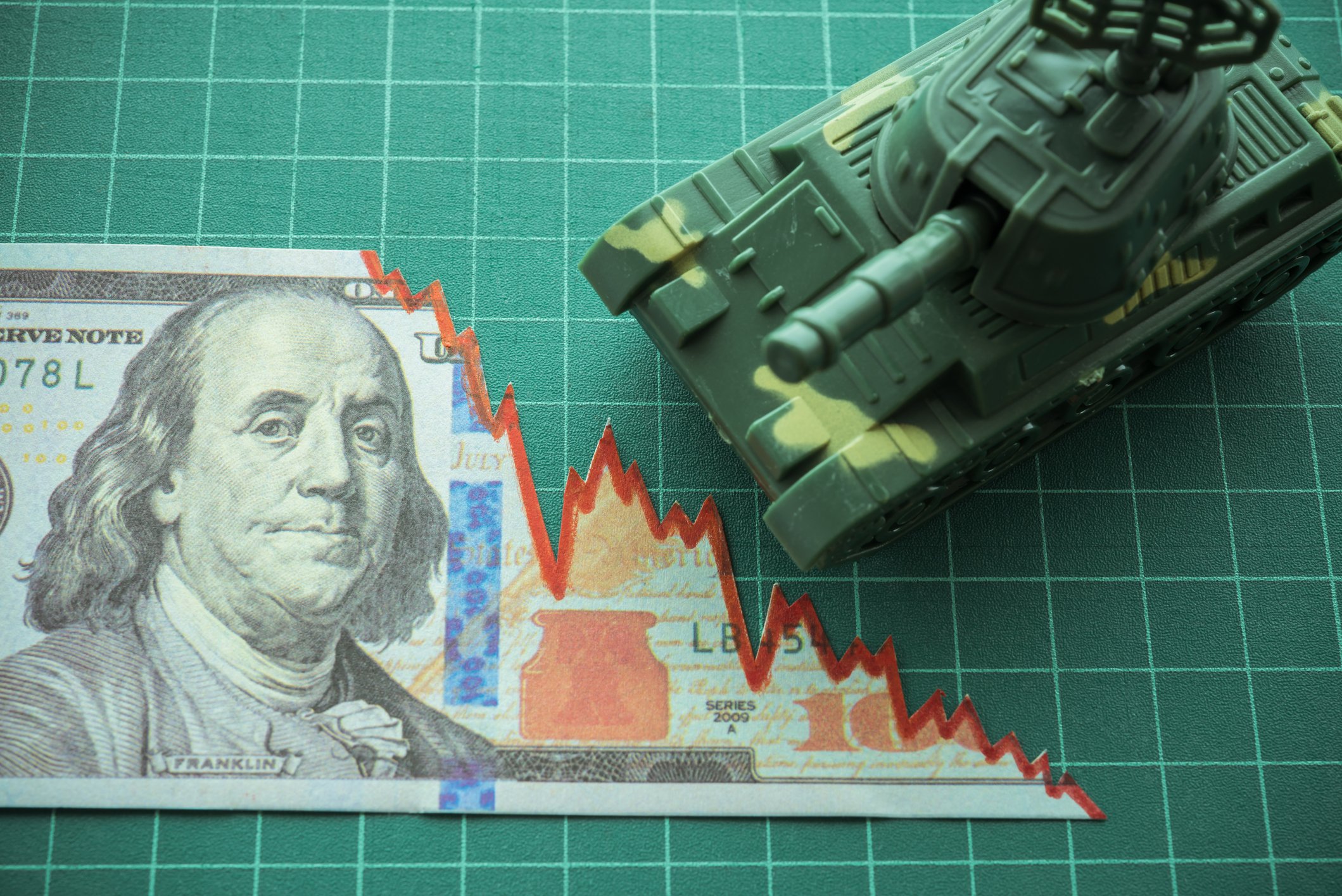
The whiplash has left military leaders, Cabinet officials, and the public baffled. Trump appears increasingly trapped in his own decision-making, with no clear exit or measurable objective beyond rising gasoline prices. Since March, the cost of fuel has surged over 50%, a direct consequence of the strikes. Jet fuel spikes forced Spirit Airlines into bankruptcy, eliminating 17,000 well-paying jobs. Former employee Jorge Luis Camacho, now relying on a GoFundMe campaign, said: "For the first time in my life, I have no idea how to face what comes next."
Economic Toll Mounts
A Goldman Sachs report estimates the war is costing the U.S. economy more than 10,000 jobs each month, concentrated in leisure, hospitality, retail, and manufacturing. Bank of America data shows credit card spending jumped 4.3% in March—the largest increase in over three years—as families pile on debt to cover basic necessities like gasoline. Consumer confidence has plummeted to record lows.
The conflict has already drained $72 billion in taxpayer funds, with Trump expected to request an additional $80 billion to $100 billion from Congress. Yet Republican leaders simultaneously claim there is no money to extend healthcare subsidies for 22 million Americans facing premium hikes. The irony is lost on no one.
Congressional Pushback
Senator Lisa Murkowski (R-AK) has called for a War Powers Act vote, but Majority Leader John Thune ignored her request. Still, she is building support from Republicans including Josh Hawley (R-MO), Rand Paul (R-KY), Susan Collins (R-ME), John Curtis (R-UT), and Todd Young (R-IN). House Speaker Mike Johnson (R-LA) remains a staunch obstacle, blocking any move that might be seen as criticizing Trump.
An Ipsos poll shows a growing majority of Americans oppose the war, yet GOP leaders continue defending a conflict their own commander-in-chief seems unable to explain. As Trump's enablers parrot policies that vanish within days, they risk looking foolish while ordinary Americans bear the cost.
Related coverage: The administration's erratic approach echoes the Abilene Paradox, where envoys head to Islamabad amid conflicting signals. Meanwhile, Trump's abrupt shift to peace talks has drawn skepticism, and a potential deal framework may be emerging.
If Congress has any remaining sense of constitutional duty, it must end this nightmare before more Americans sink beneath the economic waves. The question is whether the spineless MAGA loyalists in the House and Senate will act—or continue to enable a war that is bankrupting the nation.