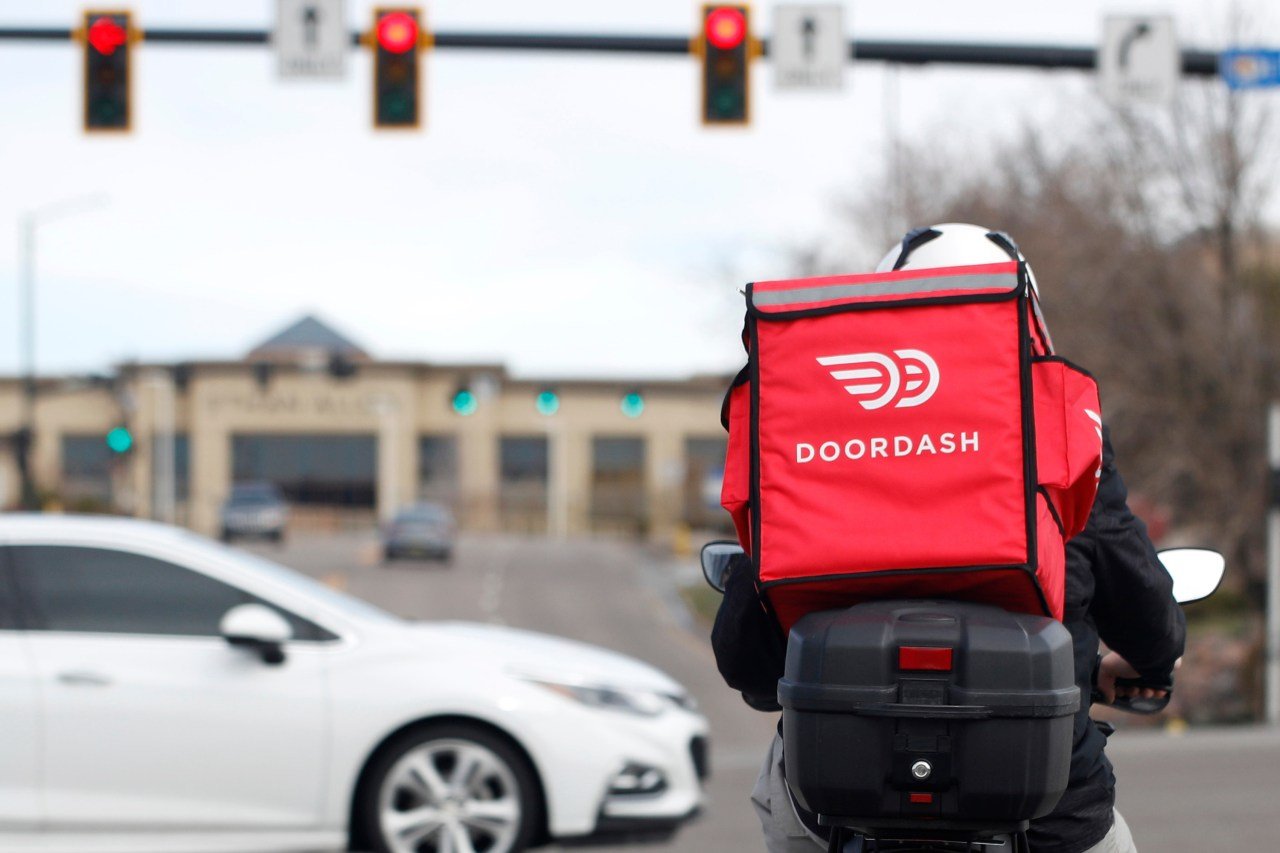
DoorDash announced Wednesday that it expects to spend more than $50 million during the second quarter to help its delivery drivers cope with surging gasoline prices, a direct consequence of the ongoing conflict with Iran. The San Francisco-based food delivery giant had already signaled in March it would offer extra compensation to drivers in the U.S. and Canada through a temporary program aimed at offsetting the sharp rise in fuel costs.
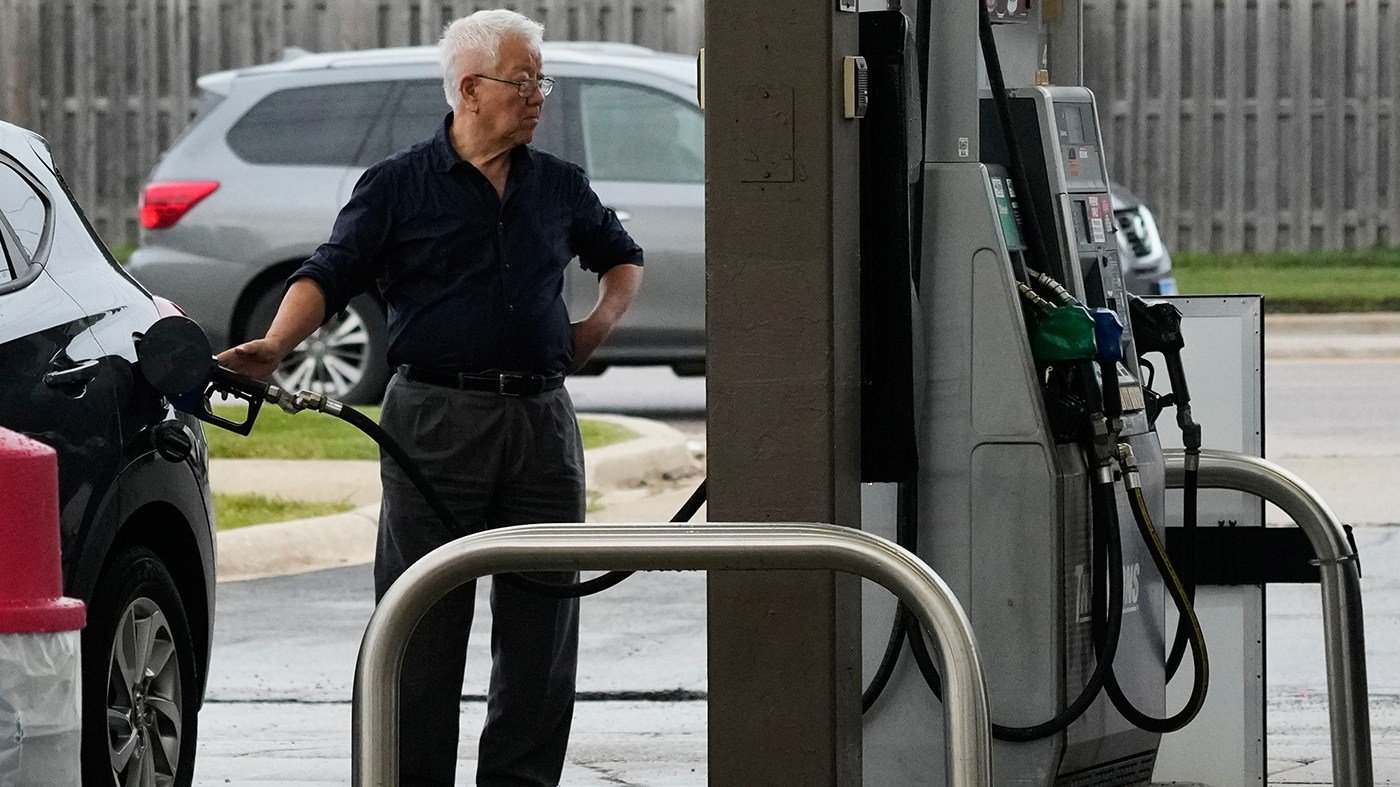
The national average for a gallon of gas stood at $4.53 on Wednesday, a 44% increase from the same period last year, according to AAA. That spike has been driven largely by the Iran war and the resulting instability in the Strait of Hormuz, where U.S. Navy escorts continue to face fire while protecting commercial shipping. The crisis has pushed prices near levels that have drawn promises of relief from policymakers, including Treasury Secretary Scott Bessent, who recently vowed action as the average neared $4.50.
Despite the higher fuel costs, DoorDash reported that demand for deliveries remained robust in the first quarter. Total orders rose 27% to 933 million, though that figure fell short of the 954 million analysts had forecast, according to FactSet. The company attributed the miss to winter storms that forced business closures and dampened demand in several regions.
Revenue also disappointed Wall Street. DoorDash posted a 33% increase to $4.0 billion, below the $4.15 billion analysts were expecting. To fund the gas relief program, the company said it is reallocating investments from other initiatives. In November, DoorDash had outlined plans to spend heavily on new products, including restaurant reservations and robot deliveries.
“We did have to push out some investments … in order to make room for this,” Chief Financial Officer Ravi Inukonda told investors during an earnings call. “If we do decide to extend the program, our goal is to find offsets.”
Net income for the January-March period slipped 5% to $184 million, or 42 cents per share, partly due to a 30% surge in research and development costs compared to last year. Still, that beat the 36-cent per share profit analysts had predicted, sending shares up more than 11% in after-hours trading.
The earnings report comes just a week after rival Uber struck a deal with Expedia Group to allow users to book hotel rooms through its app. Asked whether DoorDash plans a similar move, CEO and co-founder Tony Xu said the company still sees significant room for growth in its core business of restaurant and retail delivery.
“We are a tiny fraction of what’s actually available and addressable, which in some sense means that there’s a large runway and opportunity for us to become even better in breed in terms of what it is that we can offer,” Xu said. “And if we can keep doing that, I think we’re going to be just fine.”