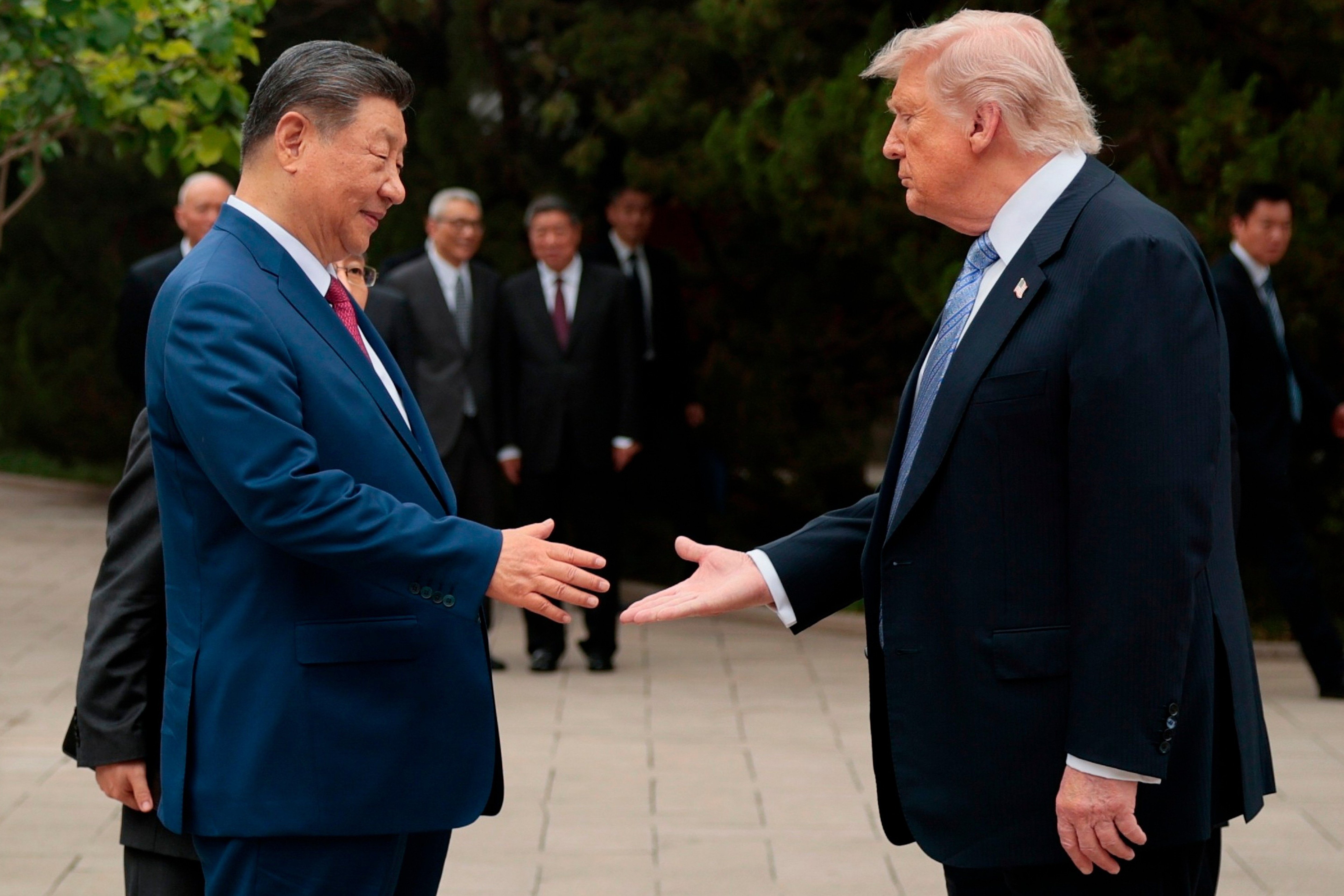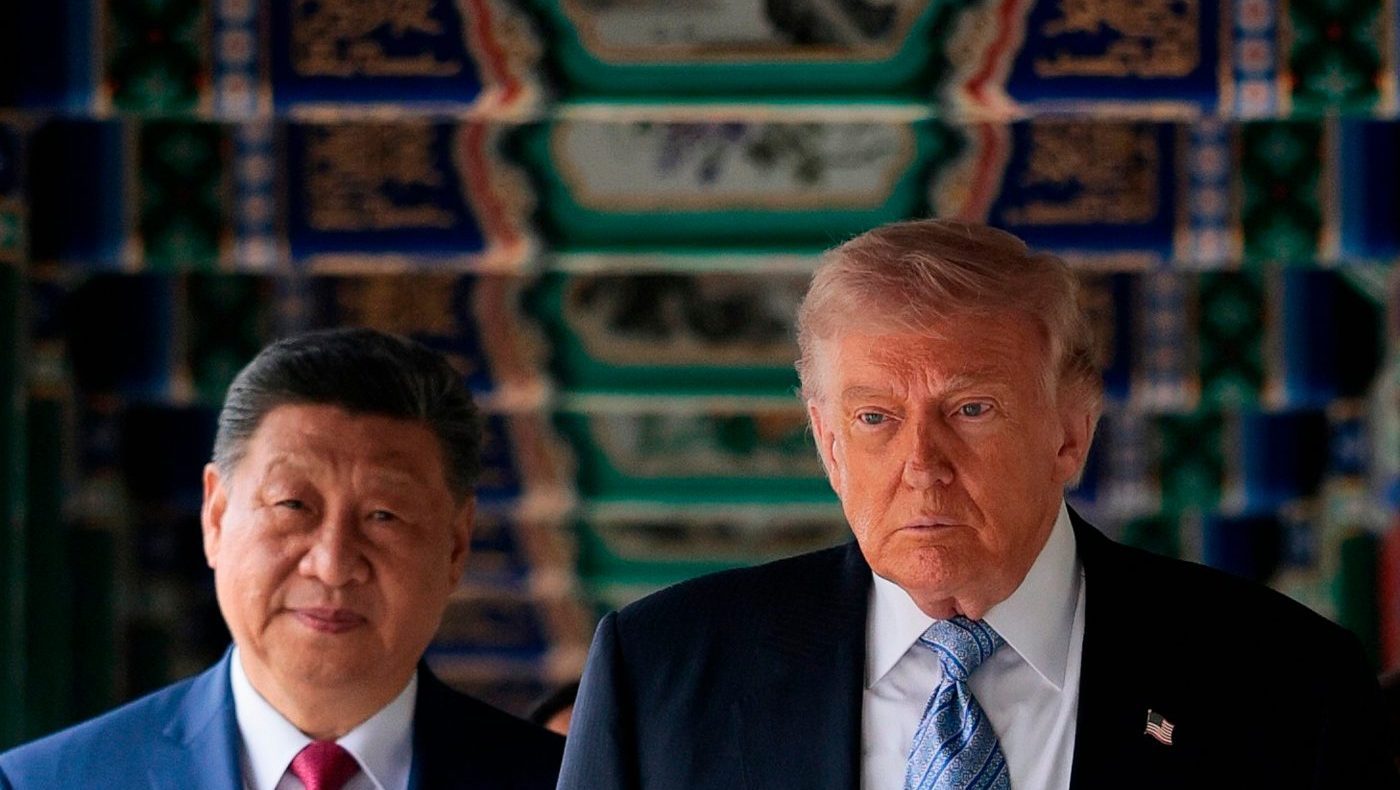
The erosion of American institutions has moved from abstract concern to daily reality under the Trump administration. The recent collapse of the so-called “Islamabad Process”—where the president weighed a 14-point Iranian proposal delivered via Pakistani intermediaries—exposed a profound abdication of professional statecraft. By bypassing the State Department in favor of personal envoys, the White House has replaced the shield of expertise with the brittle vanity of a shadow state.
Rubio Reduced to Figurehead
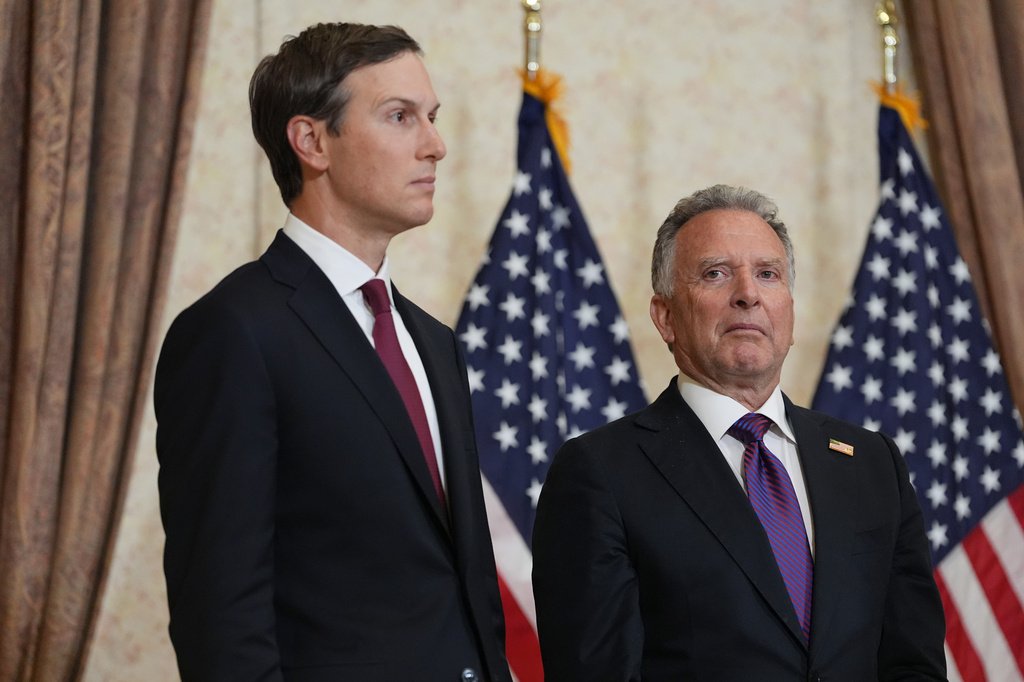
Secretary of State Marco Rubio, once touted as the “Secretary of Everything,” has been marginalized on the administration’s most critical files. Instead of managing complex global crises through institutional memory and congressional oversight, Trump has handed the keys to Steve Witkoff and Jared Kushner. Operating under the newly minted “Board of Peace,” these are not diplomats; they are real estate developers who treat sovereign nations like distressed assets in a foreclosure sale.
The administration’s attempt to project activity by dispatching Rubio to the Vatican to thaw relations with Pope Leo XIV only underscores the problem. Rubio is being utilized as a cultural ambassador and religious fixer rather than the architect of national security. This mirrors the broader pattern of using loyalists for symbolic tasks while real power rests with unconfirmed insiders.
Real Estate Logic Meets Nuclear Diplomacy
The deal-making logic of luxury real estate—where loyalty is the only currency and every conflict is viewed as a property to be liquidated—is catastrophically ill-suited for global security. Diplomacy is a long-term game of managing perceptions, maintaining alliances, and understanding deep-seated grievances. You can flip a hotel in Manhattan by sheer force of personality, but you cannot “flip” a nuclear-armed state.
Recent reports from failed negotiations in Geneva provide a sobering case study. During high-level discussions with Iranian officials, American envoys appeared fundamentally oblivious to basic nuclear enrichment terminology. In one instance, Witkoff reportedly struggled to grasp the purpose of the Tehran Research Reactor, a technical gap suggesting profound lack of preparation. When negotiators refer to the Strait of Hormuz as the “Gulf of Hormuz,” they signal to adversaries that the U.S. is no longer a serious actor.
By ignoring the expertise of non-proliferation specialists, the real estate duo narrowed the president’s options to a binary choice: total capitulation or military strike. This amateurization invites derision from seasoned diplomats in Tehran and Moscow, who are experts at playing the vanities of amateur negotiators.
Institutional Rot Beyond Diplomacy
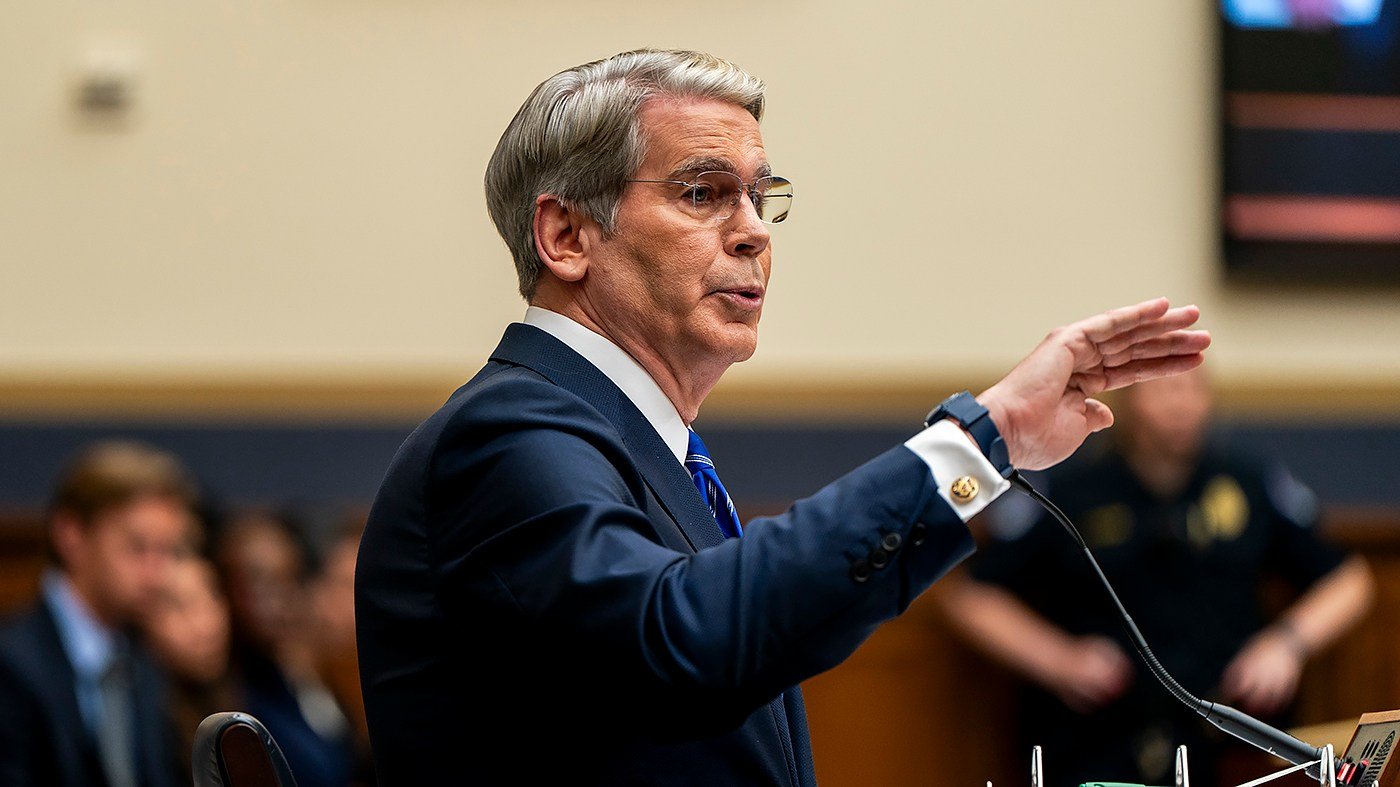
The volatility of this governance model extends beyond the diplomatic corps. Just days ago, a civil contempt resolution was filed against former Attorney General Pam Bondi for defying subpoenas—a stark illustration that even the most prominent loyalists are treated as temporary “leases” on power, discarded the moment they become a legal or institutional liability. Although Bondi has since agreed to appear before the House Oversight and Government Reform Committee, the damage to the administration’s legal front is already done.
The same pattern is visible in the administration’s handling of Ukraine. By bypassing formal diplomatic channels that Rubio is supposed to oversee, the White House has created a shadow state of personal envoys who operate without congressional oversight or institutional memory. These envoys treat sovereign borders as if they were zoning disputes, searching for a quick “close” that prioritizes superficial peace over a durable security architecture for Europe.
A Dynastic Foreign Policy
This approach actually weakens the president’s leverage. When foreign leaders realize the secretary of State is a mere figurehead for religious outreach, they stop dealing with the American government and start dealing exclusively with the “Family.” This turns American foreign policy into a dynastic enterprise, where access is sold as influence and the national interest is subsumed by personal relationships. It also leaves the U.S. vulnerable to manipulation.
Rubio was selected to lead the State Department because he understands the geopolitical chess that defines our era. By benching him on the most vital security files, Trump has signaled that he prefers a world of checkers played by people who only know how to move in straight lines. The State Department is not just another agency to be disrupted; it is the institutional repository of American power. When you hollow out that institution and replace it with a small circle of loyalists, you weaken the nation itself.
For deeper context on related dynamics, see Rubio’s recent moves on Cuba sanctions and the broader economic carnage of Trump’s Iran policy.