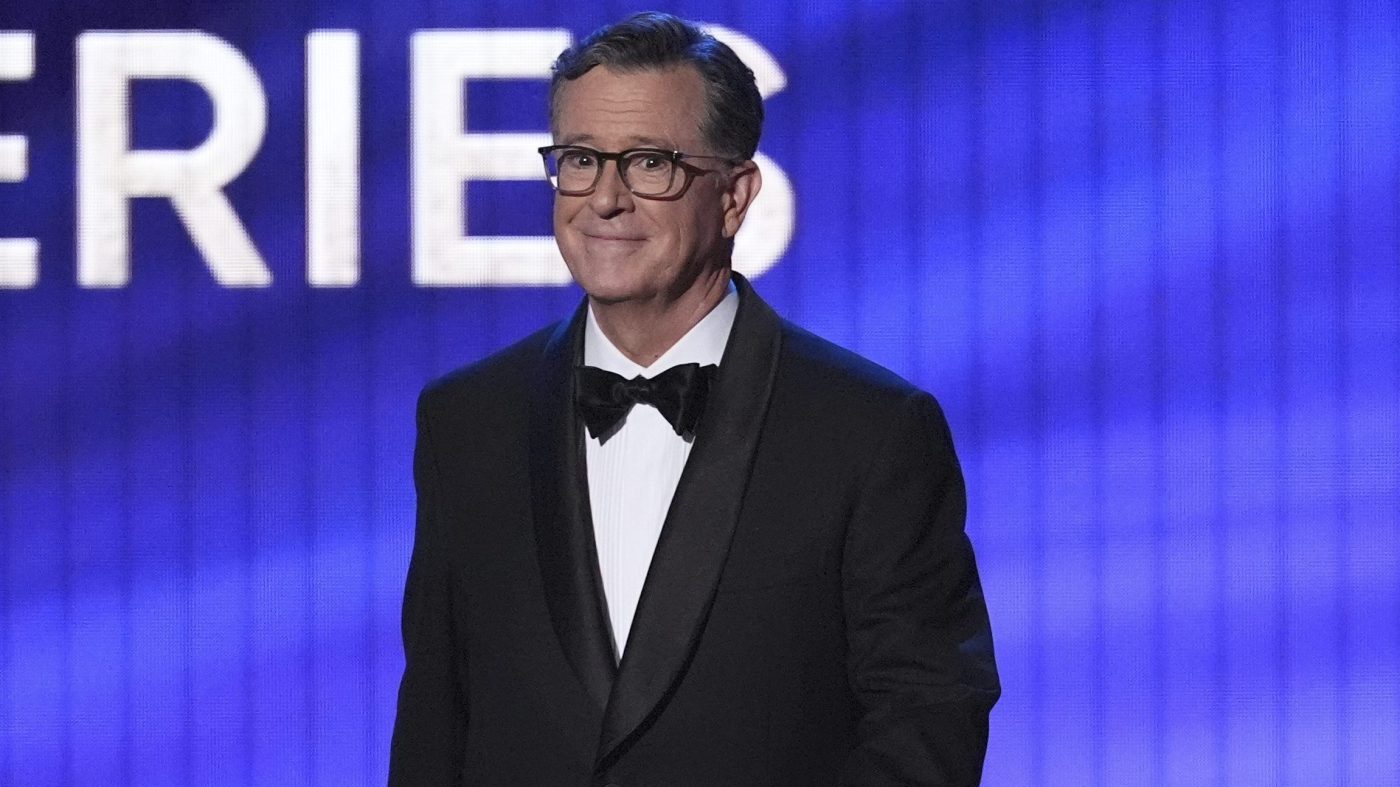
Stephen Colbert is taking a hands-off approach to the future of his CBS time slot, declining to criticize the network's decision to replace his late-night program with a non-traditional show. In an interview with The Hollywood Reporter, the comedian shrugged off questions about "The Late Show" being succeeded by Byron Allen's "Comics Unleashed," a syndicated half-hour format rather than a conventional talk show.
"It's none of my business," Colbert said. "God bless him. I know Byron. We got to know each other last year, actually. He's fascinating." Colbert added that he reached out to Allen after learning of the deal: "When I found out, I wrote him the next morning and I said, 'Hey, congrats. I heard you got the time. Good for you. Wouldn't it be lovely if you could drop Mr. Carson a note?'"—a nod to the late Johnny Carson, whose legacy looms over late-night television.
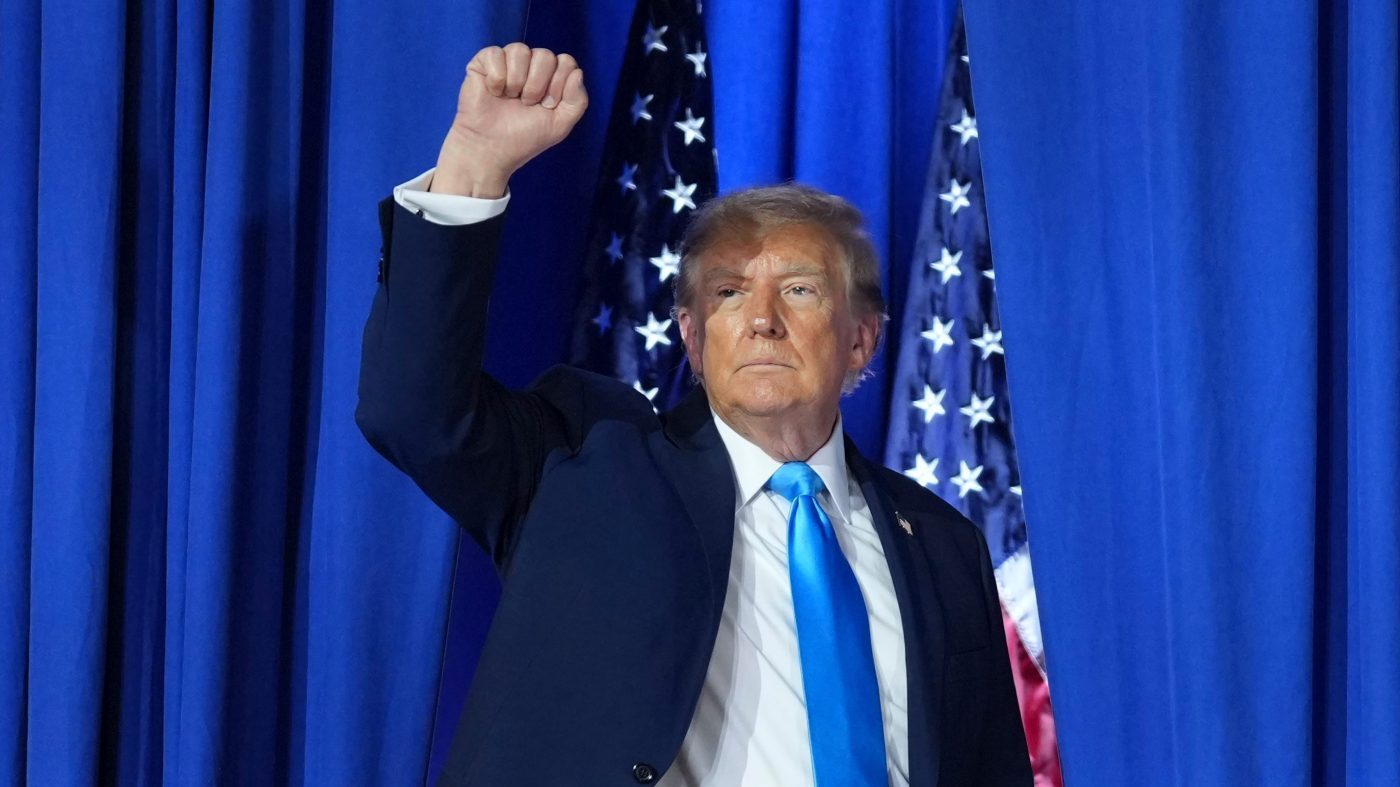
Colbert's own tenure ends this month after Paramount, following its merger with Skydance, canceled the show citing financial pressures. But critics of the Ellison brothers—Larry and David, who control the merged entity—have noted their cozy ties to the Trump administration and Colbert's frequent on-air jabs at the president, raising questions about whether the cancellation had political undertones.
The host has been openly at odds with CBS leadership in recent weeks. He revealed that the network blocked him from airing an interview with Texas Democratic Senate candidate James Talarico, citing the FCC's "equal time" rule—a move Colbert saw as a muzzle. He has also been sharply critical of the Trump administration, though he declined to attend this year's White House Correspondents' Dinner, questioning why anyone would.
Colbert's exit comes amid broader uncertainty for late-night TV. David Letterman, his predecessor and former mentor, recently called CBS "lying weasels" over the cancellation and predicted the end of the format as we know it. Colbert, however, offered a more measured outlook when asked about the genre's future.
"I don't know what it's going to be, and I don't know what I can do to help other than what I did the last 11 years," he said. "But one night I'll turn on the TV and probably no one will be there."
As Colbert prepares to sign off, the network's decision to slot a comedy clip show in his place signals a shift away from the personality-driven late-night model that dominated for decades. For now, the host seems content to let the industry sort itself out—even if he won't be watching.