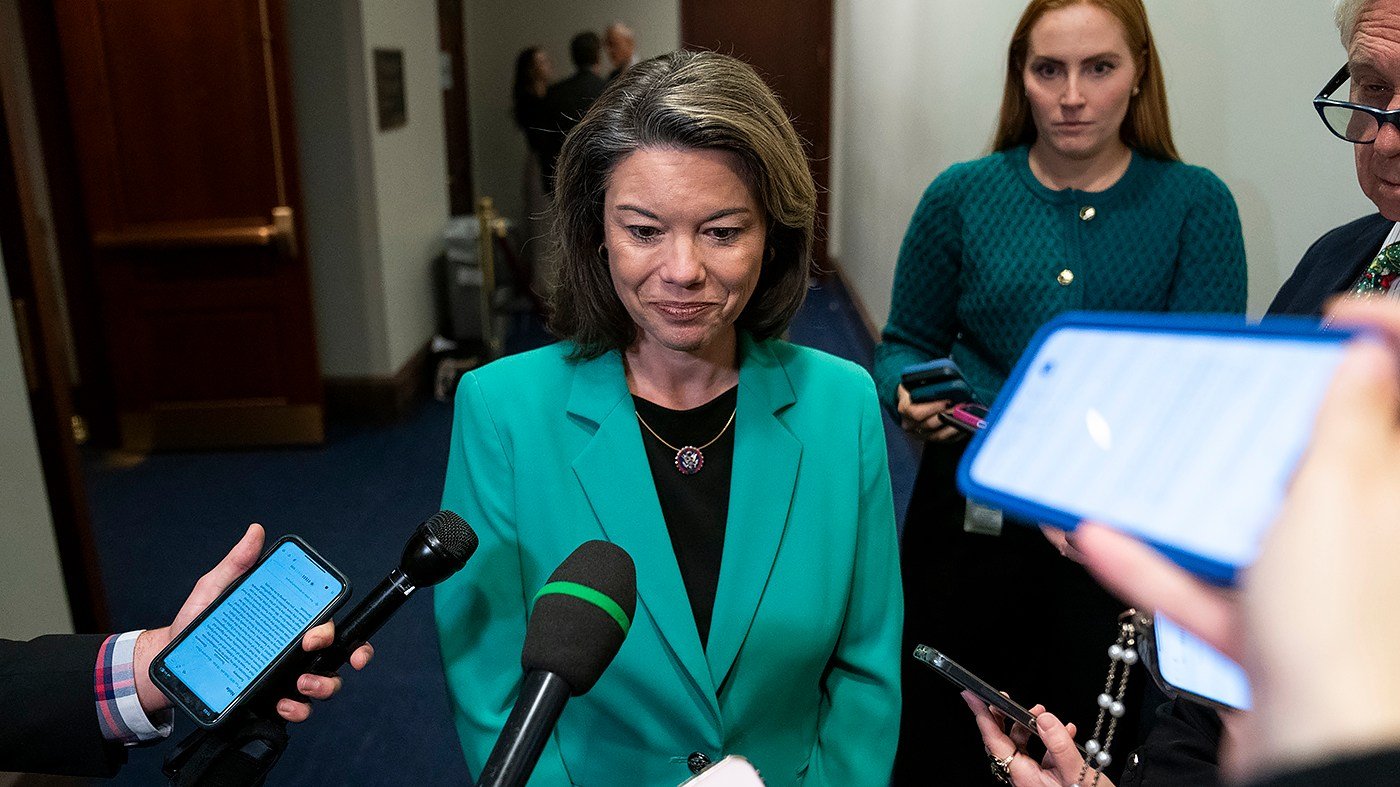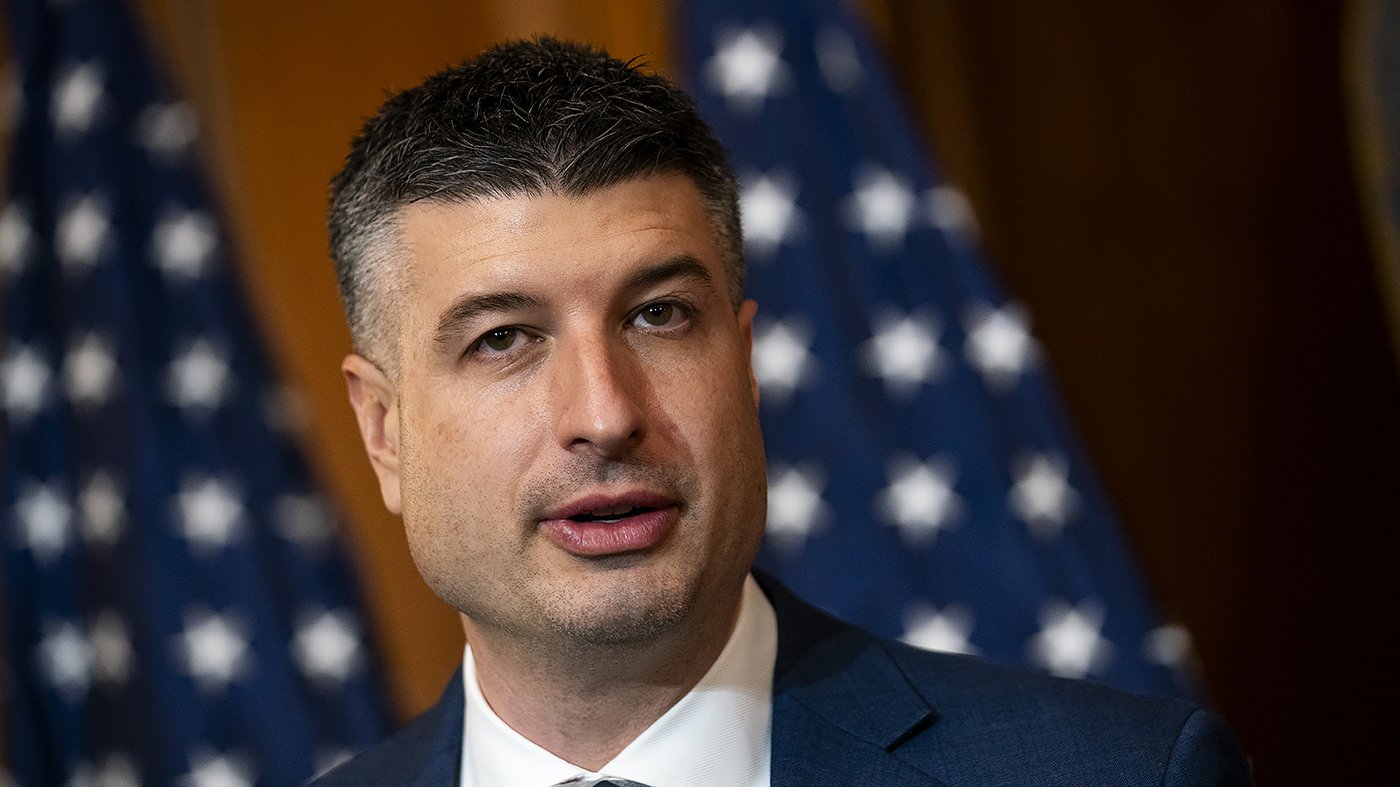
Republican Representative Tom Barrett of Michigan introduced legislation Thursday that would mandate President Trump to conclude the Iran conflict by the end of July and impose strict boundaries on the ongoing U.S. military campaign. The move signals growing unease among Republicans over a war that has dragged on longer than many anticipated.
Barrett, a 22-year Army veteran who served in Iraq and Kuwait, unveiled his Authorization for Use of Military Force (AUMF) while the House is on recess until May 11. The bill permits U.S. forces to “successfully demolish, degrade, or defeat” Iran’s nuclear weapons program, address “imminent threats” to American troops or installations, enforce a naval blockade of Iranian ports—already underway—and ensure safe passage through the Strait of Hormuz for U.S., allied, and other vessels the president deems appropriate.
However, the resolution explicitly bars American troops from engaging in “sustained” ground combat in Iran, occupying or seizing Iranian territory, or undertaking any “nation-building” efforts. “Two things have been clear from the very beginning: Iran cannot be allowed to develop a nuclear weapon and the United States of America cannot be dragged into another endless war,” Barrett said in a statement. “The Commander in Chief has the sole authority to lead our troops in wartime, but I’ve lost too many friends on the battlefield to allow that to happen without Congress exercising its constitutional role to clearly define the mission with safeguards and a deadline. If we don’t learn from our foreign policy failures of the past, we are bound to repeat them.”
Barrett narrowly defeated Democrat Curtis Hertel in 2024 to succeed former Democratic Representative Elissa Slotkin in Michigan’s 7th Congressional District. The nonpartisan Cook Political Report rates his reelection bid as a “Toss Up,” one of only 16 races with that distinction nationwide.
The introduction of this bill is remarkable because virtually all Republicans have stood behind Trump throughout the Iran war, arguing the conflict was justified for national security and that the president had the authority to launch it without congressional approval. Yet it also reflects waning patience on Capitol Hill, even among Trump’s allies, as the military campaign has become a stalemate, driving up gas prices and stoking fears of another prolonged Middle Eastern entanglement—the very scenario Trump campaigned against.
Some lawmakers have argued that Trump’s unilateral authority to use force expired after 60 days under the 1973 War Powers Act, requiring congressional consent to continue operations. But strategies differ on how to respond. Barrett and others are pushing an AUMF to give Congress a voice while supporting the war effort. In the Senate, Republican Lisa Murkowski of Alaska is drafting a similar resolution. Meanwhile, Representative Brian Fitzpatrick of Pennsylvania is backing war powers resolutions that would force Trump to halt all military operations until an AUMF is adopted. Democrats, who have accused Trump of launching an unjust war, support those resolutions to end the conflict but are unlikely to back an AUMF authorizing further operations, citing no evidence of an immediate Iranian threat.
Last Friday, Trump informed Congress that the 60-day War Powers Act deadline did not apply because the U.S. and Iran agreed to a ceasefire on April 7. However, the two sides exchanged fire this week after the Navy launched a since-abandoned mission to escort ships through the Strait of Hormuz.
Barrett’s bill would require the president to submit a report to Congress detailing military operations under the AUMF or other authorities, explaining the legal basis for each action and assessing civilian and military casualties. From February 28 through the ceasefire, U.S. and Israeli strikes killed thousands of Iranian civilians. Seven American service members died from Iranian attacks, and six more died when a refueling plane crashed in Iraq in mid-March.
The AUMF would expire on July 30, with a 30-day extension allowed “only as necessary.” The push comes amid broader Republican infighting over redistricting and other issues, as seen in recent primary challenges to Indiana GOP senators and South Carolina’s extended session to pass Trump-backed maps.