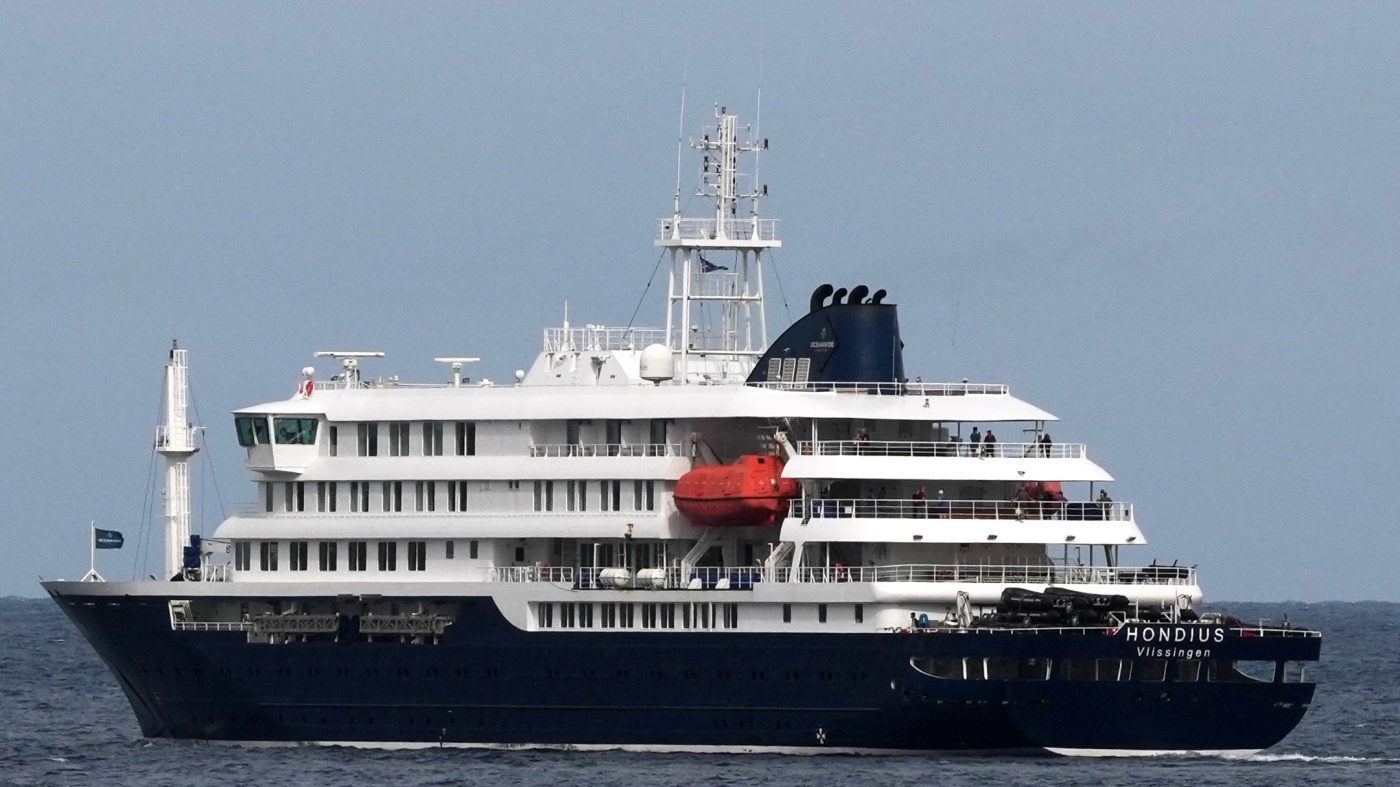
An outbreak of hantavirus on a Dutch cruise ship in the Atlantic Ocean has left three passengers dead and five others sick, stirring anxiety among the public about the potential for another global health crisis. The ship's operator, Oceanwide Expeditions, confirmed no symptomatic individuals remain on board, but the incident has sparked memories of the early COVID-19 pandemic.
What Is Hantavirus and How Does It Spread?
Hantavirus is a rare but serious viral disease transmitted primarily through contact with rodent droppings, urine, or saliva. The strain found in this outbreak, Andes virus, is endemic to South America and is the only hantavirus known to spread from person to person. However, health experts emphasize that human-to-human transmission requires prolonged close contact, such as within households or between intimate partners.

Carlos del Rio, former president of the Infectious Disease Society of America, told reporters, “Most hantaviruses do not spread easily between humans. In fact, there’s very little known of human-to-human transmission.” Still, he cautioned that knowledge gaps remain, citing a Dutch flight attendant who underwent testing after contact with an infected individual.
Experts Downplay Pandemic Fears
Public health officials are urging calm. Maria Van Kerkhove, acting director of the WHO’s Department of Epidemic and Pandemic Threat Management, stated, “This is not COVID, this is not influenza. It spreads very, very differently.” She added, “This is not the start of an epidemic, this is not the start of a pandemic.”
The WHO assessed the risk to the general public as low, with Director-General Tedros Adhanom Ghebreyesus noting the ship is now heading to the Canary Islands and expressing confidence in Spain’s capacity to manage the situation. Jeanne Marrazzo, head of the Infectious Disease Society of America, warned against panic, saying, “It’s not the situation where it’s going to start an outbreak everywhere in the world.”
Federal Response Draws Scrutiny
While the virus itself poses limited risk, health experts are concerned about the federal response. During past outbreaks, including COVID-19, CDC experts would typically deploy to assist the WHO. That has not happened here. Del Rio said, “A lot of the things that you would like to see, we haven’t seen. The silence from our premier public health institution is really concerning.”
The CDC issued a statement late Wednesday saying it is “closely monitoring the situation” and that the State Department is leading a “whole-of-government response.” The agency reported 26 hantavirus cases in 2023, the most recent data available, with 890 total cases since tracking began in 1993. For context on where the disease strikes in the US, see Hantavirus in the US: Where the Rare Rodent-Borne Disease Strikes Most Often.
Passengers, including six Americans, disembarked at St. Helena before the outbreak was recognized. The WHO has evacuated patients from the ship as the death toll rose. For more details on the evacuation, read WHO Evacuates Hantavirus Patients from Cruise Ship as Death Toll Rises to Three.
Experts stress that the Andes virus has a fatality rate of 20–40%, but it remains a rare disease. For a broader look at the outbreak, see Hantavirus Outbreak on Cruise Ship Kills Three; WHO Downplays Pandemic Risk.