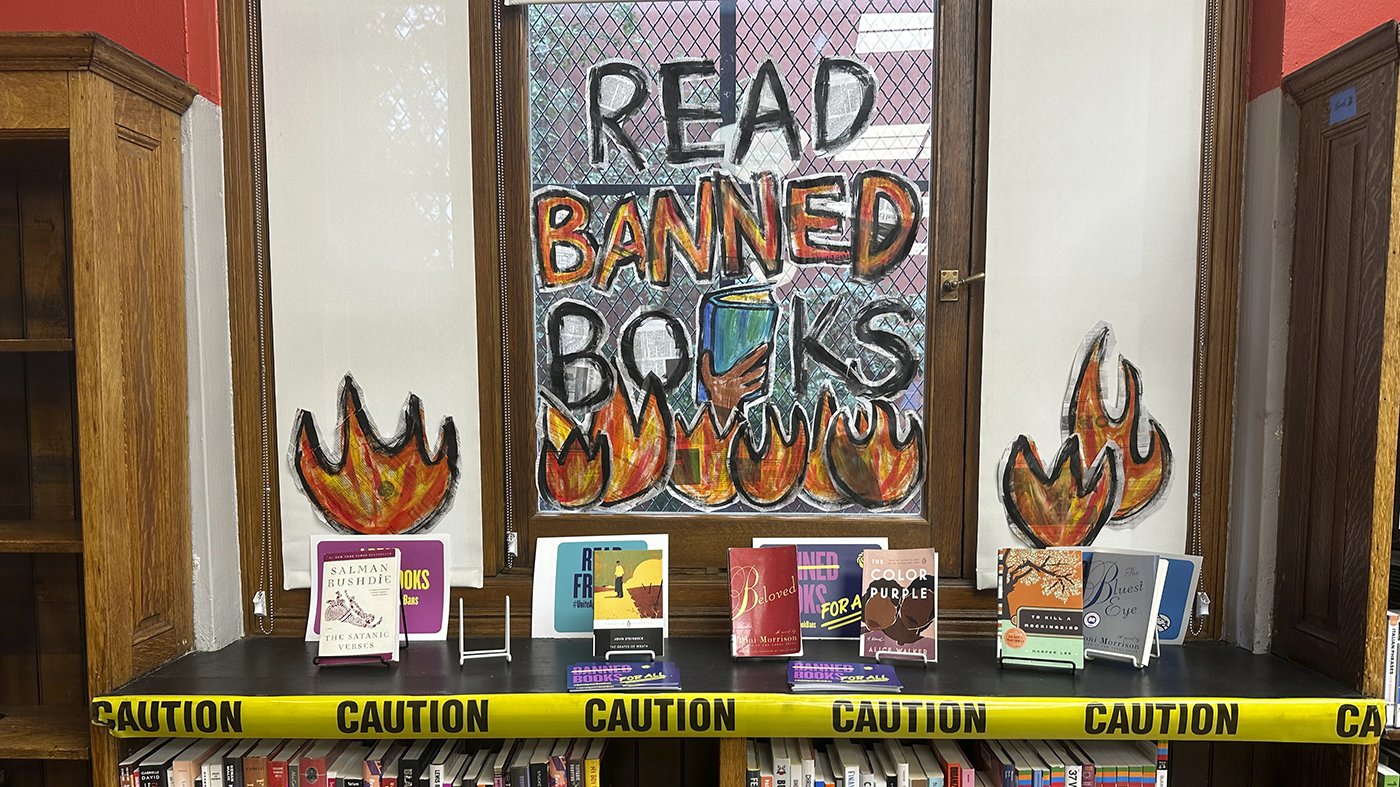
A new analysis from PEN America reveals that the number of nonfiction books banned in U.S. schools doubled during the 2024–2025 academic year, as a federal crackdown on activism and free speech intensifies. The report, titled “Facts & Fiction: Stories Stripped Away By Book Bans,” documents 3,743 unique titles removed from school libraries and classrooms between July 2024 and June 2025—including 1,102 nonfiction works.
According to the report, over half of the banned nonfiction books—52 percent—focused on activism and social movements. PEN America attributed this surge to heightened government pressure on dissent. “This increase should not be a surprise, given the increased crackdown on activism and free speech by the federal government over the last year,” the organization wrote. “These themes encourage young people to question authority and societal inequities, confront injustice in their communities, and participate in social changes to address disparities in the world around them. Suppressing these themes sends a message of discouragement and the need to maintain the status quo.”
The report also warns of a broader anti-intellectualism trend, describing it as a “political attack on facts and knowledge” that mirrors tactics used by authoritarian regimes. “The skepticism and devaluation of, and disdain for, experts and expertise—tactics long associated with the rise of authoritarian regimes and intended to sow distrust in democratic institutions—are now being applied to school libraries,” the report states.
Banned nonfiction titles include Elie Wiesel’s Holocaust memoir “Night,” scholar Elizabeth Baquedano’s “Aztec, Inca & Maya,” and “#WomensMarch: Insisting on Equality” by Rebecca Felix. The report notes that fiction works are also under fire, with dystopian novels like Ray Bradbury’s “Fahrenheit 451” and Suzanne Collins’ “The Hunger Games” frequently challenged, alongside Harper Lee’s classic “To Kill a Mockingbird.”
The findings align with data from the American Library Association (ALA), which reported 4,235 unique titles challenged in 2025, just shy of the 2023 record of 4,240. The ALA also noted a sharp rise in challenges driven by outside groups or officials: from 72 percent to 92 percent of challenges targeting books featuring people of color or LGBTQ themes. Sarah Lamdan, executive director of the ALA’s Office for Intellectual Freedom, explained, “What’s happening is there are these lists that are being made by book reading websites and by national political operatives, and those are shuffling the types of books and the titles that are being listed.”
The trend has drawn comparisons to recent legislative efforts, such as a Congressional bill targeting schools under false claims of pornography, which critics say further stifles intellectual freedom. Meanwhile, the debate over academic rigor and censorship has also surfaced in higher education, as seen in the controversy over Howard University’s Cardi B course.
In response to the growing wave of bans, PEN America will honor a coalition of Tennessee activists at its upcoming gala on May 14. The Rutherford County Library Alliance, based in Murfreesboro, will receive the PEN/Benenson Courage Award. The alliance formed after a local “decency ordinance” passed in 2023 aimed at maintaining “family-friendly environments in public places” and protecting “against harm to minors.” The ordinance was later withdrawn after the American Civil Liberties Union filed a lawsuit alleging it suppressed free speech.
As the battle over school libraries intensifies, experts warn that the erosion of access to diverse nonfiction titles undermines democratic discourse. “These bans are not just about books—they’re about controlling what young people can learn about their world,” said one analyst. “And that has profound implications for the future of informed citizenship.”