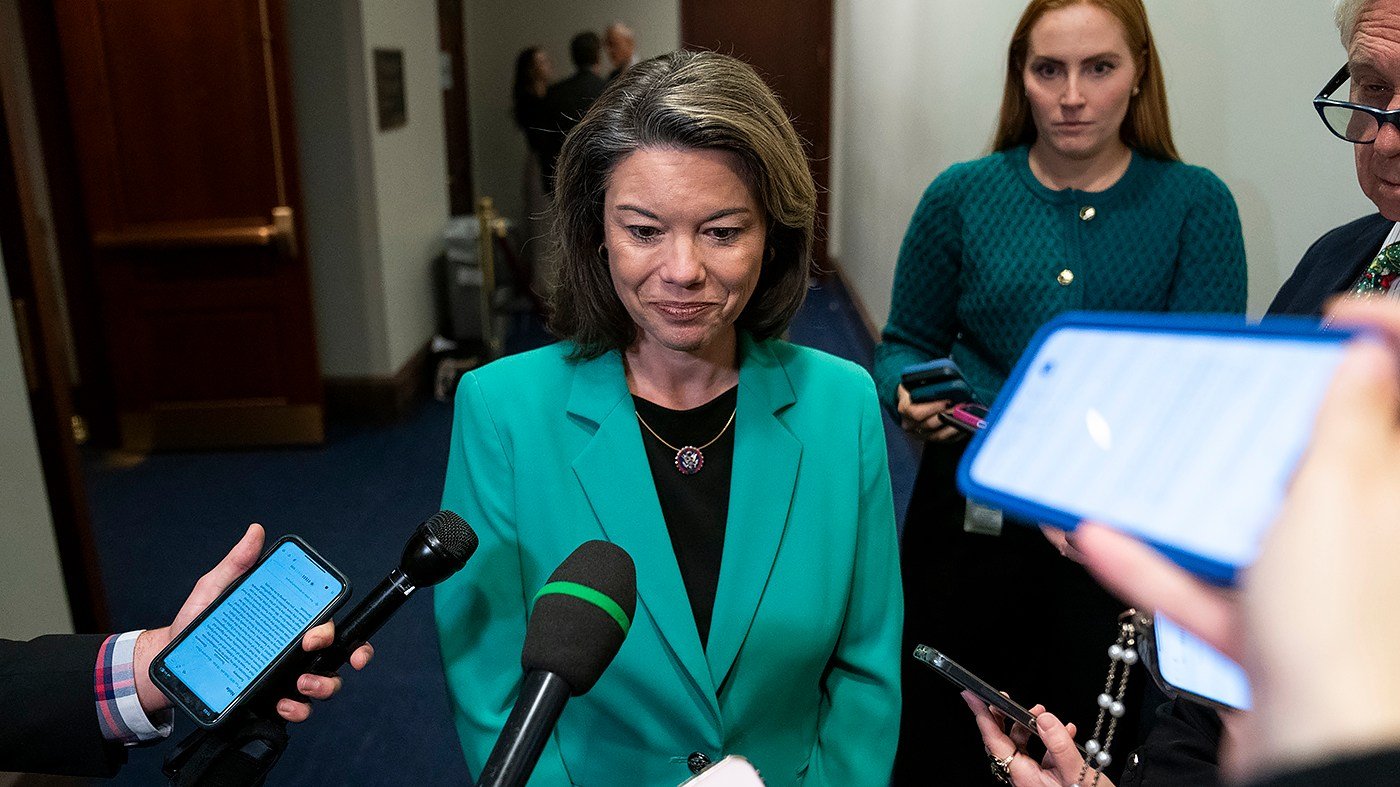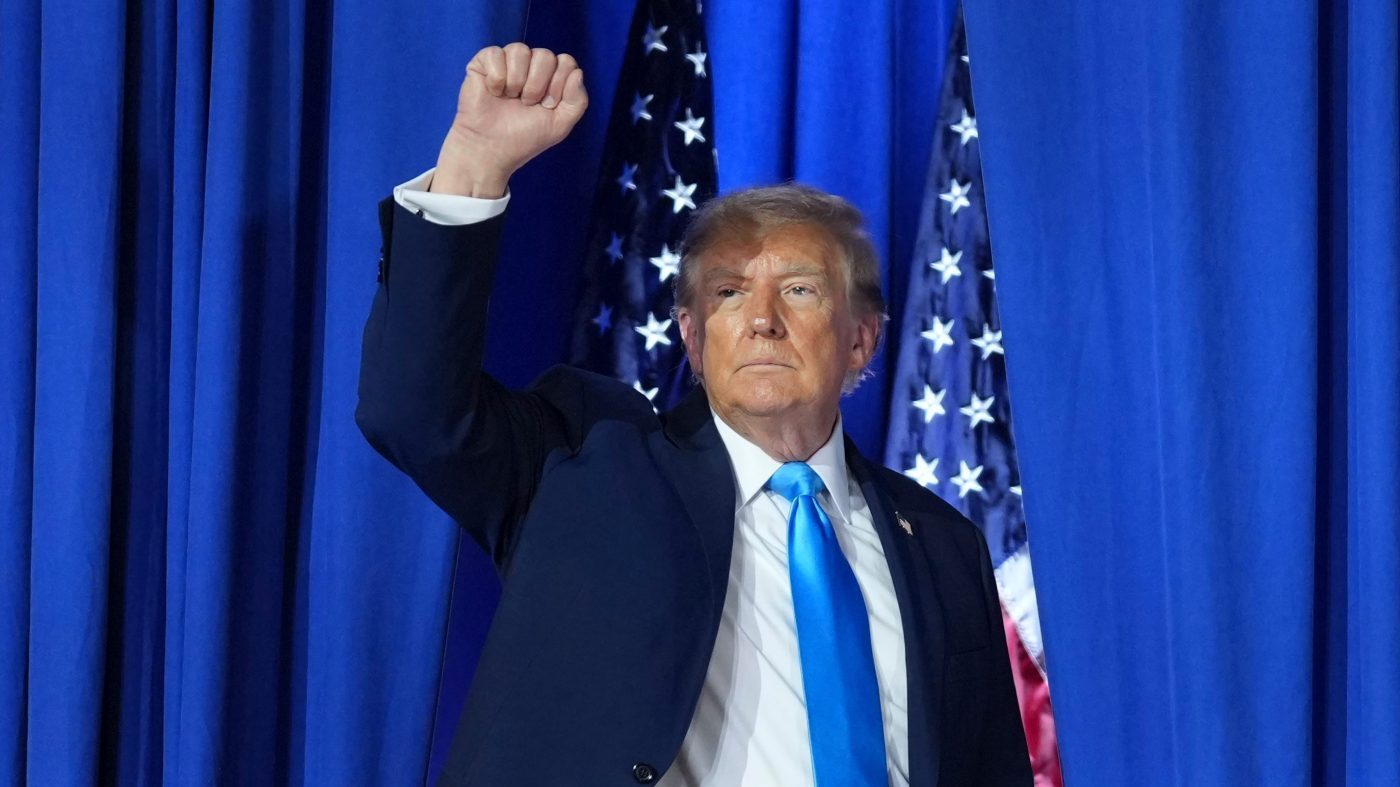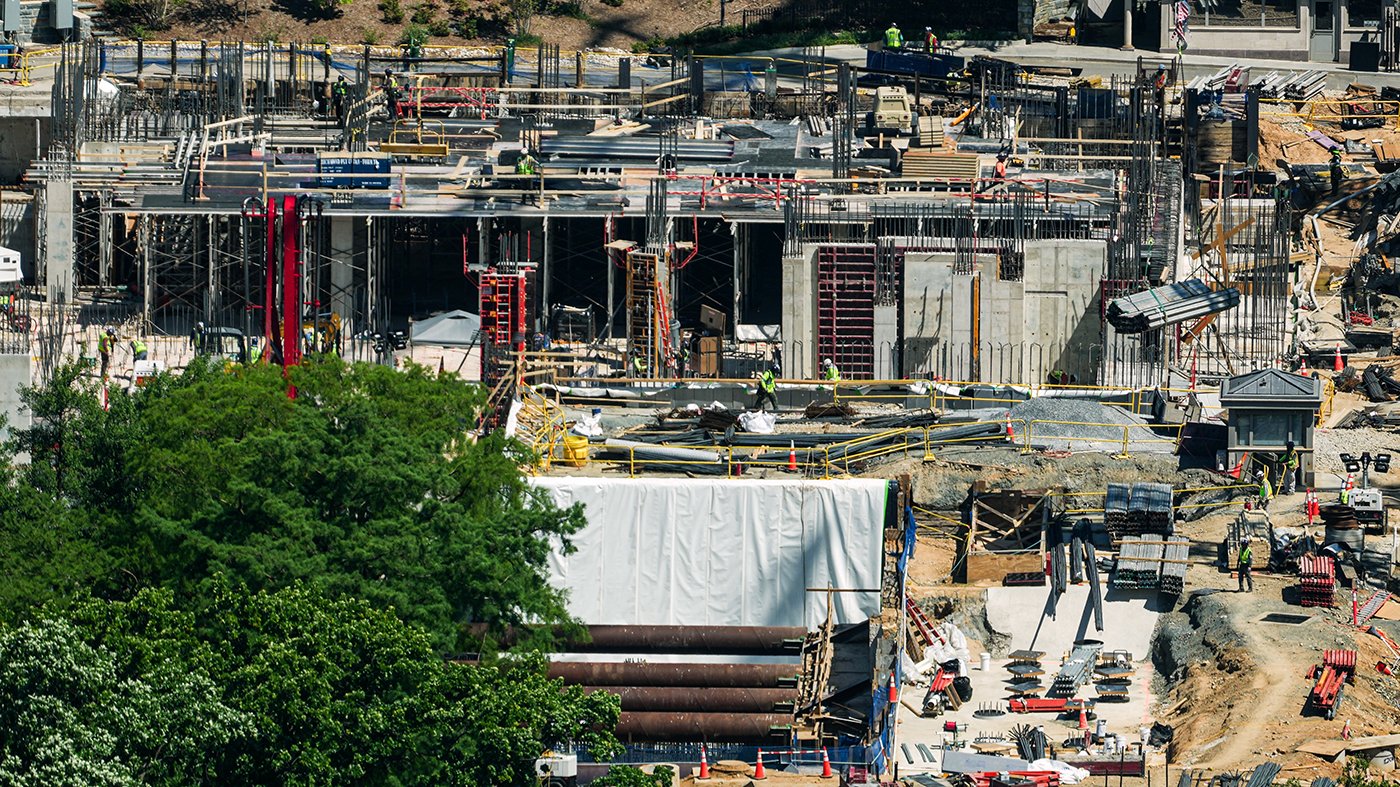
Senate Republicans are grappling with a politically explosive provision tucked into a bill that funds ICE and Border Patrol for the next three and a half years: $1 billion in taxpayer money for security upgrades at the White House ballroom. The proposal, part of a broader budget reconciliation package, has become a flashpoint on Capitol Hill, with GOP lawmakers warning it could backfire in an election cycle where affordability is a top voter concern.
Before the Senate Judiciary Committee unveiled the legislation, Republican senators privately cautioned that linking public funds to the ballroom—a project President Trump initially promised would be privately financed—was a strategic misstep. The bill explicitly states the money is for security enhancements and cannot be used for non-security elements, but that nuance has been lost in the media frenzy and partisan attacks.
Sen. Rick Scott (R-Fla.) voiced support for the ballroom construction but insisted it should be funded through private donations, as Trump originally pledged when he demolished the historic East Wing. “If the White House and Secret Service believe that they need money for construction beyond these private funds they’ve raised, I’m willing to hear them out,” Scott said. He suggested cutting wasteful earmarks or fraud uncovered in states like California and Minnesota to cover any shortfall.
GOP strategist Brian Darling, a former Senate aide, urged Republicans to pump the brakes. “The fact that it’s linked to the ballroom makes it controversial,” he said. “Congress might give them the money, but it’s an unnecessary controversy because the way it was marketed as basically a billion-dollar ballroom.” Darling warned that the optics of funding a venue for high-profile black-tie events while the government runs massive deficits could slow the legislative process.
The White House’s response has only fueled the fire. Administration officials applauded the funding as necessary for “security infrastructure upgrades in relation to the long overdue East Wing Modernization Project.” But critics argue the administration’s definition of security-related costs is too broad. Steve Ellis, president of Taxpayers for Common Sense, called the move a “huge overreach,” noting that money is fungible and the administration has shown a willingness to shift funds where it wants. “Is that stronger I-beams? Is that the glass that the president talked about? You can basically make anything security-related regarding the ballroom,” Ellis said.
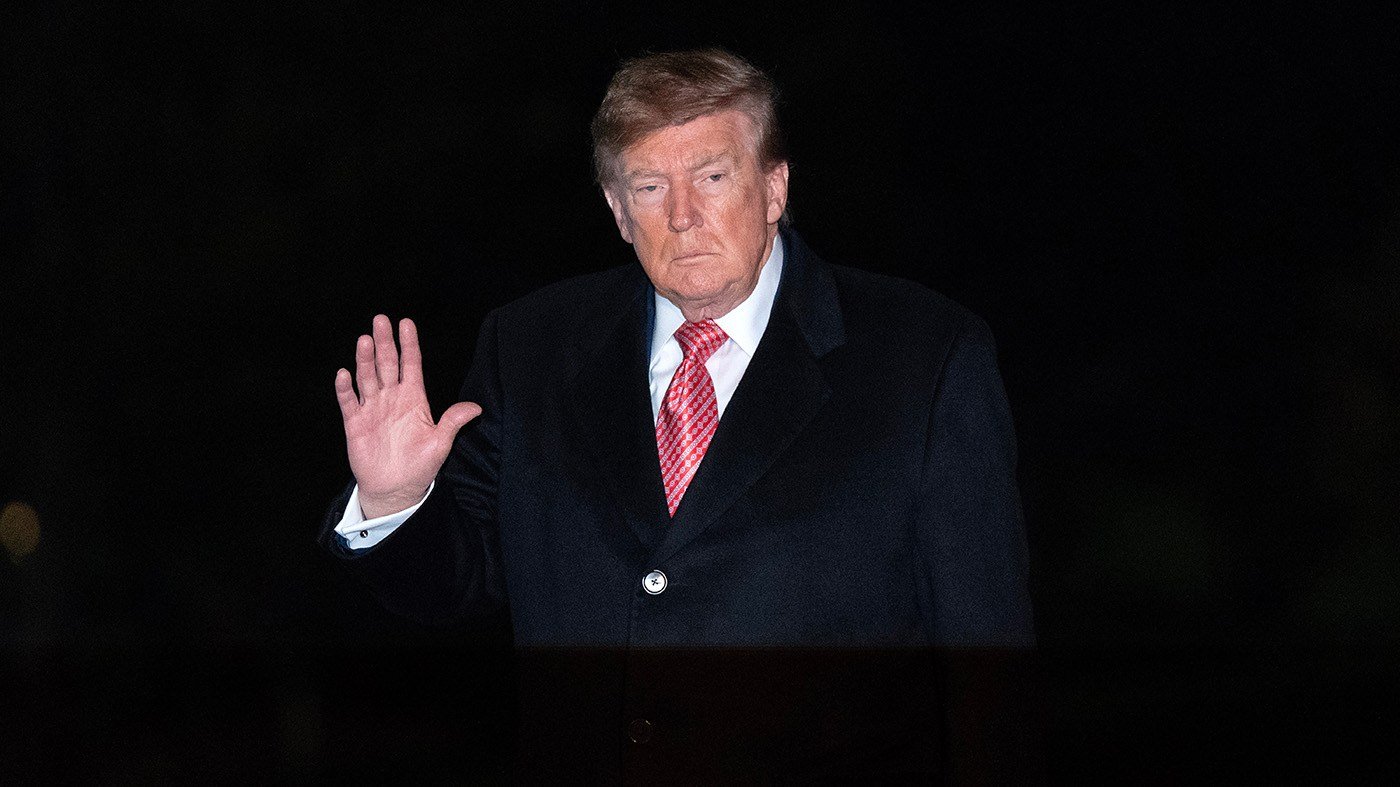
Democrats are seizing on the controversy to hammer Republicans. Senate Democratic Leader Chuck Schumer (N.Y.) said, “Republicans looked at families drowning in bills and decided what they really needed was more raids and a Trump ballroom.” The political attack line echoes broader concerns about spending priorities, especially as the bill’s cost has ballooned from an initial estimate of $200 million to $1 billion. Trump attempted to downplay the increase on Truth Social, claiming the final cost would be “something less than 400 Million Dollars” and blaming “Fake News” for overblowing the numbers.
Republican senators balked last week when Sen. Lindsey Graham (R-S.C.) introduced a separate bill authorizing $400 million for the ballroom and an underground security complex. The internal GOP rift highlights the challenge of balancing Trump’s priorities with fiscal messaging. Ellis predicted a voter backlash: “That’s going to catch in the craw of not just people who are generally opposed to Trump, but I think regular taxpayers.”
The debate underscores the political landmine the ballroom funding represents for Republicans, especially as they push a broader agenda on immigration enforcement. With both parties jockeying for advantage, the proposal’s fate remains uncertain.
For more on the political fallout, read about how Trump's $400M Ballroom Bunker Bid Sparks Democratic Fury and the administration's defense of the project's security rationale.