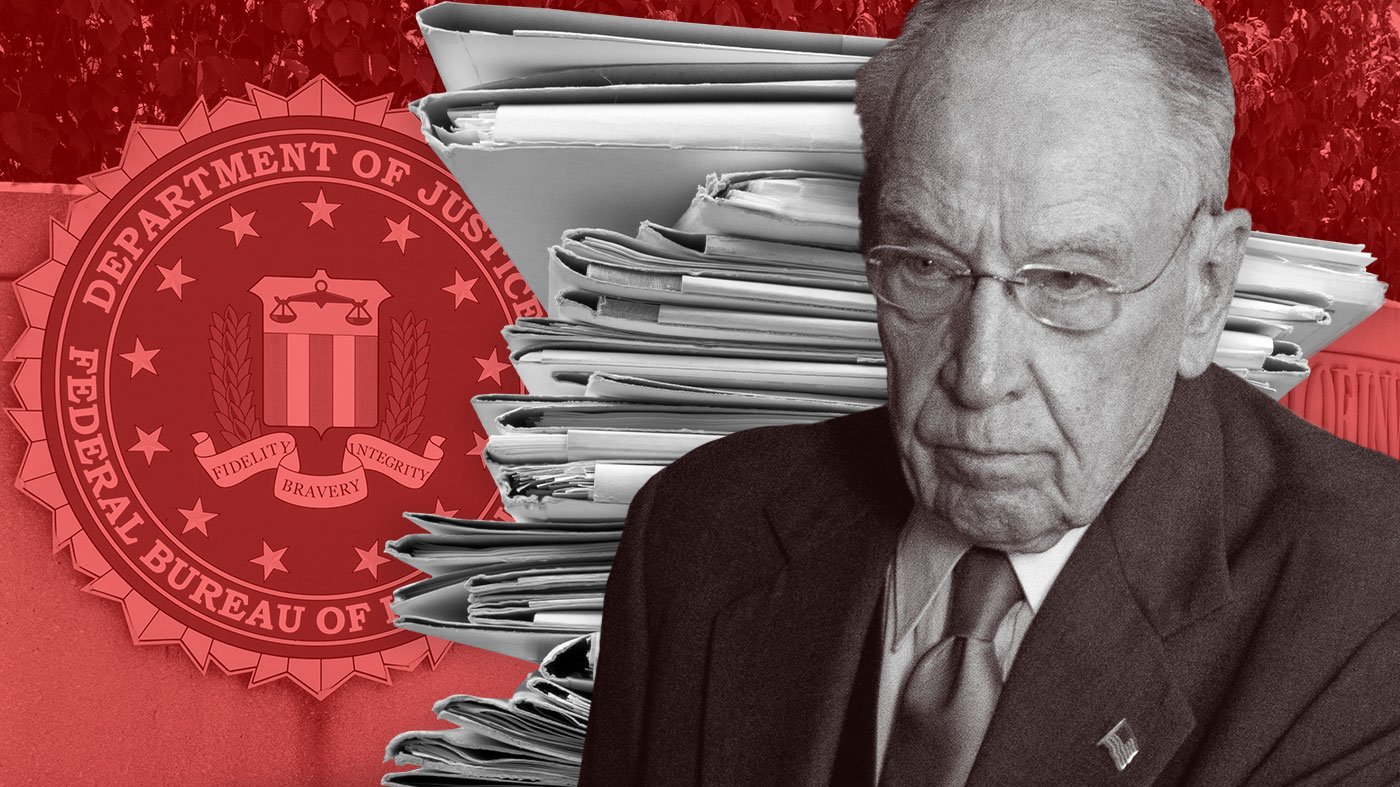
Two lawsuits filed against the FBI accuse Senate Judiciary Committee Chair Chuck Grassley (R-Iowa) of playing a pivotal role in the termination of several agents who worked on former special counsel Jack Smith's investigation into the January 6 Capitol riot. While Grassley is not named as a defendant, the legal actions argue his release of unredacted materials from the criminal probe into President Trump created a hostile environment that led to their dismissals.
Allegations of Retribution
The lawsuits contend the agents were fired solely for their assignment to Smith's team, with one suit describing the bureau's post-hoc characterization of that work as “somehow hostile partisan acts.” The litigation also casts a spotlight on the Senate Judiciary Committee's sprawling investigation into Smith's Arctic Frost probe and Grassley's role in a conservative ecosystem that has long targeted what Republicans call “rot” at the FBI.
Grassley's disclosures have included the unredacted names of agents, which their attorney argues has fueled not just online vitriol but also internal backlash as the bureau undergoes a purge of employees. “It is appalling to me that lawmakers would so carelessly mischaracterize these unredacted disclosures, knowing that the direct result of their actions is to cause an ill-informed online mob to go after honest, hardworking federal law enforcement officers,” said Margaret Donovan, a former federal prosecutor now representing two agents suing the FBI.
Sharp Criticism of Grassley
Donovan did not mince words about the senator’s motivations. “The best-case scenario is that Grassley is so far past his prime, he is clueless as to what he’s doing. The worst-case scenario is that Grassley and others are intentionally trying to harm federal agents who dared to investigate criminal activity, which happened to implicate a political ally,” she added, referencing Grassley’s status as the oldest sitting senator at age 92.
As part of his investigation, Grassley has released extensive documents from Smith’s probe, including subpoenas sent to conservative activists and phone records of senators who reportedly spoke with Trump on January 6. Some of the materials are grand jury records that are typically kept confidential, raising questions about the whistleblowers who provided them to Grassley. The Department of Justice is largely barred from sharing such records with Congress.
Divergent Reactions
To Trump supporters, the documents expose what they see as an unwarranted investigation into the president. But critics argue Grassley is misrepresenting a properly opened probe by selectively releasing limited snapshots. Grassley has maintained that the sensitive documents come from whistleblowers and the FBI, and that he has not coordinated with the bureau on personnel decisions.
Clare Slattery, a Grassley spokesperson, dismissed the lawsuits as part of a “totally false narrative designed to malign Chairman Grassley’s dogged oversight and intimidate the brave whistleblowers.” She added, “Whistleblowers know Chuck Grassley is the sharpest and most seasoned investigator on Capitol Hill who will always defend and protect them.”
The Hill spoke with 10 sources familiar with Grassley’s investigation. The documents released by his office, alongside Sen. Ron Johnson (R-Wis.), include the names of nearly 70 FBI agents and employees, some already known to the public and others whose case histories the bureau is well aware of.
Ecosystem of Pressure
“To those of us who used to be in the organization and know how things used to work, regardless of whether a Republican or a Democrat was conducting the oversight, what we seem to have here is a concerted effort to sully the names of agents in order to create popular support among the administration’s base to justify firing them,” said one former FBI agent who spoke anonymously out of fear of retribution. “The MAGA sphere media gets ahold of the documents from the public releases, starts writing about the named individuals, and a groundswell begins to appear to demand their firing. Inevitably, after this has been allowed to percolate through that ecosystem, the individuals are fired without any sort of real disciplinary due process.”
Grassley has earned praise from both sides of the aisle for his oversight work. House Judiciary Committee Chair Jim Jordan (R-Ohio) called him “the father of the whistleblower legislation,” and Rep. Jamie Raskin (Md.), the top Democrat on the panel, acknowledged his “independent commitment to whistleblowers and to public integrity.” But Raskin also accused Grassley of making selective disclosures that aid “in a very orchestrated way in completely partisan Trumpist plots.” He warned, “We all have to stand up for the rights of whistleblowers, but at the same time, members of Congress should not become transmission belts for conspiracy theories.”
In a related development, Grassley has scheduled a Secret Service briefing on security lapses during a recent White House Correspondents' Association dinner shooting, underscoring his ongoing oversight role. The lawsuits, meanwhile, continue to raise questions about the intersection of congressional investigations and personnel actions at the FBI.