Voters across much of the United Kingdom cast ballots Thursday in local elections that will fill council seats in England and choose members of devolved parliaments in Scotland and Wales. The results are expected to reshape the political landscape, with Prime Minister Keir Starmer's Labour Party facing a potential rout and Nigel Farage's Reform UK party riding a wave of populist anger.
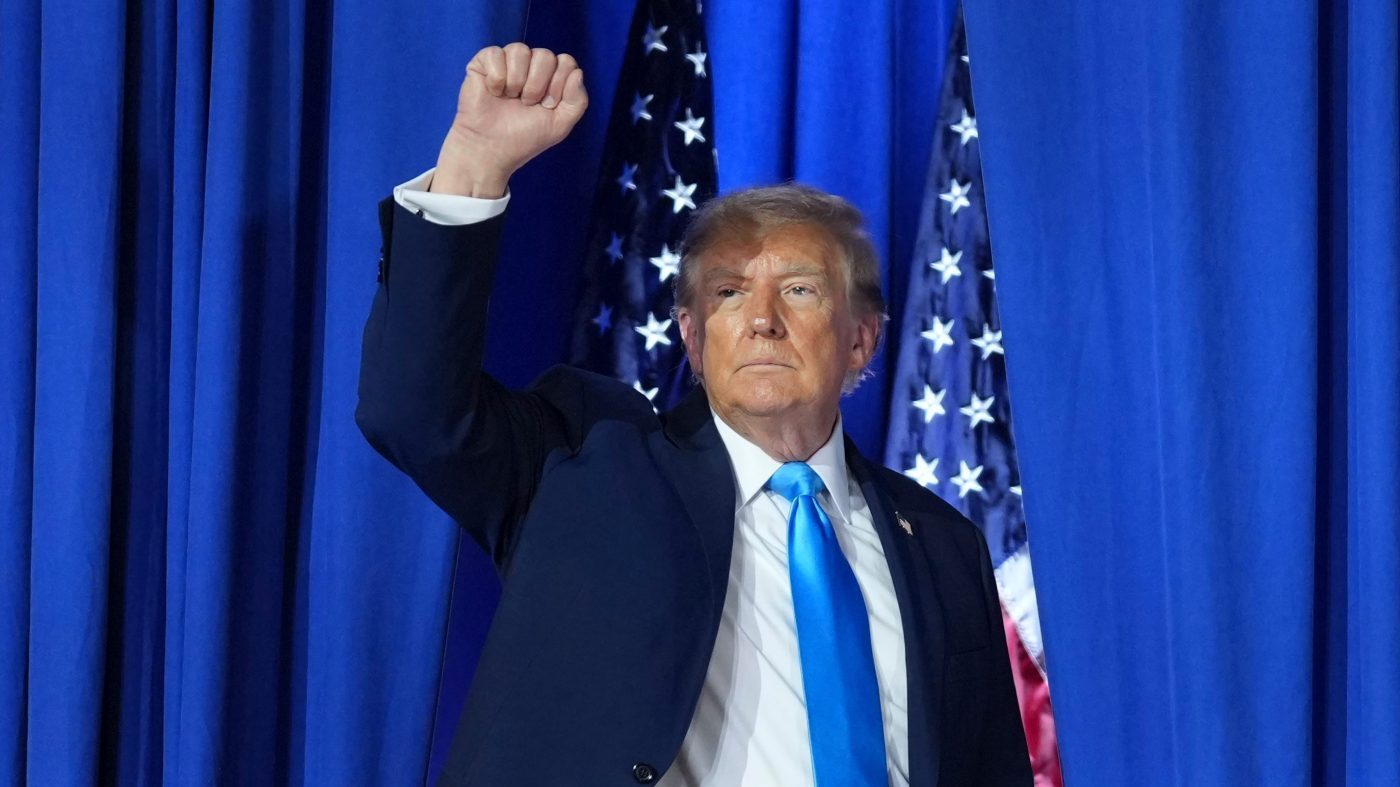
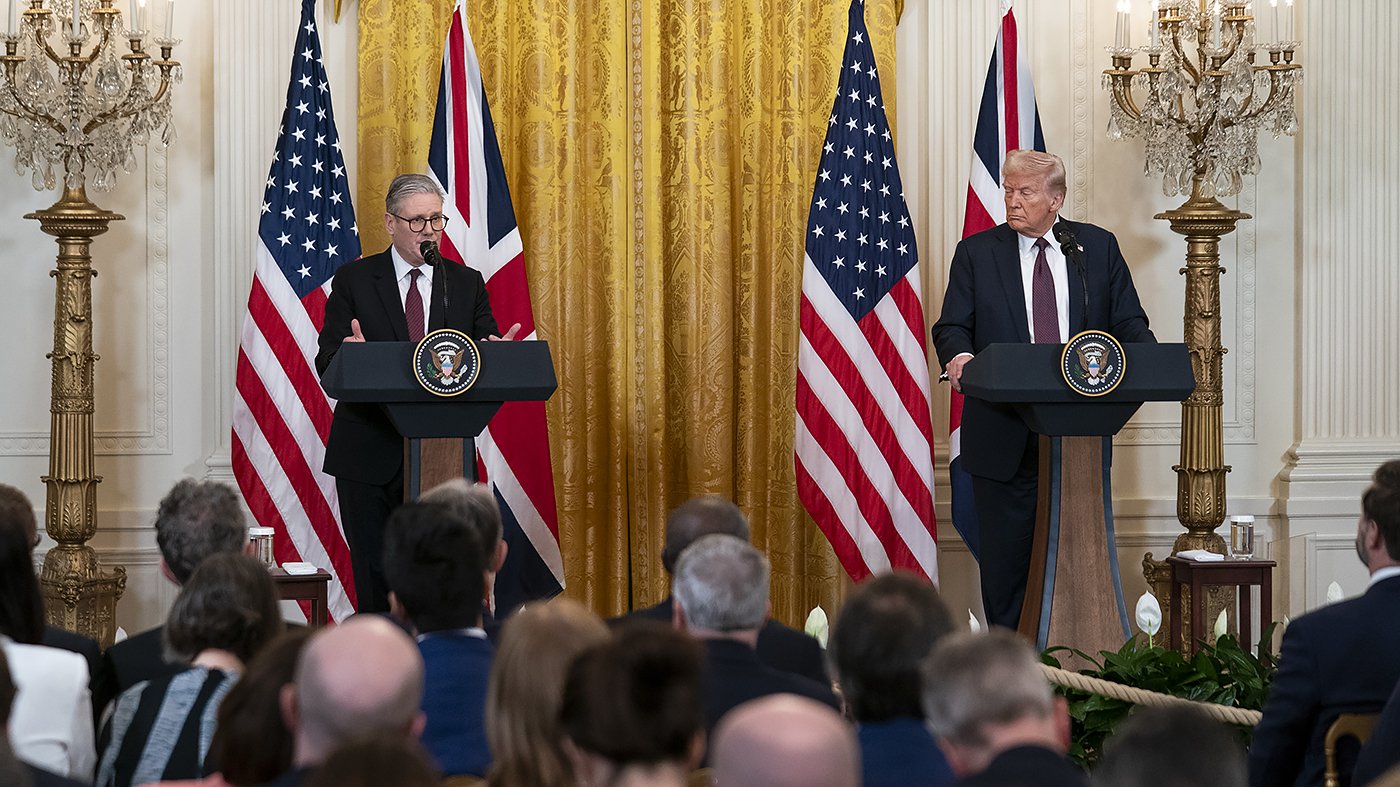
From Washington's perspective, the key figures to watch are Starmer and Farage — two politicians with starkly contrasting relationships with President Donald Trump. Trump has publicly criticized Starmer, accusing him of insufficient support for the U.S.-led war in Iran, while Farage, a regular at Mar-a-Lago, has styled himself as a Trump-aligned populist. However, Starmer's troubles are largely homegrown, stemming from unpopular spending cuts and a perceived lack of charisma, rather than transatlantic tensions. As Obama recently urged Democrats to connect with working-class voters, Starmer's Labour has struggled to hold its base amid a fractured political environment.
Labour's Expected Bloodbath
Most council seats up for grabs were last contested in 2022, when Labour — then in opposition — secured over 3,000 seats. Current opinion polls suggest the party could lose as many as 1,000 of those seats on Thursday, with its vote share potentially dropping from 35% to 20%. The losses would mark a dramatic reversal for a party that won a landslide general election less than two years ago.
Starmer's unpopularity stems from a mix of policy missteps, including early cuts to fuel subsidies for elderly Britons, and a personal style widely seen as uninspiring. The Labour leader also faces a political pincer movement: Farage's Reform UK is eating into its right flank, while Zack Polanski's Green Party is gaining on the left, and nationalist parties in Scotland and Wales are eroding support in those regions. Similar dynamics are playing out in U.S. primaries, where incumbents face restive electorates.
Farage's Trump-Style Rise
Nigel Farage, once a fringe figure for his fervent Euroskepticism, has emerged as a central force in British politics. His Reform UK party now leads in national polls, capitalizing on a hardline immigration stance that mirrors Trump's rhetoric. The party's first policy document, titled "Operation Restore Justice," outlines a plan to deport all illegal migrants and secure borders.
Farage's Trump-adjacent positioning has not been without risks. He initially backed the war in Iran, but reversed course after polls showed Trump's approval rating in Britain below 20%. He now argues the UK should avoid foreign entanglements. Still, Reform is expected to make significant gains, potentially overtaking the center-right Conservative Party as the main voice of the British right.
The Green Surge
While Farage dominates the right, the Green Party under Zack Polanski has surged on the left. The Greens are now vying with Labour and the Conservatives for second place in national polls, an astonishing feat for a party once seen as marginal. Polanski's charisma and social media savvy have helped, but the party's unabashedly left-wing platform — defending migrants' rights, opposing austerity, and pushing climate action — has also resonated with voters disillusioned by the status quo. Health costs remain a top concern for many voters, further fueling the appeal of parties offering systemic change.
The broader context is a splintering of Britain's two-party system, mirroring trends in the United States. Voters increasingly feel the establishment is failing them, driving support for populist alternatives on both sides of the Atlantic. Global anxieties — from Trump's America to the Iran War and the Israel-Palestine conflict — compound domestic frustrations.
What to Watch
Key questions include how badly Labour will lose and whether Starmer faces a leadership challenge. Low expectations might cushion the blow, but a loss of 1,000 seats could trigger a revolt. For Farage, the test is whether Reform can translate polling leads into actual seats and begin supplanting the Conservatives. For the Greens, continued growth could reshape the left's electoral calculus.
Thursday's results will offer a fresh gauge of the political winds transforming both British and American politics, with populism — of both the right and left — on the march.