A new KFF poll released Wednesday reveals that health care affordability is the paramount issue for voters aligned with the "Make America Healthy Again" (MAHA) movement, eclipsing concerns about vaccines, pesticides, and food additives. The survey underscores how economic pressures on medical expenses cut across the political spectrum, even among those drawn to a movement that often highlights chronic disease and corporate influence.
According to the poll, 42 percent of MAHA supporters identified lowering health care costs as the most pressing issue for government action. That dwarfed the 21 percent who prioritized restricting chemical additives in food, the 10 percent focused on reevaluating vaccine safety, and the 8 percent each for limiting corporate influence on food policy or curbing pesticide use in agriculture.

The findings carry significant electoral implications. At least half of MAHA voters said health care costs will have a "major impact" on their midterm vote choice—a share higher than those citing vaccine policy or food safety. This suggests that the movement's grassroots energy could be channeled toward broader economic concerns, potentially reshaping how both parties approach health care messaging.
MAHA's Coalition and Broader Resonance
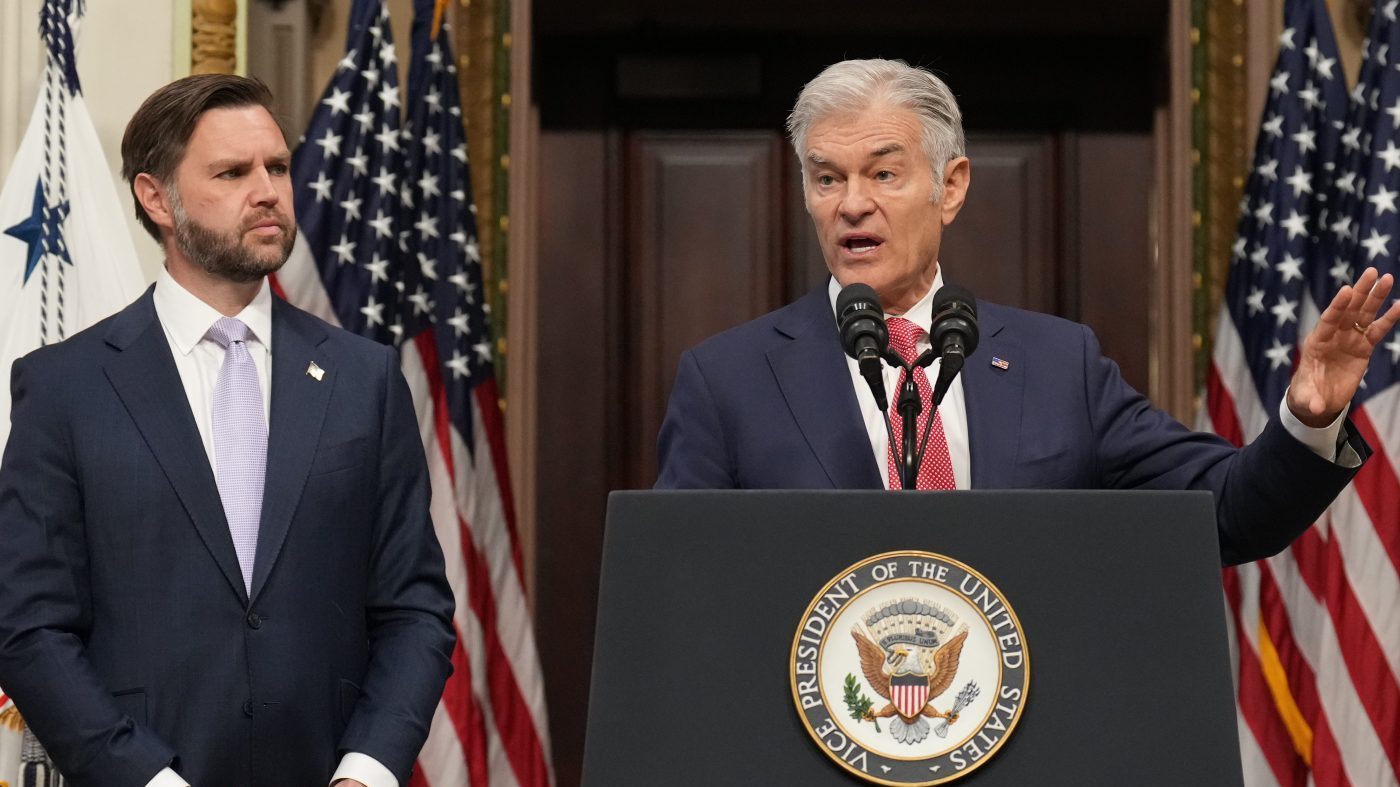
The MAHA movement emerged from the political alliance between Health and Human Services Secretary Robert F. Kennedy Jr. and President Donald Trump, focusing on chronic disease, childhood illness, and reducing corporate influence in federal agencies. The poll found that 4 in 10 adults describe themselves as MAHA supporters, with two-thirds identifying as Republicans or independents, and half as MAGA backers.
Despite its roots in vaccine skepticism and food safety activism, the movement's concerns have gone mainstream. Among all respondents, 75 percent said chemical additives in food are insufficiently regulated, and 64 percent said the same about pesticides. Distrust of the food, agriculture, and pharmaceutical industries was widespread. Yet the poll reveals a gap between the movement's public focus and its supporters' top priority: affordability over purity.
Voter Motivations Beyond the Headlines
The survey also probed why people support MAHA. The most common reasons were a general desire for better health (19 percent) and removing harmful substances from food (15 percent). Improving nutrition and lowering obesity rates each drew 7 percent. Notably, only 4 percent cited vaccines and medical choice, while 5 percent mentioned health care access and affordability—despite the latter being the top policy priority.
This disconnect suggests that MAHA supporters may be more pragmatic than the movement's rhetoric implies. The KFF poll of 1,023 adults, conducted April 14-19 with a margin of error of plus or minus 3 percentage points, highlights how Democrats could potentially peel off some MAHA voters by emphasizing cost relief over cultural battles.
As midterms approach, the data signals that health care affordability—not just food or vaccine fights—will be a decisive issue for a key slice of the electorate. Whether the MAHA movement's leaders pivot to address these economic concerns remains an open question.