The successful splashdown of Artemis II has reignited excitement around NASA's lunar ambitions. But beneath the celebration, a critical question lingers: Is the agency losing sight of its ultimate destination?
Scott Hubbard, who served as NASA's first program director for Mars — the nation's so-called Mars czar — argues that the moon is a stepping stone, not a final goal. “Heading back to the moon doesn’t make sense without the context of a bigger and bolder plan: Mars,” Hubbard writes in a new analysis. He insists that only by keeping the red planet in the crosshairs can the human spaceflight program fulfill its potential.

A History of Hard Lessons
Hubbard took the helm of Mars exploration after two embarrassing failures in 1999: the Mars Climate Orbiter, lost due to a metric mix-up, and the Mars Polar Lander, which crashed after a software glitch. Those engineering own-goals underscored the difficulty of reaching Mars safely. Over the following two decades, NASA launched a string of successful missions — Odyssey, Spirit and Opportunity, the Mars Reconnaissance Orbiter, Phoenix, MAVEN, and Curiosity — that transformed scientific understanding of the planet.
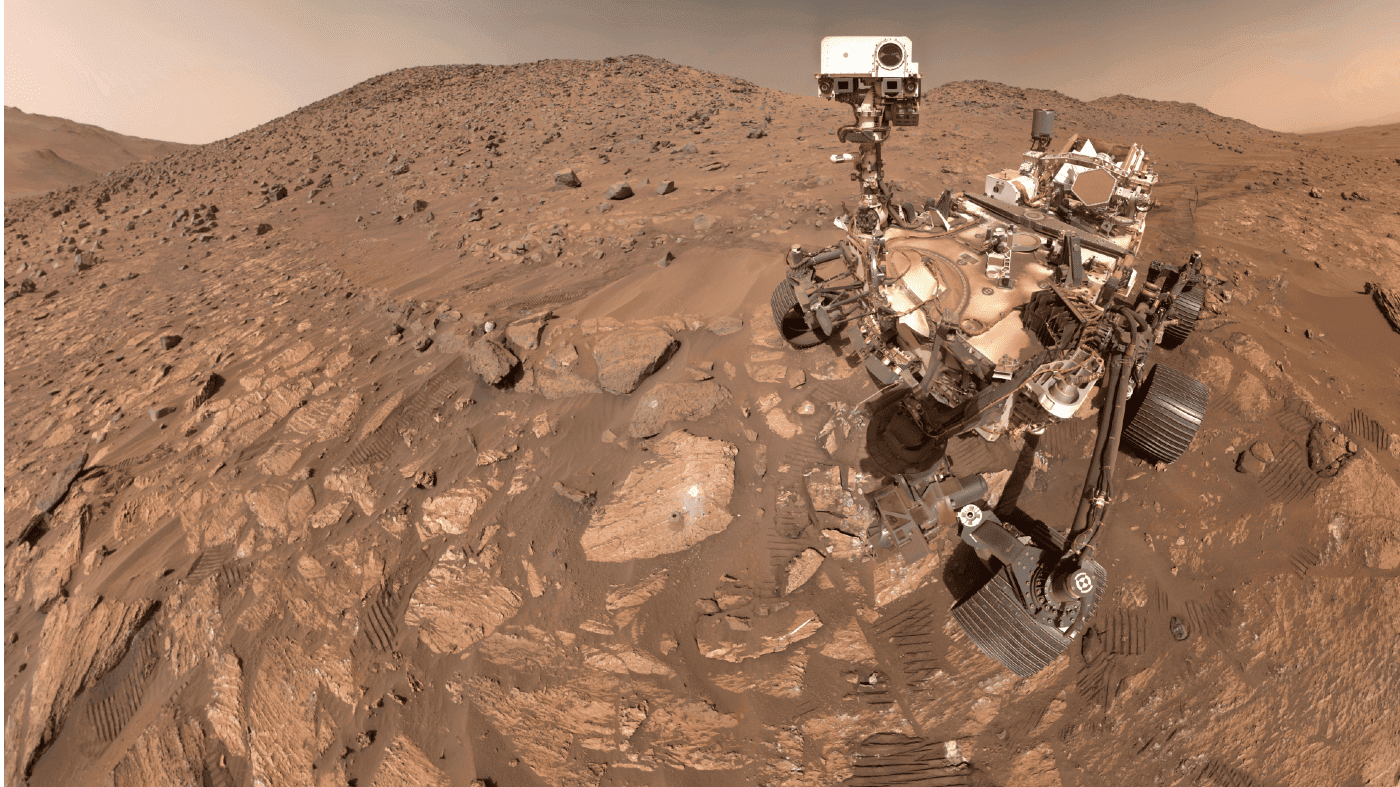
The Perseverance rover, which landed in 2021 during the height of the pandemic, has been collecting samples that could contain evidence of ancient life. Those samples remain stored in the rover's belly, awaiting retrieval. Yet support for Mars has waned as older spacecraft fail or near the end of their operational lives. The Trump administration's proposed NASA budget would slash funding for Mars missions, a move that bipartisan critics warn could undermine the gains from Artemis II.
Sample Return as a Dress Rehearsal
Bringing the Perseverance samples back to Earth is not just a scientific milestone — it's a critical engineering test. Hubbard argues that the same systems required for a sample return mission will be needed for sending humans to Mars and returning them safely. “It’s an engineering feat that will test most of the systems that will be needed for the technically harder next job,” he writes.
Congress has already signaled that it finds the president's budget request for NASA unacceptable, and lawmakers are likely to restore funding as they did last fiscal year. But the details for Mars remain murky, especially for the sample return program and long-term human exploration planning.
Leadership and the Private Sector
Hubbard points to the need for leadership that can bridge the gap between human spaceflight and scientific exploration. He draws a parallel to the Apollo era, when vision and resources inspired engineers to line up for the Space Shuttle program. Private companies already working with NASA, such as SpaceX, are eager to lift payloads and crews into space. “There is no shortage of ingenuity when vision and budget support a credible plan,” he says.
High-resolution imaging of potential landing sites, searches for water ice, and studies of Martian soil toxicity — which could pose risks to human health — must begin now if the agency hopes to launch a crewed mission by the 2030s. Hubbard notes that the robotic demonstration of sample return would mirror the approach used before the first moon landings.
In the wake of Artemis II's triumph, the moon remains the next logical step. But Hubbard warns that without Mars as the ultimate purpose for a lunar base, the program risks drifting. “After the moon, the next stop is Mars,” he concludes.