According to multiple reports, the United States and Iran are on the verge of signing a concise one-page memorandum aimed at ending a two-month-long conflict in the Middle East. Axios reported Tuesday that Washington is still waiting for Tehran's final responses on several critical points, and no agreement has been finalized yet.
Key Elements of the Proposed Deal
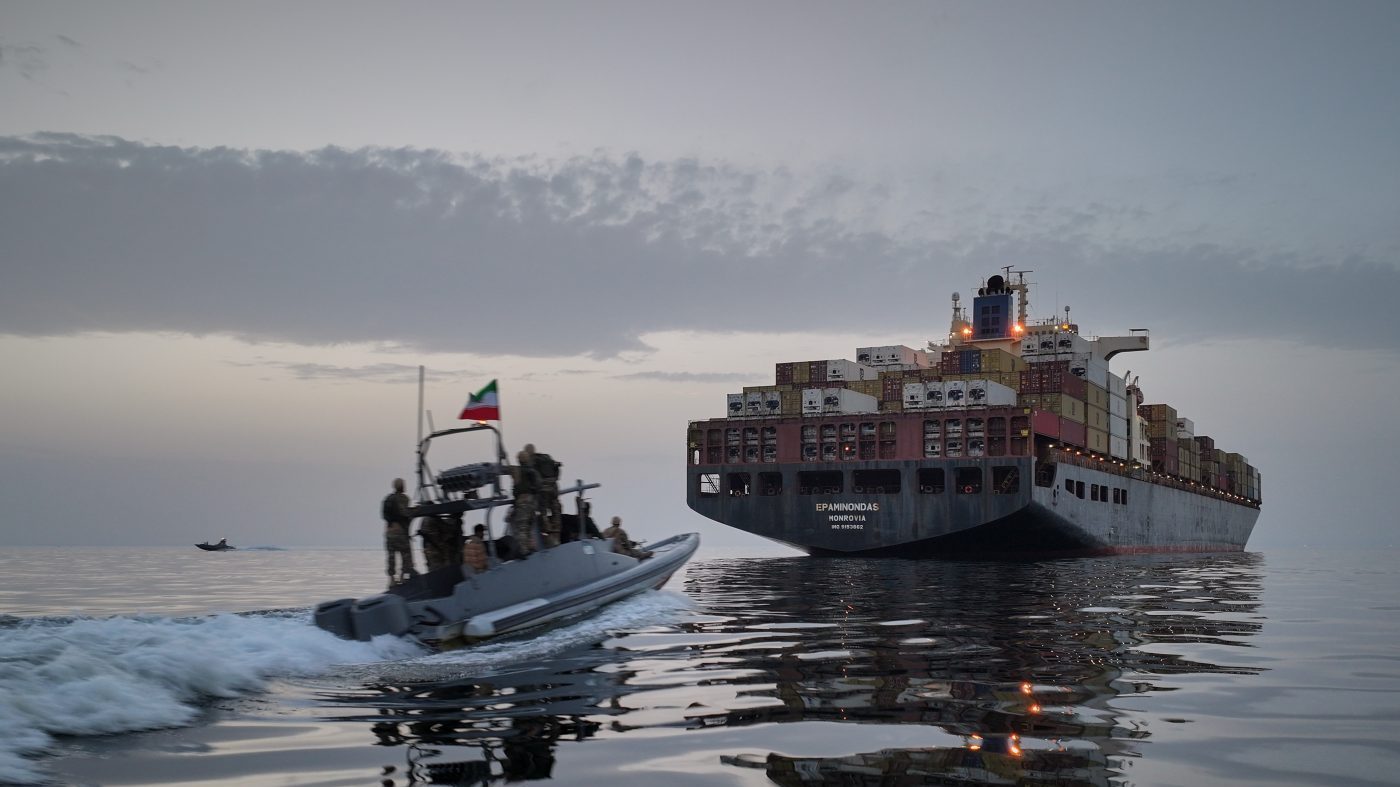
Under the terms being discussed, Iran would commit to a moratorium on nuclear enrichment—a major obstacle in previous negotiations—while the U.S. would agree to lift sanctions and release billions of dollars in frozen Iranian assets. Both sides would also commit to ending blockades in the Strait of Hormuz, according to Axios, which cited two U.S. officials and two other sources briefed on the talks.
A Pakistani source confirmed the proposal's accuracy to Reuters on Wednesday, stating that the parties expect to "close this very soon." Pakistan has acted as an intermediary between U.S. and Iranian officials since the conflict erupted in late February, hosting representatives in Islamabad for talks last month and shuttling proposals between them.
Trump's Pause on 'Project Freedom'
The reports of progress emerged hours after President Trump announced a pause on "Project Freedom," a U.S. military effort to escort commercial vessels through the Strait of Hormuz. He noted that the naval blockade of ships would remain in place. This move aligns with the broader diplomatic push, as the conflict has strained global shipping and energy markets. For context, the Iran conflict has already cast a pall over the housing market as sales hit a 2025 low, reflecting broader economic fallout.
Pakistani Prime Minister Muhammad Shehbaz Sharif expressed gratitude to Trump in a post on X on Tuesday, writing that his "gracious response" to Pakistan and other regional allies' request "will go a long way towards advancing regional peace, stability and reconciliation during this sensitive period."
"Pakistan remains firmly committed to supporting all efforts that promote restraint and a peaceful resolution of conflicts through dialogue and diplomacy," Sharif continued. "We are very hopeful that the current momentum will lead to a lasting agreement that secures durable peace and stability for the region and beyond."
Diplomatic and Political Context
The potential deal comes amid a complex political landscape. The conflict has seen Iran violate a ceasefire with over ten attacks on U.S. troops, according to reports from General Caine. Meanwhile, Democrats have pressed the Trump administration on Israel's nuclear status amid the Iran conflict, and Senator Rubio has pushed a UN resolution to reopen the Strait of Hormuz. The administration also faces pressure from Senate Democrats to reinstate Russian oil sanctions, adding another layer to the diplomatic calculus.
If finalized, the memorandum would represent a significant de-escalation in a conflict that has disrupted global trade, energy supplies, and regional stability. However, with key details still under negotiation and no final agreement yet, the path to a lasting peace remains uncertain.