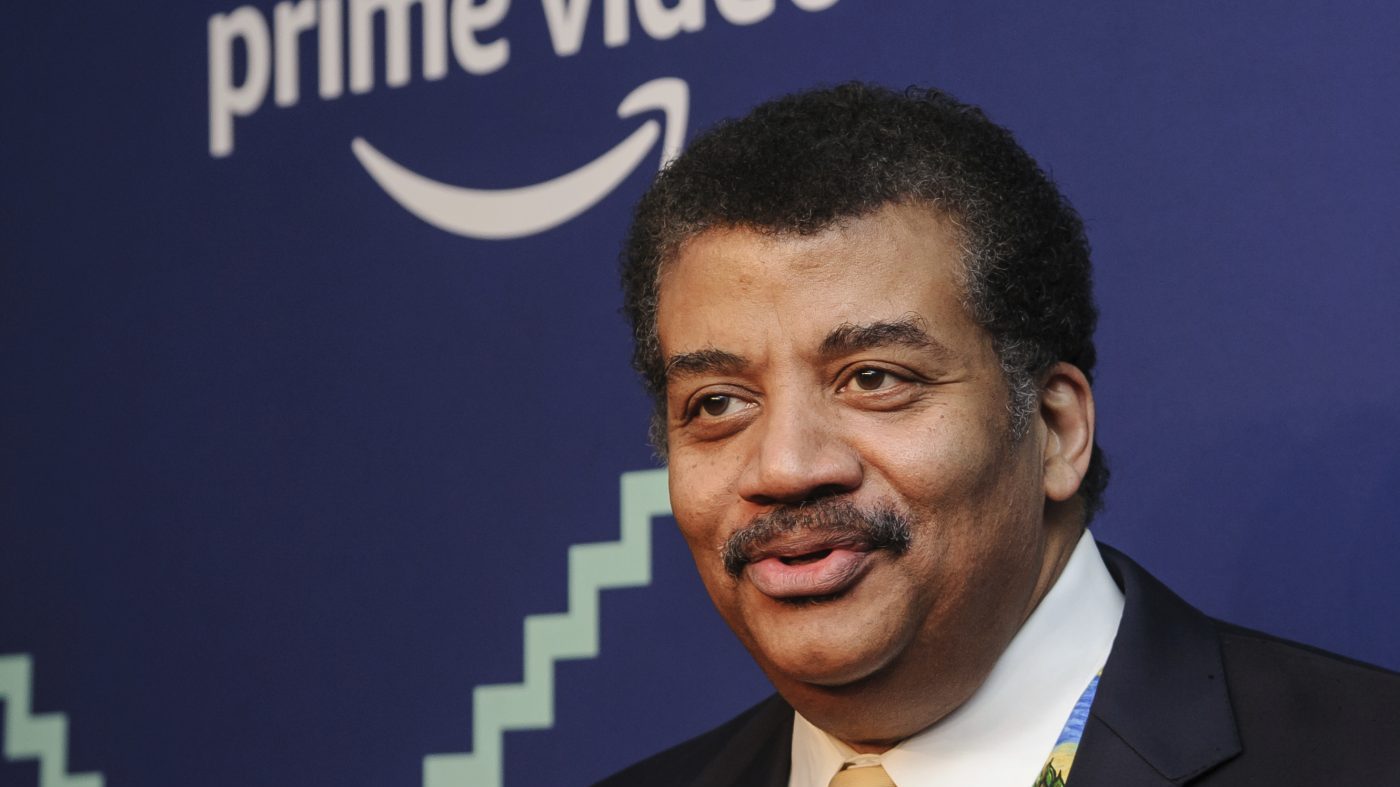
Astrophysicist Neil deGrasse Tyson is pouring cold water on the long-awaited release of U.S. government files on unidentified flying objects and anomalous phenomena, predicting the documents will be “anticlimactic.”
In an opinion piece published Wednesday in The New York Times, Tyson acknowledged that the disclosure is “a good thing,” but warned it may distract from other critical files the public has been waiting to see. He pointed to the parade of whistleblowers and self-proclaimed insiders who have testified before Congress in recent years, suggesting little new information remains hidden.
“After a parade of alien insiders and whistle-blowers testified under oath to Congress in 2023, 2024 and 2025, what’s left to learn?” Tyson wrote. “Personally, I’d be delighted if the files were accompanied by an actual alien. Alive or dead or undead. Preferably alive. Is that too much to ask for?”
Tyson’s skepticism comes after President Donald Trump teased the release at a Turning Point USA event in Phoenix last month. Trump said he had directed Defense Secretary Pete Hegseth to begin declassifying records on UFOs and unexplained aerial phenomena, adding, “We’ve found many interesting documents, I must say, and the first releases will begin very, very soon.”
The president’s remarks have fueled speculation among UFO enthusiasts, but Tyson argues that the real value of the files lies in shifting the conversation from belief to evidence. “If an authentic alien walked out of the halls of Congress, nobody would ever again have to ask if you ‘believe’ in aliens, just as nobody questions the existence of elephants,” he wrote. “An alien of the alien files could become the literal elephant in the room.”
The push for transparency on UFOs echoes broader demands for government disclosure on other sensitive matters. The New York Times has also pursued court action to unseal documents related to Jeffrey Epstein, and Attorney General Pam Bondi has agreed to testify before the House about Epstein-related files. Bondi’s May 29 testimony follows her skipping a deposition, adding to the political jockeying over classified materials.
Tyson’s commentary underscores a broader tension in Washington: the appetite for secret files, whether on UFOs or other high-profile cases, often outstrips the reality of what those documents contain. For now, he suggests, the most exciting possibility remains the one least likely to materialize.