Oil prices took a steep dive midday Wednesday after reports surfaced that the United States and Iran are closing in on a one-page memorandum that could reopen the strategically vital Strait of Hormuz. The international benchmark, Brent crude, slid to $101.75 per barrel by 11:00 a.m. EDT, while West Texas Intermediate dropped to $95.60, according to Reuters data.
Stock markets rallied in tandem, as investors priced in the possibility of a diplomatic resolution to months of tensions that have choked one of the world's most critical energy chokepoints. The Strait of Hormuz, through which roughly a fifth of global oil passes, has been effectively blockaded since late last year amid escalating US-Iran hostilities.
President Donald Trump took to Truth Social on Wednesday morning to frame the talks as a final ultimatum. “Assuming Iran agrees to give what has been agreed to, which is, perhaps, a big assumption, the already legendary Epic Fury will be at an end, and the highly effective Blockade will allow the Hormuz Strait to be OPEN TO ALL, including Iran,” he wrote. He added a stark warning: “If they don’t agree, the bombing starts, and it will be, sadly, at a much higher level and intensity than it was before.”
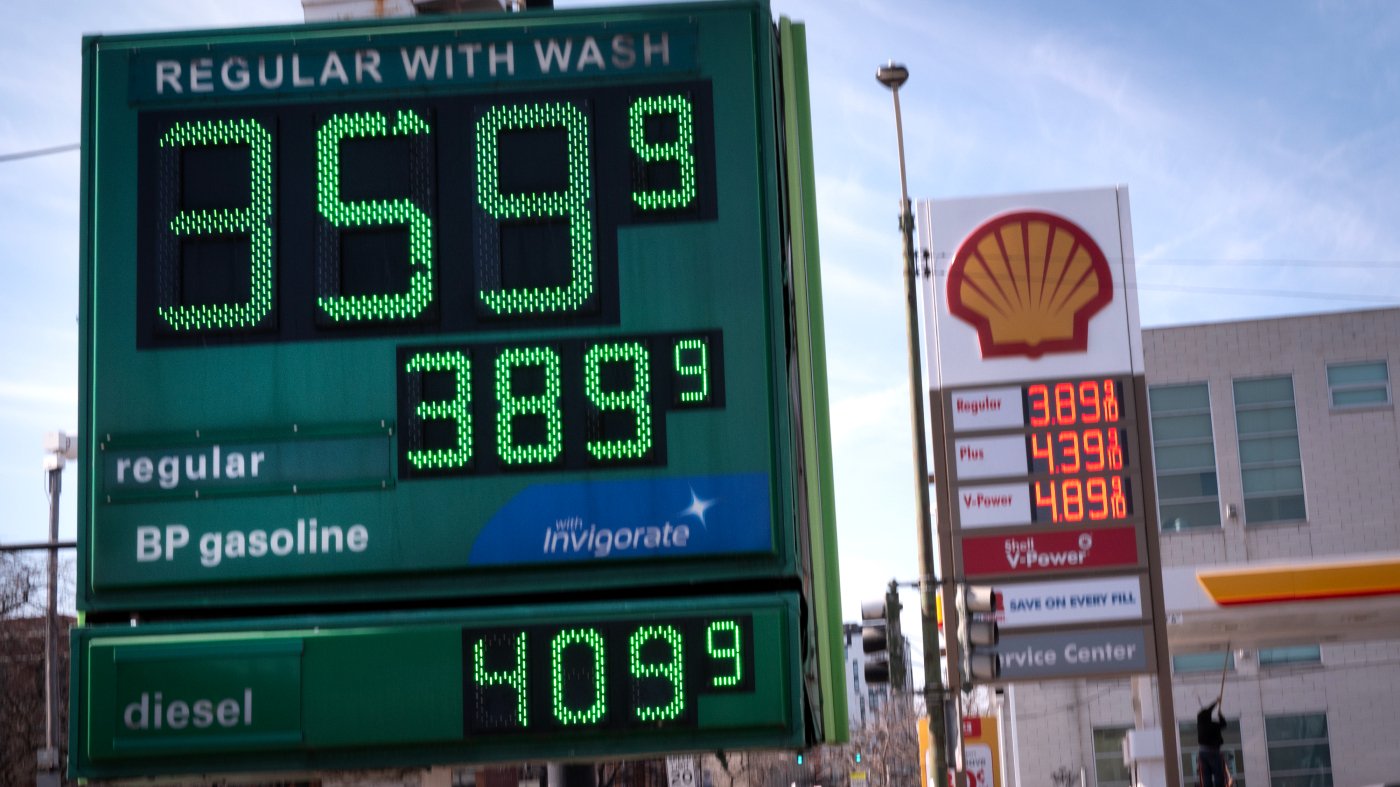
The potential deal comes as American consumers continue to feel the pinch at the pump. The national average for regular gasoline stood at about $4.53 per gallon Wednesday morning, according to AAA—a 31-cent jump over the past week, as reported by the Associated Press. The prolonged closure of the Strait has rattled shipping supply chains and driven up energy costs across the board.
Analysts point to the Trump administration's aggressive blockade of Iranian oil exports as a key driver of the price surge. Jim Krane, an energy research fellow at Rice University's Baker Institute, told the AP that Iran had been moving “an unusually high amount of oil to global markets, so that was helping moderate prices.” He explained that the administration's decision to “punish Iran” by blocking exports “does put pressure on Iran, but also puts pressure on global oil prices and forces them up. That was probably a big factor.”
Beyond geopolitical tensions, state and federal taxes also contribute to the cost at the pump. The Energy Information Administration reports that taxes accounted for 17.4 percent of the retail gasoline average from 2016 to 2025, though crude oil costs made up more than half of the price over that period.
The diplomatic maneuvering has been accompanied by high-stakes signaling. Trump's ultimatum echoes his earlier threats to escalate military action if Iran does not comply, while the reported one-page memorandum suggests a narrow but potentially breakthrough agreement. For now, markets are betting on peace, but the president's warning leaves the door open to a sudden reversal.