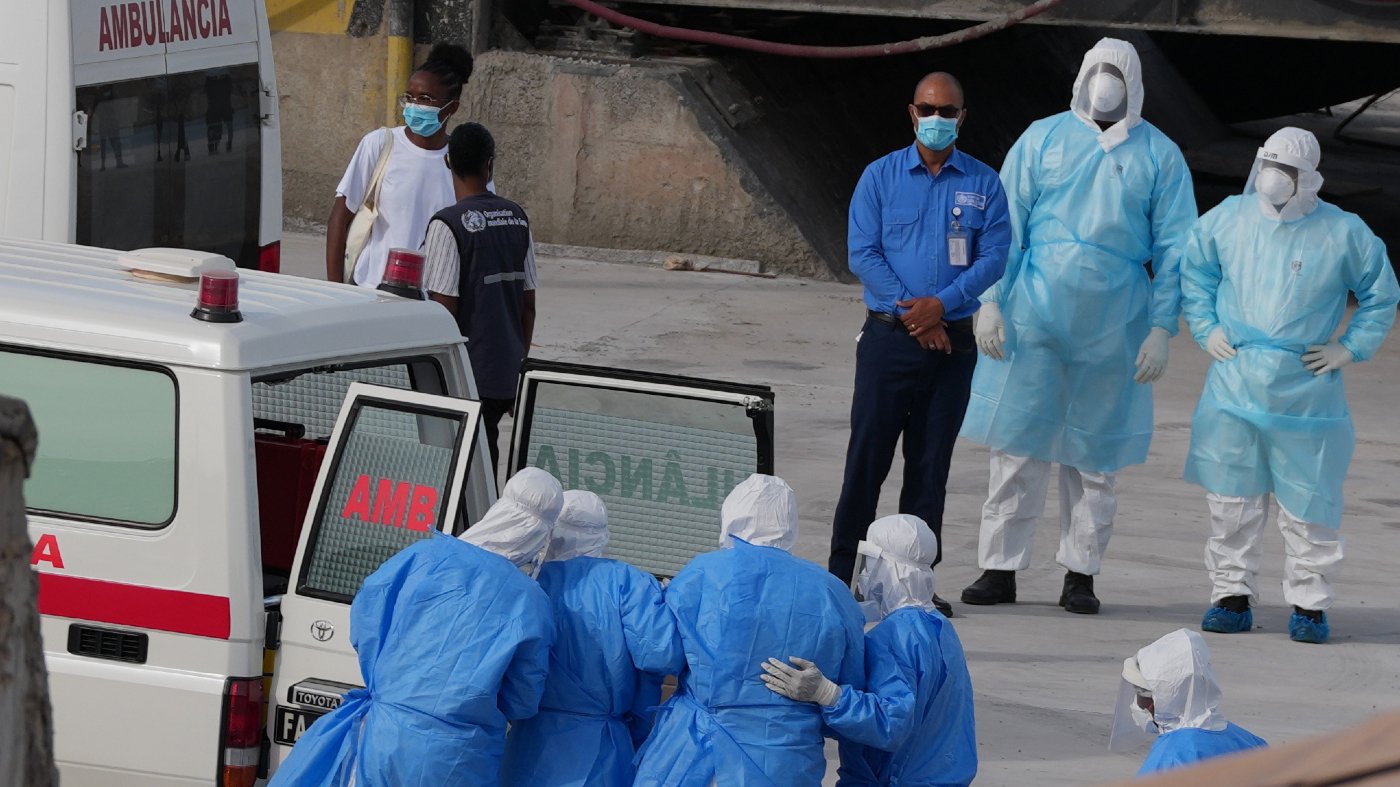
The World Health Organization confirmed early Wednesday that it had evacuated three individuals suspected of carrying hantavirus from a cruise ship currently anchored off the coast of West Africa. The patients, who reported mild symptoms, are being transferred to the Netherlands for treatment, according to WHO Director General Tedros Adhanom Ghebreyesus.
The outbreak on the vessel has already claimed three lives, with one additional passenger in critical care in South Africa. The WHO has confirmed two of the seven suspected cases as hantavirus infection, specifically the Andes strain—a rare variant capable of person-to-person transmission.

“WHO continues to work with the ship’s operators to closely monitor the health of passengers and crew, working with countries to support appropriate medical follow-up and evacuation where needed,” Tedros said in a social media post. He added that monitoring and follow-up for those on board and those who have already disembarked has begun in collaboration with national health authorities.
The cruise ship departed Ushuaia, Argentina, on April 1 with 147 people—88 passengers and 59 crew members—and made stops in Antarctica and several South Atlantic islands. It has been docked off West Africa since Monday, with remaining passengers and crew scheduled to dock at Spain’s Canary Islands following an invitation from the Spanish health ministry.
The ship’s doctor, initially slated to travel to the islands, is now being transferred to the Netherlands after his condition improved, the Spanish health ministry said Wednesday.
However, the decision to allow the ship to dock in the Canary Islands has sparked political tension. Canarian President Fernando Clavijo said he was not consulted and voiced concerns about public health risks to residents. “Today I have requested a meeting with [Spanish] President [Pedro] Sánchez due to a lack of coordination and information regarding the cruise ship affected by a Hantavirus outbreak,” Clavijo wrote on social media. He stressed that his government “cannot accept decisions taken behind the backs of the Canary Islands institutions and without sufficient information to the populations.”
Hantavirus is typically spread through contact with infected rodents, but the Andes strain—confirmed in this outbreak—can spread from person to person. There is no vaccine or specific treatment, though the WHO says early medical intervention can improve survival chances.
For context, hantavirus remains rare in the United States, where cases are primarily linked to rodent exposure in rural areas. Meanwhile, the broader public health risk from this outbreak is assessed as low, according to the WHO.
This incident follows a similar hantavirus outbreak on an Atlantic cruise ship that also resulted in multiple fatalities, underscoring the challenges of containing rare pathogens in confined maritime environments.