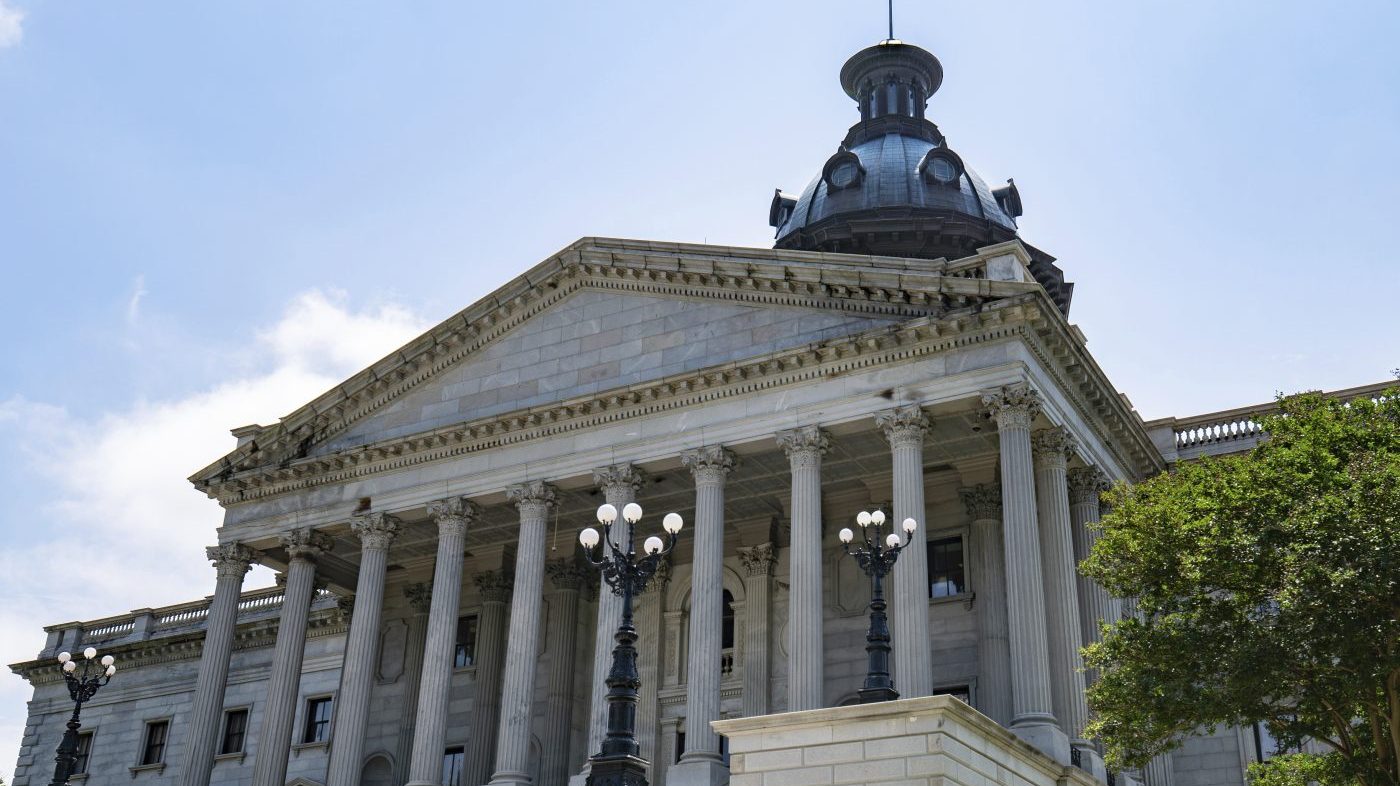
South Carolina House Republicans voted Wednesday to extend the legislative calendar, setting the stage for a potential redraw of the state's congressional districts in the wake of a Supreme Court ruling that weakened a key provision of the Voting Rights Act. The move, which still requires approval from the state Senate, could reshape the Palmetto State's political landscape ahead of the November midterms.
The extension, passed along party lines, keeps the door open for lawmakers to revisit the state's congressional map, which currently gives Republicans a 6-1 majority in the U.S. House. President Donald Trump has reportedly been in touch with South Carolina lawmakers, urging them to consider new lines that could further entrench GOP control. However, the impact on the existing delegation remains uncertain, as any redraw would need to balance political gains with legal and demographic constraints.
State House Judiciary Committee Chairman has scheduled a hearing on redistricting for Friday, signaling that the process could move quickly. But the timing is tight: South Carolina's primary is less than a month away, and some absentee ballots have already been mailed to voters. Critics argue that any mid-cycle map changes would disenfranchise voters who have already begun casting ballots under the current lines.
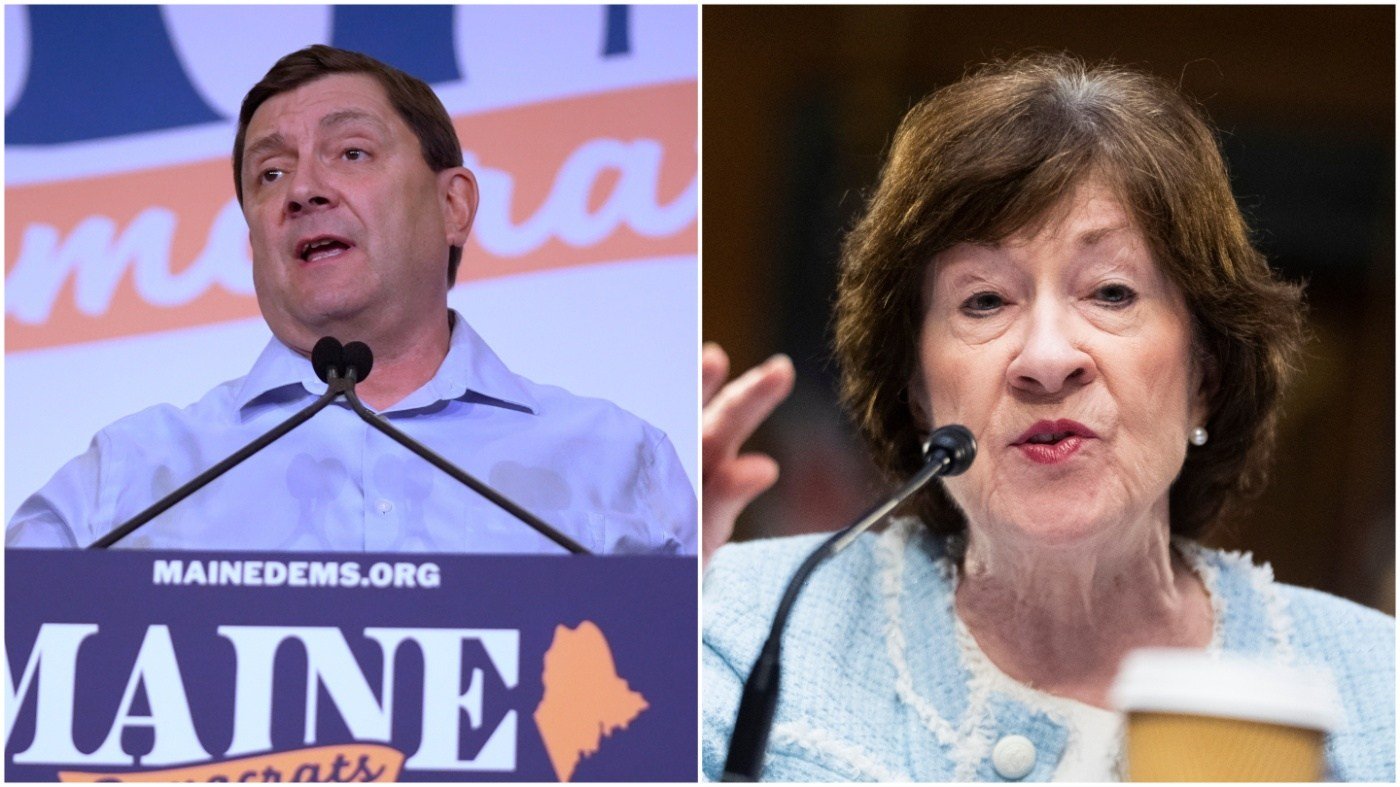
South Carolina Democratic Party Chair Christale Spain condemned the GOP maneuver, calling it a reckless attempt to undermine voter confidence. “At the urging of Donald Trump, Republicans have decided to disenfranchise South Carolina voters by attempting to redraw our congressional maps in the middle of an election cycle without any input from the public,” Spain said in a statement. She urged Republicans to put the question to voters rather than push through changes behind closed doors.
The push in South Carolina is part of a broader Republican-led redistricting effort across the South, fueled by the Supreme Court's recent decision that weakened Section 2 of the Voting Rights Act. That ruling has emboldened GOP lawmakers in several states to revisit maps that were previously thought to be settled for the decade. In Texas, a Trump-backed redistricting effort earlier this year set off a chain reaction, with states like Virginia and Indiana also seeing contentious battles.
In Indiana, the stakes were made clear earlier this week when several state senators lost their primaries to Trump-backed challengers after voting against a redistricting plan. The defeats underscored the political risk for lawmakers who defy the president on map-drawing. As Trump-backed challengers toppled five Indiana GOP senators in a redistricting revenge campaign, the message to South Carolina legislators was unmistakable.
The redistricting fight had appeared to be cooling after Virginia voters approved a Democrat-friendly redraw last month. But the Supreme Court's decision to fast-track cases like Louisiana's redistricting and abortion pill cases has reignited the arms race. For South Carolina, the question now is whether the state Senate will go along with the House extension—and whether new maps can be drawn and implemented before the primary election.
Democrats argue that the rush to redraw maps mid-cycle is an affront to democratic norms. “This decision is reckless, irresponsible and undermines voter confidence and harms every voter in South Carolina, regardless of party,” Spain added. With the clock ticking and pressure from Trump mounting, the Palmetto State could soon become the latest battleground in the national redistricting war.