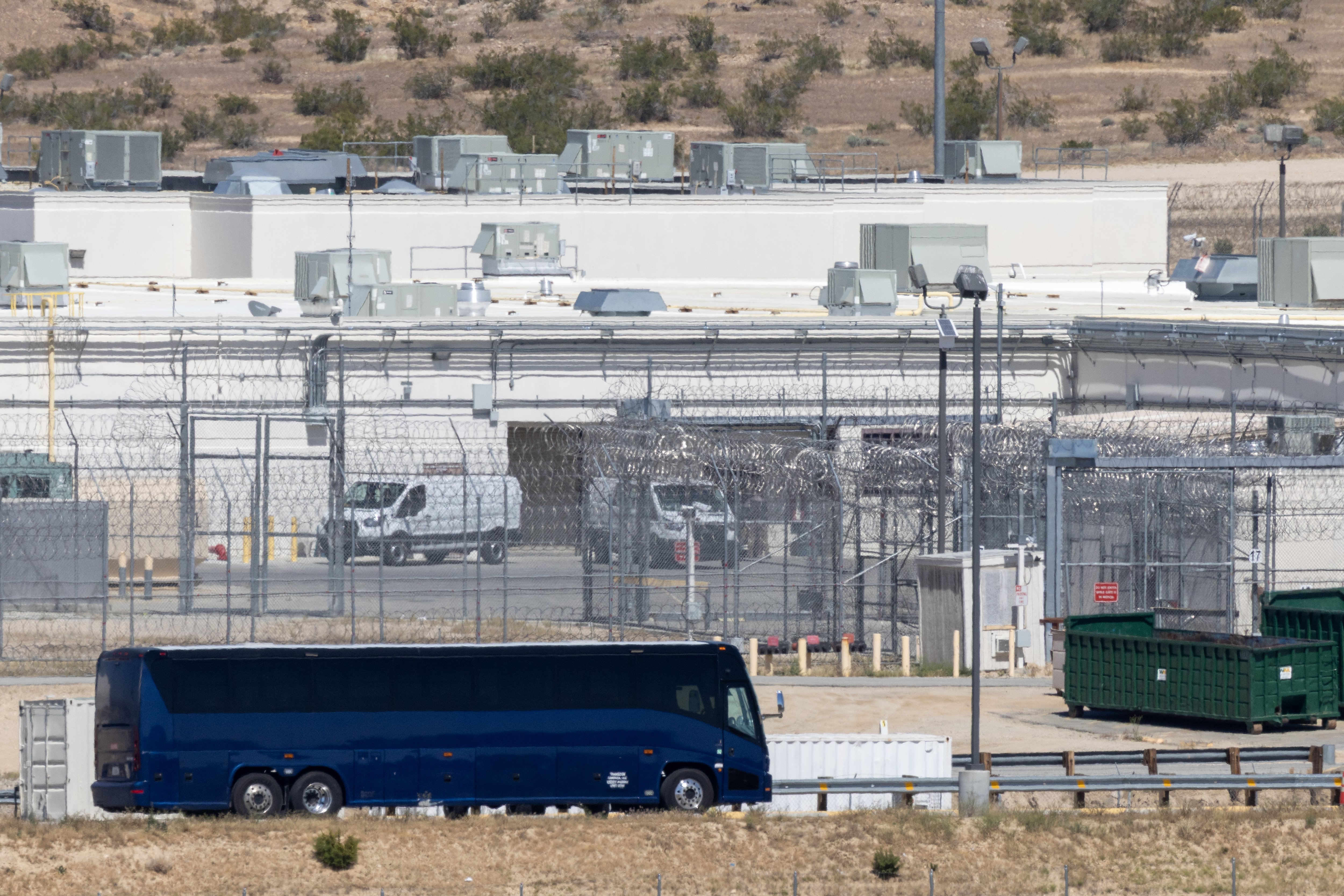
As of April 4, U.S. Immigration and Customs Enforcement (ICE) held 60,311 immigrants in detention, a sharp increase from the 40,500 detained just before President Trump took office. This surge, driven by aggressive enforcement tactics, has overwhelmed facilities, leading to overcrowding, inadequate medical care, and poor living conditions, according to advocacy groups.
Overcrowding and Deaths
The American Immigration Council reports that the administration's rapid pace of removal proceedings has left detention centers unable to keep up. By April 2025, nearly half of all facilities exceeded their capacity. The Krome Processing Center in Miami was the worst case, housing 1,806 immigrants despite a capacity of just 611.
Inspectors from the Washington Department of Health had to go to court to access a for-profit facility in Tacoma operating under an ICE contract. Even after a court order, the facility continues to block inspections. The American Civil Liberties Union has documented more than 40 deaths in detention since Trump launched his mass deportation campaign, yet the administration continues to expand populations.
ICE Defends Practices
ICE maintains that it provides medical and mental health screenings within 12 hours of arrival, a comprehensive health assessment within 14 days, and round-the-clock emergency care. The agency says it is committed to safe, secure, and humane environments. But advocates argue these claims ring hollow amid the deaths and overcrowding.
Legal Framework and Enforcement Gaps
Federal law allows discretionary detention pending deportation decisions, with mandatory custody for certain criminal aliens. The Immigration and Nationality Act requires detention for up to 90 days for those convicted of specified crimes, after which they may be released under supervision. The Supreme Court has held since 2001 that aliens must be freed after six months if removal is not likely in the foreseeable future.
Another section mandates detention for asylum applicants or those found to have a credible fear of persecution. In 2025, the Board of Immigration Appeals ruled that “applicant for admission” includes immigrants in the U.S. without legal status, even if they have lived here for years. The Fifth Circuit upheld this, though other courts have disagreed.
Scale of the Problem
ICE Director Todd Lyons told Congress in February that about 1.6 million undocumented immigrants with final deportation orders are in the U.S., half with criminal convictions. That underscores the need for more detention capacity, but current facilities struggle with 60,000 detainees. A significant expansion would require congressional funding.
Overcrowding may be a temporary byproduct of rapid expansion, similar to challenges under the Biden administration, which grew the detention population from 14,000. Regardless, the serious allegations from advocacy groups demand investigation and reform. As the Trump administration pushes forward, the balance between enforcement and humane treatment remains in question.