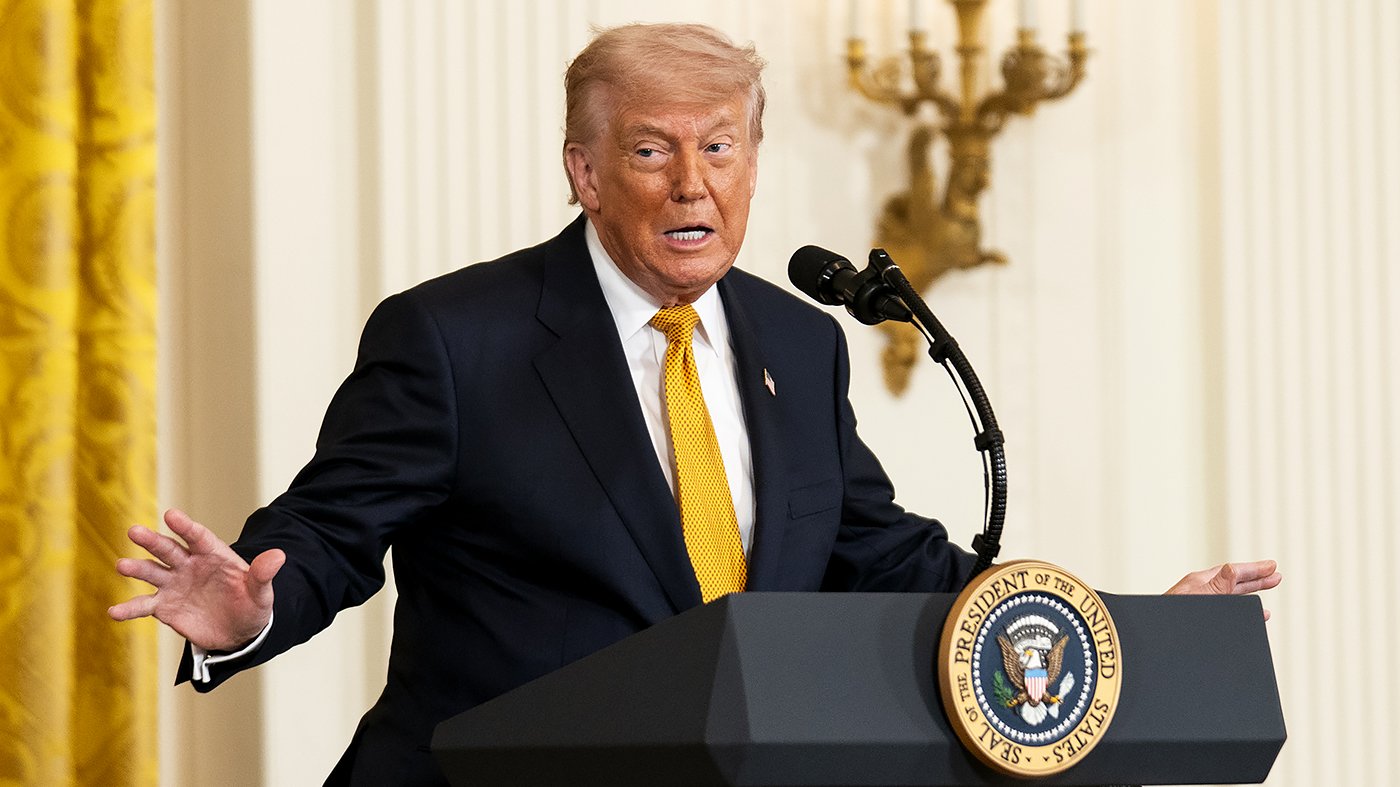
President Donald Trump and Brazilian President Luiz Inácio Lula da Silva held a high-stakes bilateral meeting at the White House on Thursday, but the session unfolded without the customary press appearance that had been scheduled for U.S. and Brazilian journalists. The absence of a formal press conference left the public with only a sparse readout from Trump himself.
The meeting, initially open to the White House press pool and Brazilian media, saw the Brazilian press corps depart nearly two hours after Lula arrived. The only official account came via a post on Trump's Truth Social platform, where he wrote, 'Just concluded my meeting with Luiz Inácio Lula da Silva, the very dynamic President of Brazil. We discussed many topics, including Trade and, specifically, Tariffs.' Trump added, 'The meeting went very well. Our Representatives are scheduled to get together to discuss certain key elements. Additional meetings will be scheduled over the coming months, as necessary.'
Lula arrived at the White House late Thursday morning for talks focused on economic and security issues. Videos of the two leaders greeting each other on the South Lawn were shared on X by Lula and Trump adviser Margo Martin, offering the only visual record of the encounter.
The meeting comes against a backdrop of significant tension between the two leaders, who occupy opposite ends of the political spectrum and have a history of acrimony. In July, Trump imposed a 50 percent tariff on Brazilian goods, partly in response to the prosecution of former Brazilian President Jair Bolsonaro, a staunch Trump ally. Lula fired back in a New York Times opinion piece in September, calling Trump's tariffs 'illogical' and misguided.
Despite the rocky relationship, the two leaders have engaged in diplomatic efforts. They met face-to-face in Malaysia last October after a 'positive' phone call earlier that month. In November, Trump lifted tariffs on Brazilian food products, including coffee and beef, in an effort to ease grocery prices for American consumers. The latest White House talks appeared to continue that pattern of cautious engagement.
The decision to avoid press coverage is unusual for a meeting of this magnitude, particularly given the high stakes involved in U.S.-Brazil relations. The lack of a formal readout leaves analysts and political observers speculating about the substance of the discussions, especially on trade and tariffs. The meeting also highlights the broader dynamics of Trump's foreign policy approach, which has often bypassed traditional diplomatic channels. For more on this pattern, see our report on how real estate moguls have replaced State Department professionals in Trump's shadow diplomacy.
The bilateral meeting also touches on broader geopolitical issues, including security cooperation and regional stability. With Lula's leftist government and Trump's conservative administration at odds on many fronts, the talks were seen as a critical test of whether the two nations can find common ground. The outcome, as described by Trump, suggests a willingness to continue dialogue, though the lack of transparency raises questions about the true state of the relationship.