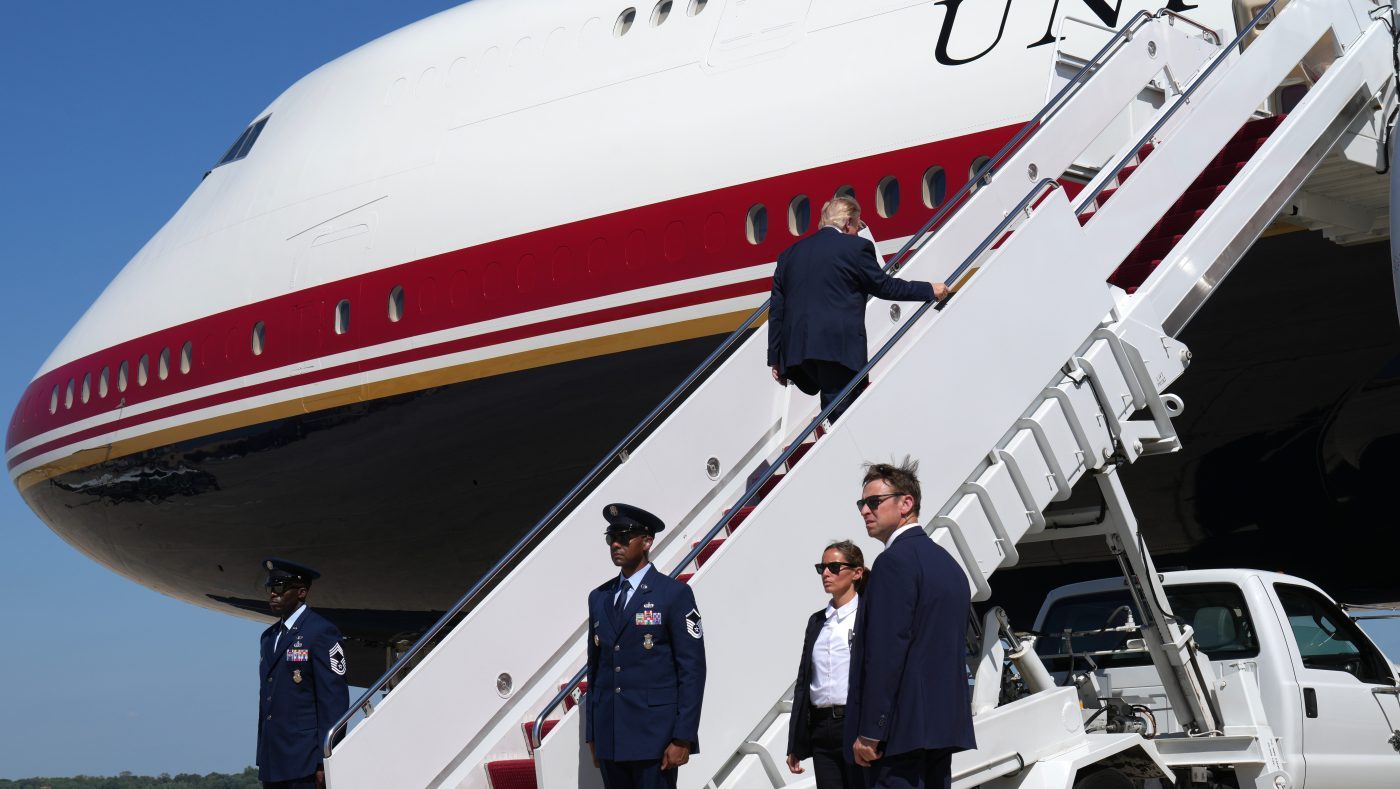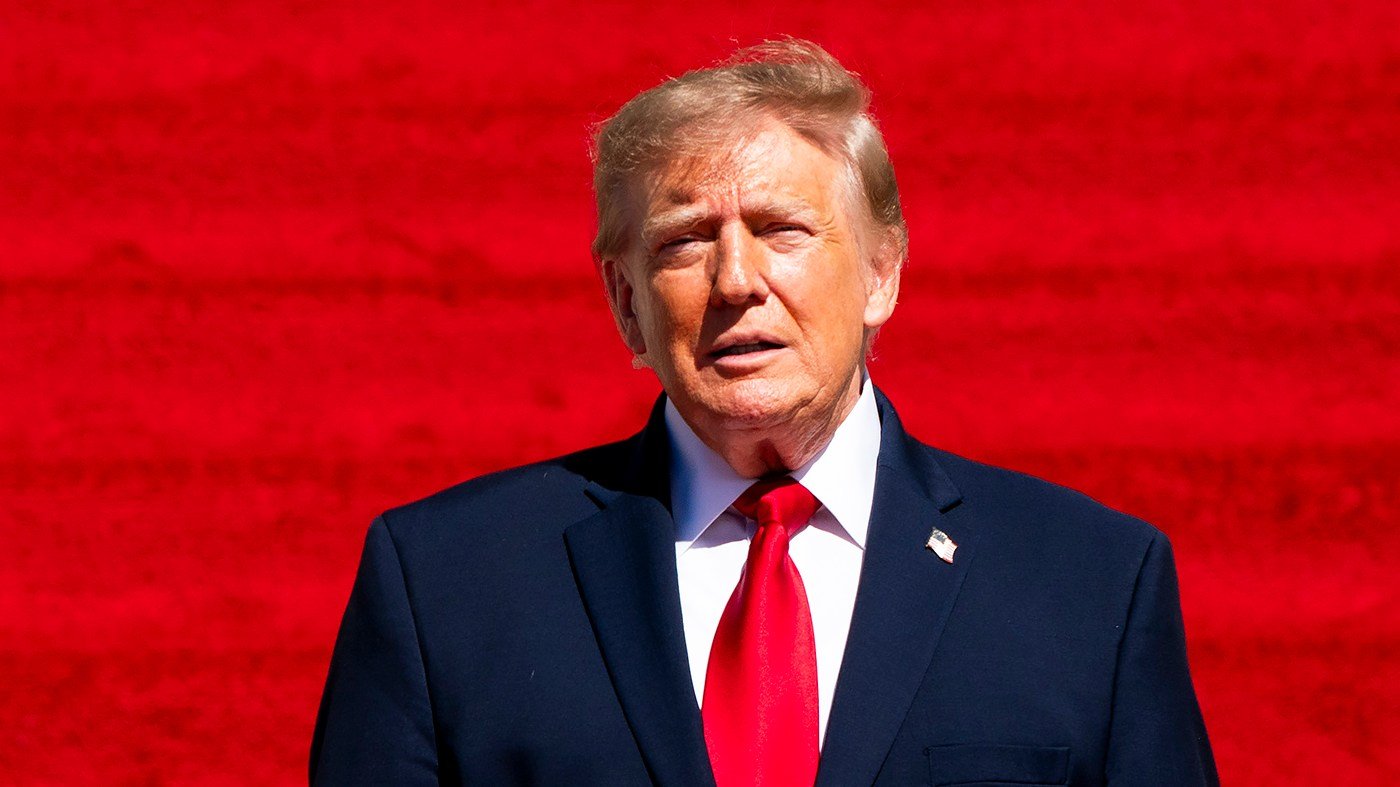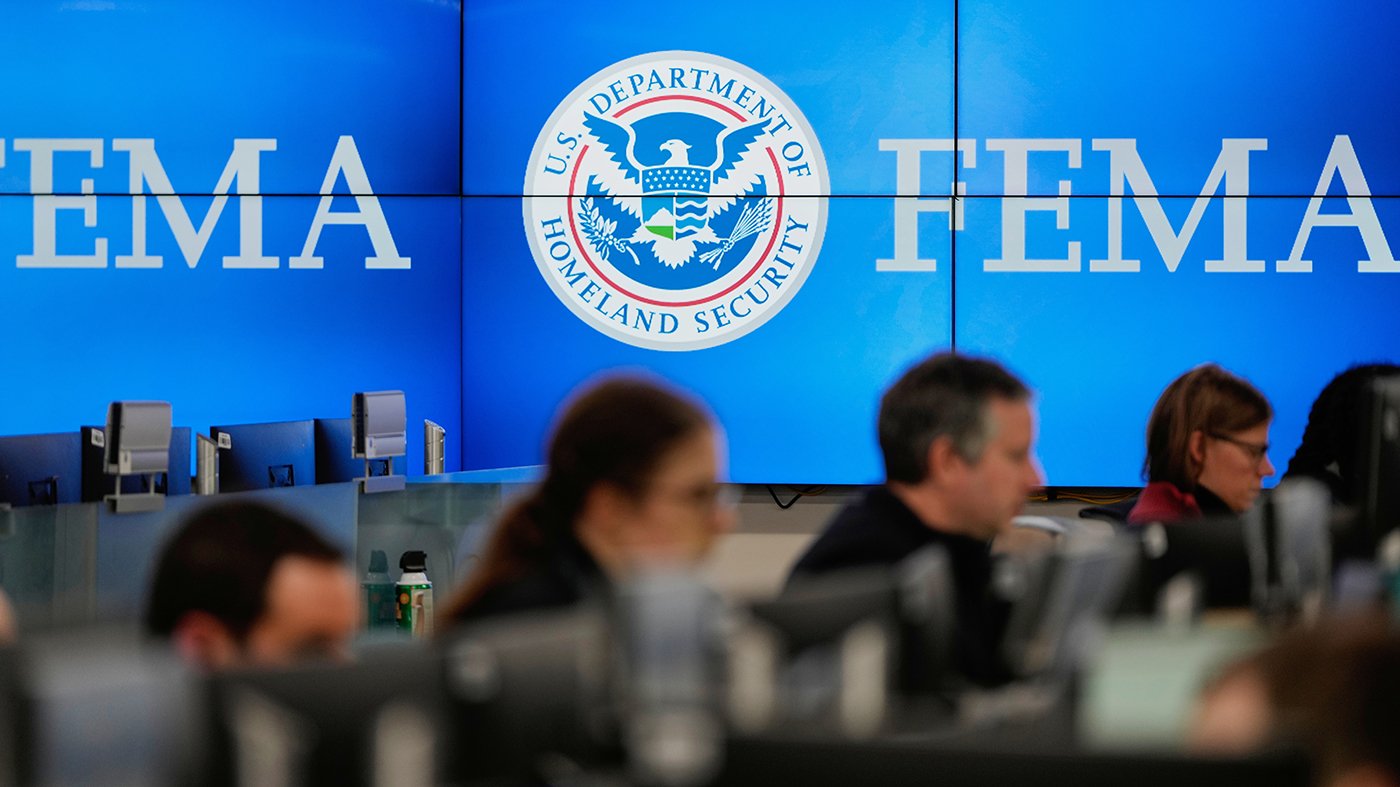
The FEMA Review Council, established by President Trump to examine the Federal Emergency Management Agency, finalized its recommendations on Thursday, calling for a major restructuring of the disaster response agency.
The council's proposals include a comprehensive review of FEMA's staffing levels, transferring more disaster management duties to state, local, and tribal governments, and privatizing the National Flood Insurance Program. The report arrives as FEMA grapples with funding shortfalls, personnel gaps, and ongoing debates about its very existence.
Homeland Security Secretary Markwayne Mullin stated, "We need to refocus FEMA to get it back on what its mission originally was." FEMA operates under the Department of Homeland Security.
The final report comes after a series of delays. A scheduled December meeting was abruptly canceled, and Trump extended the council's deadline twice. While the president has not committed to implementing the recommendations, he and former Homeland Security Secretary Kristi Noem previously floated the idea of abolishing FEMA altogether. That rhetoric has since shifted toward reform, though Trump has been vocal about the agency's costs.
Many of the report's proposals would require legislative action, new regulations, or executive orders to take effect. The council's work has drawn sharp criticism from environmental and climate advocacy groups, who argue the changes would weaken federal support for communities hit by increasingly severe weather.
Will McDow, associate vice president for coasts and watersheds at the Environmental Defense Fund, said in a statement, "Americans are facing increasingly frequent and severe weather that’s devastating homes, roads and crops, and the FEMA Review Council’s recommendations don’t meet this reality. The proposed changes would leave communities without the necessary funding, information and access to insurance to stay prepared and safe when disasters strike."
Climate Power senior advisor Mia Logan echoed that sentiment, asserting that the recommended changes "will only make things worse." She added, "Since Trump took office, he has consistently delayed and denied disaster relief for communities that have been devastated by extreme weather. Now, Trump and his Republican allies are pushing the cost of recovery onto states that can’t afford it, which will leave families stuck footing the bill."
The debate over FEMA's future comes amid broader tensions within the administration over disaster policy and federal spending. The council's report is now on Trump's desk, though his next steps remain uncertain.
This story is developing. For more on the administration's approach to international diplomacy, see how real estate moguls have replaced State Department professionals. Meanwhile, the immigration detention crisis continues to draw scrutiny as overcrowding and deaths mount.