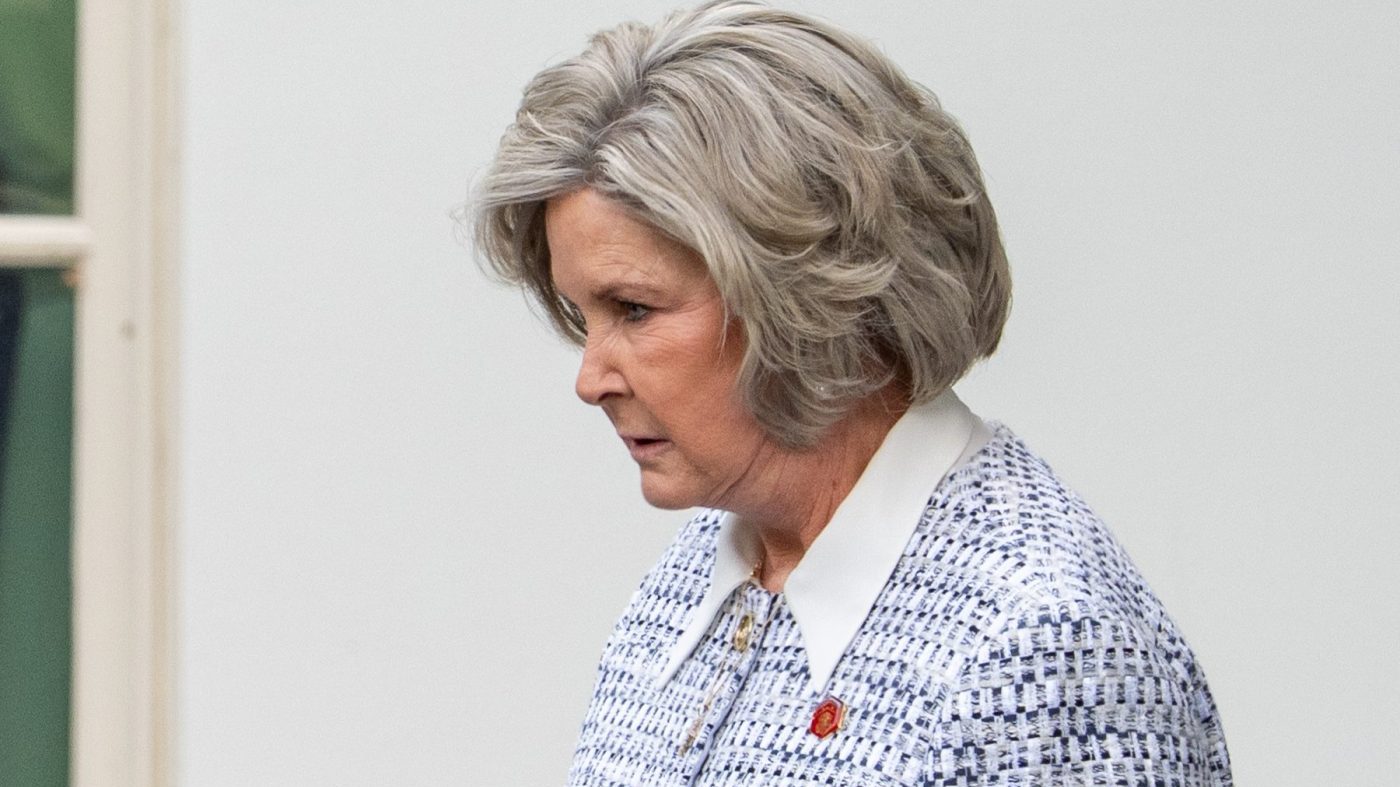
White House chief of staff Susie Wiles declared Wednesday that the Trump administration is “not in the business of picking winners and losers” on artificial intelligence, even as top officials weigh new safety regulations for cutting-edge AI models.
“This administration has one goal: ensure the best and safest tech is deployed rapidly to defeat any and all threats,” Wiles wrote on the social platform X. She praised “frontier labs” for their efforts to meet that objective.

“The White House will continue to lead an America First effort that empowers America’s great innovators, not bureaucracy, to drive safe deployment of powerful technologies while keeping America safe,” she added. “Really, it’s common sense!”
Wiles’ remarks came just hours after National Economic Council Director Kevin Hassett told reporters the White House is considering an executive order that would require AI models to undergo a vetting process before public release—similar to how the FDA approves drugs. “They’re released in the wild after they’ve been proven safe,” Hassett said.
Multiple news outlets have reported the administration is exploring executive actions to address security risks from advanced AI, including a potential pre-release review regime. That has alarmed some in the tech sector, who argue such rules could slow innovation.
The debate sharpened last month after Anthropic released a limited version of its most powerful AI model, Mythos. The company said the system can identify decades-old security vulnerabilities in web browsers, software, and critical infrastructure—a capability that helps defenders patch holes but also gives hackers a faster way to find weak spots.
Wiles’ insistence that the White House won’t pick winners comes as the administration balances competing pressures: national security hawks demanding tighter controls, industry leaders warning against overregulation, and a broader push to maintain U.S. dominance in AI. The stance echoes the administration’s approach in other sectors, like energy and defense, where officials have favored market-driven solutions over government mandates.
For now, the White House is signaling it wants to keep the door open for American innovators while quietly exploring guardrails. Whether that balancing act holds—or gives way to a more formal regulatory framework—remains an open question as Congress and the executive branch grapple with the technology’s rapid evolution.