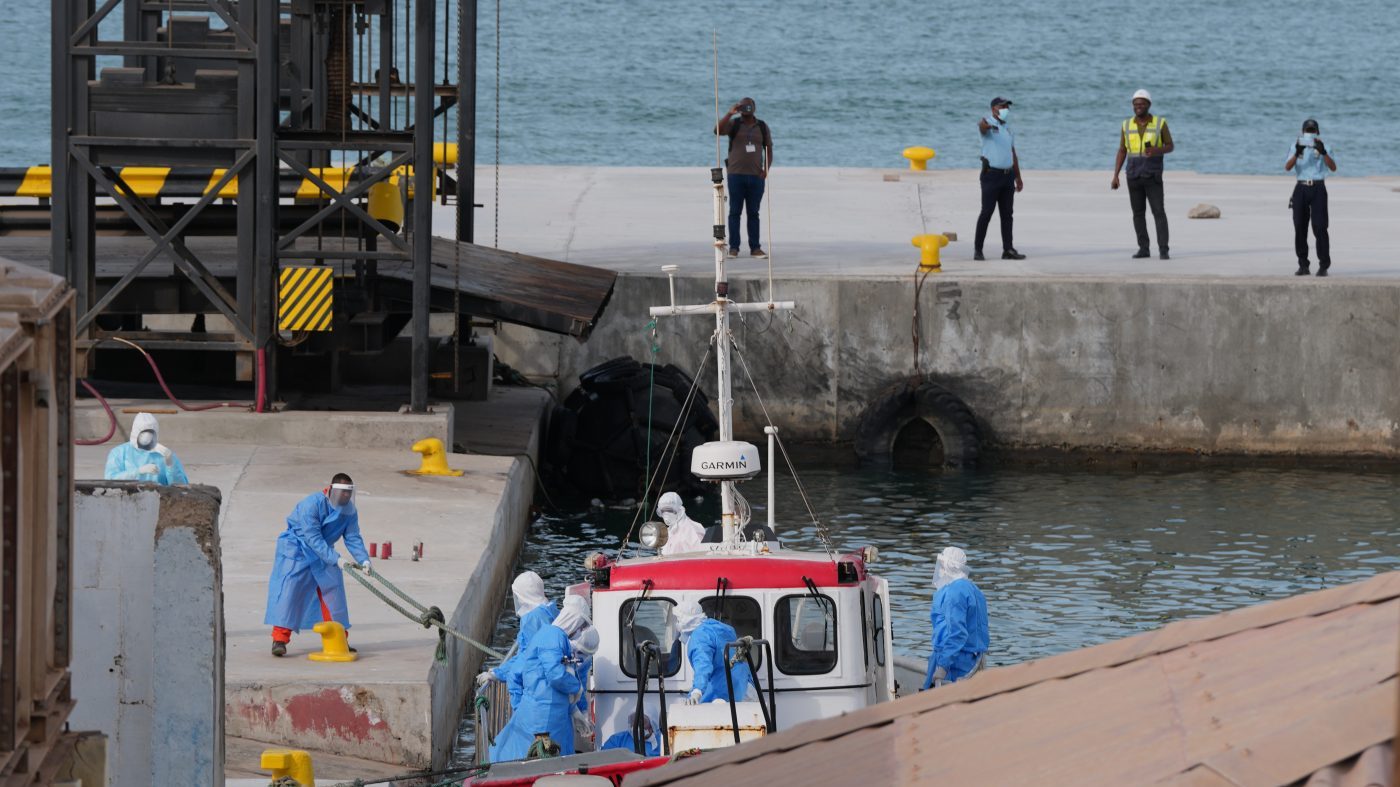
Health authorities in Georgia, California, Arizona, and Virginia are monitoring residents who traveled aboard the MV Hondius cruise ship, where a hantavirus outbreak has left at least three passengers dead and several others ill. The World Health Organization (WHO) confirmed eight cases of the virus among the ship's passengers, with five testing positive for hantavirus and the remaining three considered suspected cases.
During a Thursday briefing, WHO Director-General Tedros Adhanom Ghebreyesus noted that the strain involved is the Andes virus, which can spread from person to person under certain conditions. He added that the public health risk remains low despite the fatalities. The ship, carrying nearly 150 people including 17 Americans, departed from Argentina en route to Antarctica before crossing the Atlantic. It is currently docked off the coast of Cape Verde, an island nation west of Africa.

State-Level Monitoring Efforts
The Georgia Department of Health told The New York Times it is tracking two residents who are in good health and show no signs of infection. A California Department of Public Health spokesperson said the agency is assisting local health officials in monitoring an unspecified number of residents who were on the cruise. Arizona's Department of Health Services confirmed it is monitoring one asymptomatic resident, while the Virginia Department of Health told Newsweek its single monitored traveler is also in good health with no infection signs.
These monitoring efforts come as the cruise line, based in the Netherlands, reported that 29 passengers disembarked at St. Helena, though the Dutch Foreign Ministry put that figure at about 40. The WHO previously evacuated three passengers with suspected hantavirus from the ship, but the agency continues to downplay broader pandemic risks. The U.S. Centers for Disease Control and Prevention echoed that sentiment, emphasizing the low public health threat.
Understanding Hantavirus
Hantavirus refers to a family of viruses typically transmitted through contact with rodent urine, saliva, or droppings, especially when these materials become airborne and are inhaled. Early symptoms mimic the flu—fever, chills, muscle aches, and headaches—appearing one to eight weeks after exposure. As the disease progresses, chest tightness may develop as fluid fills the lungs. Some strains can also cause hemorrhagic fever and kidney damage within one to two weeks. There are no specific treatments or cures for hantavirus.
The current outbreak has drawn attention to the rare but deadly nature of the virus. For context, hantavirus in the U.S. is most commonly reported in rural areas of the Southwest, where deer mice are primary carriers. The Andes virus strain confirmed in this outbreak is particularly concerning due to its potential for human-to-human transmission, a feature not seen in most hantaviruses.
As health officials continue to monitor the affected passengers, the situation underscores the challenges of containing rare pathogens in an era of global travel. The WHO's assessment of low risk may offer some reassurance, but the vigilance of state health departments reflects the seriousness with which they treat even isolated cases of such a deadly disease.