White House Meeting Yields Potential Path to End Shutdown
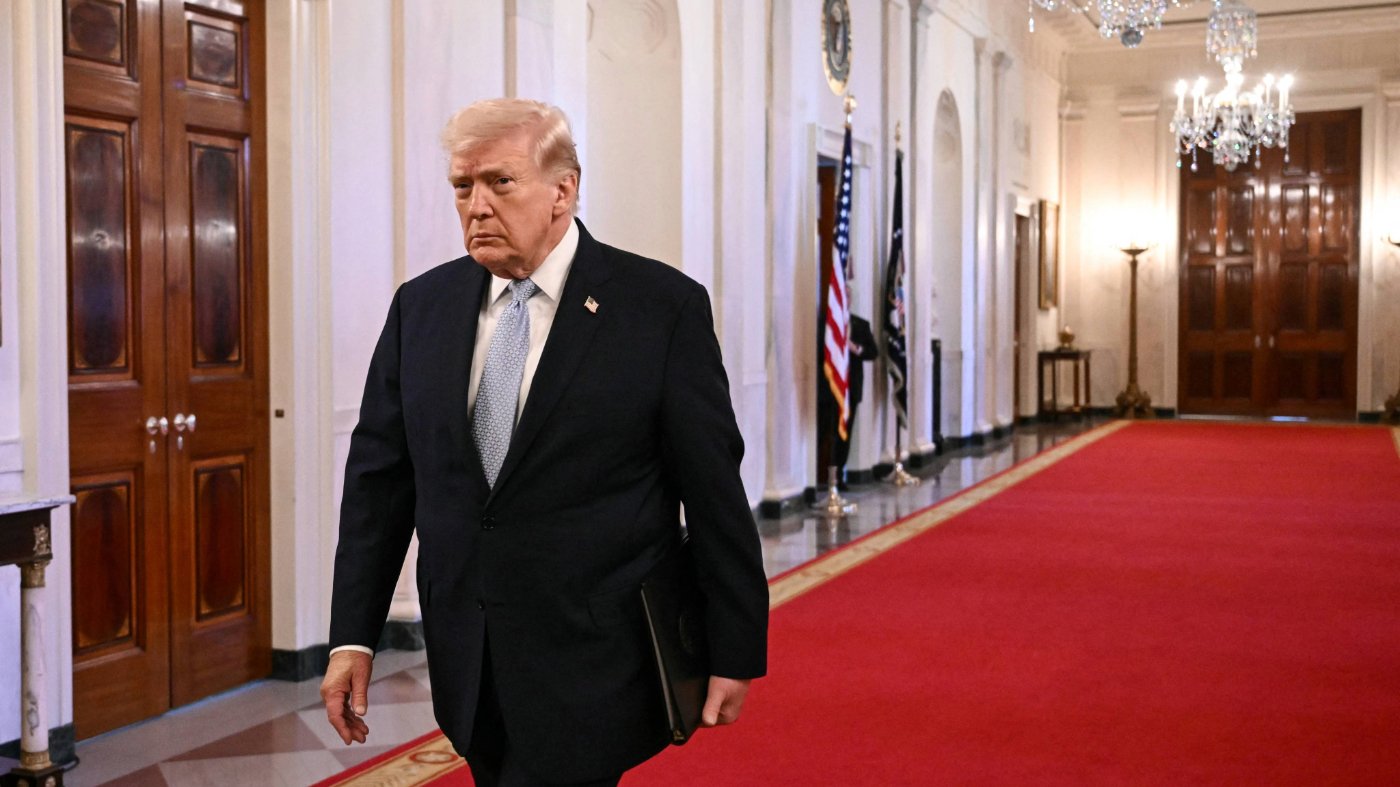
President Donald Trump has indicated a new openness to a compromise that would fund the Department of Homeland Security without immediately securing full appropriations for Immigration and Customs Enforcement removal operations, according to Senate Republicans who met with him at the White House on Monday evening. This represents a significant tactical shift from the president's weekend position, where he insisted he would not make any deal with Democrats unless they first moved his signature voting legislation, the SAVE America Act.
A Two-Track Legislative Strategy
Republican senators presented Trump with a plan to pass a clean Homeland Security appropriations bill, which would reopen agencies like the Transportation Security Administration and FEMA, while using the budget reconciliation process later to separately fund ICE's Enforcement and Removal Operations. This procedural maneuver would allow the ICE funding to pass with a simple majority, bypassing a Democratic filibuster. As part of the proposal, GOP leaders pledged to also attempt to pass elements of the SAVE America Act in a subsequent reconciliation bill.
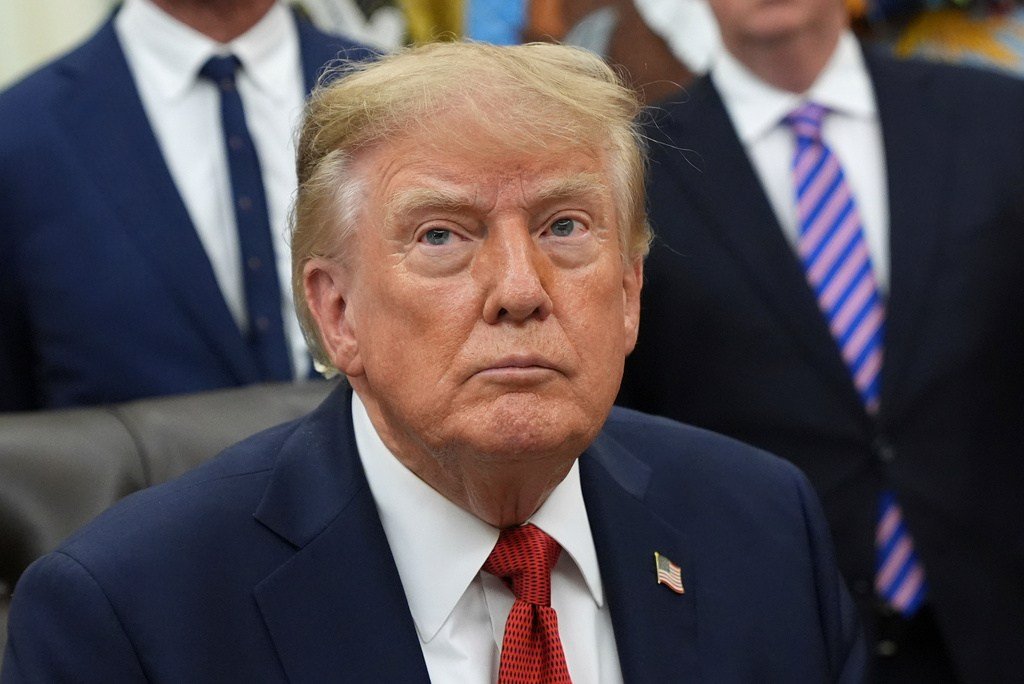
"I think we showed him that we can run a parallel process where we can fund DHS now and have a second reconciliation bill that would put a down payment on some of the SAVE [America] Act," said a source familiar with the discussions. Senators felt they left the lengthy meeting in a "pretty good spot" with the president.
Reversal from Weekend Demands
The new posture marks a stark reversal from Trump's public and private statements just days prior. Over the weekend, he emphatically rejected a similar proposal from Senate Republicans, telling NewsNation, "I don't think any deal should be made on this until they approve Save America." He doubled down on the social media platform Truth Social, writing he would not deal with "Crazy, Country Destroying, Radical Left Democrats" unless they passed his voting bill.
Senate Majority Leader John Thune had earlier called Trump's demand to link the funding to the voting bill unrealistic, noting there was "almost unanimous agreement" in the GOP conference on the SAVE America Act's policy but warning that holding the government hostage for its passage was "not a realistic outcome." This internal GOP pressure mirrors other moments where the administration has recalibrated its stance on complex negotiations, such as when the Trump administration signaled a potential de-escalation with Iran amid regional tensions.
Mounting Pressure from Shutdown Fallout
The political calculus appears to be shifting due to the tangible consequences of the ongoing partial government shutdown, now in its 39th day. Hours-long security lines are causing chaos at major airports nationwide, creating a direct impact on travelers. "Millions of Americans right now are facing two-, three-, four-hour waits at airports. They're missing their planes for spring break because the Democrats refuse to pay TSA," said Senator Ted Cruz, an early proponent of splitting the DHS funding bill.
Senator Katie Britt, chair of the Senate Homeland Security Appropriations Subcommittee, expressed confidence upon returning to the Capitol. "We do," she said when asked if the group had found a solution to end the stalemate. She was joined at the meeting by Senators Lindsey Graham, Steve Daines, and Bernie Moreno, all known to have good relationships with Trump. White House border czar Tom Homan, immigration policy architect Stephen Miller, and Homeland Security Secretary Markwayne Mullin also attended.
Democratic Reaction and Path Forward
Some Senate Democrats expressed cautious optimism about the developments. Earlier this month, Democrats had themselves proposed passing a DHS bill while setting aside ICE funding pending broader enforcement reforms. "I really like the direction we're heading," said Senator Peter Welch. "We got to get this resolved... We have major problems with the ICE practices but we really want to open TSA and we want to open FEMA."
However, Graham remained noncommittal about the prospects, telling reporters, "We'll see what happens. I'm not going to say anymore, so leave me alone." The episode underscores the volatile nature of Trump's negotiation style, which has been seen in other high-stakes arenas, from his extended ultimatums on Iran to domestic legislative pushes like his recent call for GOP senators to cancel Easter recess to pass voter ID legislation. Whether this signaled shift translates into a concrete deal to reopen shuttered agencies remains the urgent question for lawmakers and the traveling public.