Resignation Over War Policy Fuels Public Critique of Key Ally
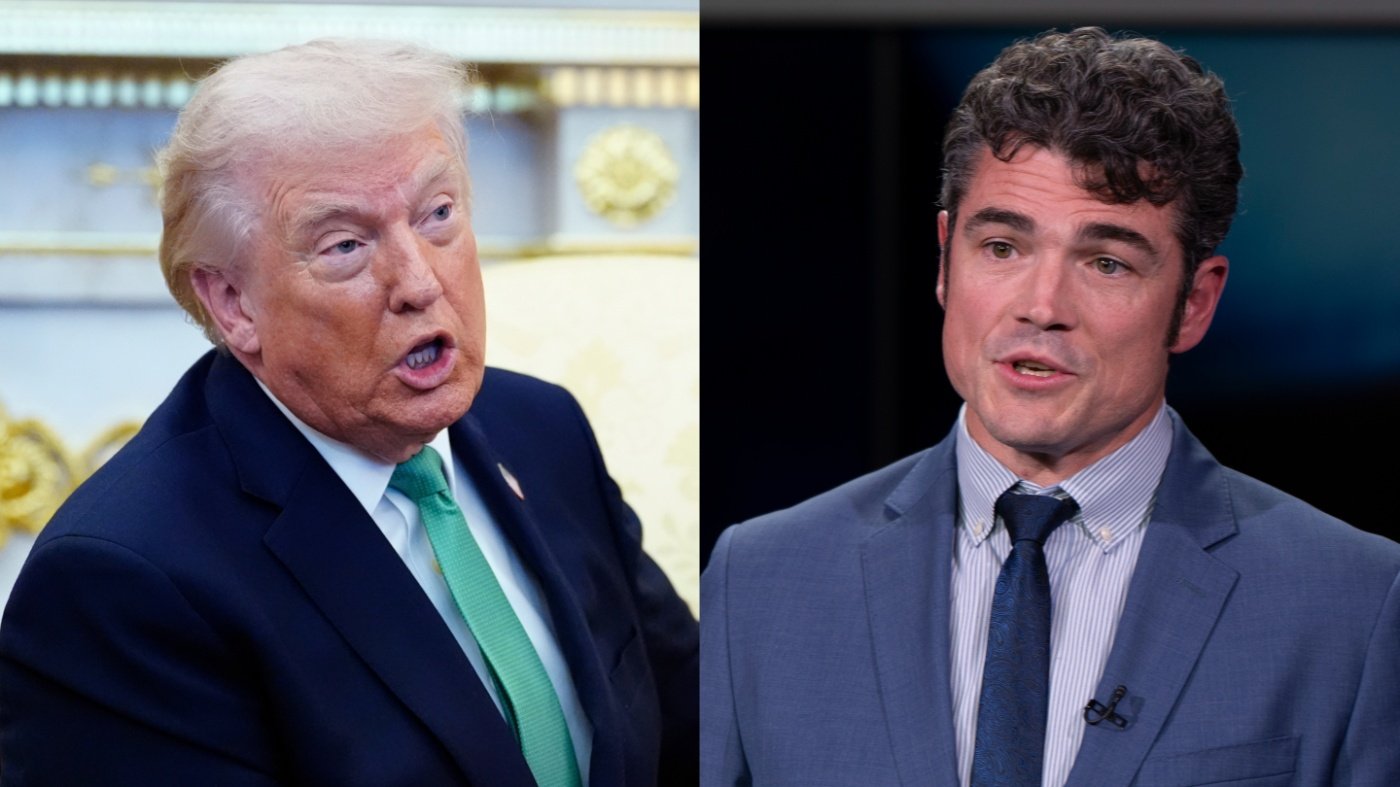
Joe Kent, the former director of the National Counterterrorism Center who resigned last week in protest of the administration's Iran policy, publicly accused Israel on Monday of attempting to sabotage President Trump's efforts to reduce hostilities with Tehran. His sharp criticism follows President Trump's announcement of a five-day pause on military strikes against Iranian energy infrastructure he had previously threatened.
In a post on the social platform X, Kent argued that Israeli military actions are deliberately timed to collapse U.S. diplomatic initiatives. "Step 1 in deescalation must be restraining the Israelis, otherwise all efforts to negotiate will follow this pattern: POTUS publicly announces deescalation. Israel takes major strikes to destroy the negotiations & in turn weaken our ability to negotiate," Kent wrote. He concluded starkly, "The war accelerates."
A Coordinated Pause Meets Immediate Action
Kent's allegations gained immediate context as Israel's Air Force announced a new wave of strikes targeting infrastructure across Tehran shortly after President Trump shared his de-escalation plans. This sequence of events underscores the complex and often contradictory pressures facing the administration as it navigates a potential extended diplomatic window with Iran.
In his resignation letter last week, Kent contended that Iran presented no imminent threat to the United States and that the decision to enter conflict was driven by "pressure from Israel and its powerful American lobby." His departure highlights significant internal divisions over national security strategy. When asked about the resignation, President Trump dismissed Kent as a "nice guy" but "weak on security."
Diplomatic Channels Active Despite Public Denials
While Iranian officials publicly denied holding direct talks with the Trump administration on Monday, sources indicate backchannel communications are actively underway. According to reports, President Trump has been speaking with Iranian parliament speaker Mohammad Bagher Ghalibaf. A source familiar with the discussions told The Jerusalem Post that advanced talks are in progress to schedule a high-level meeting between U.S. and Iranian officials in Islamabad, Pakistan, this very week.
This flurry of diplomatic activity, occurring alongside military posturing, suggests the administration is pursuing a dual-track approach. The potential for a diplomatic breakthrough has already influenced global oil markets, which retreated on the news of the paused strikes. The situation remains fluid, with the five-day pause creating a narrow but critical window for negotiation.
Kent's very public critique places unusual spotlight on the U.S.-Israel relationship, framing it not as an unshakeable alliance but as a potential source of policy friction. His claim that Israeli actions are designed to "weaken our ability to negotiate" strikes at the heart of diplomatic sovereignty and raises questions about who ultimately dictates the timeline of confrontation. This comes as the President credits specific cabinet officials for their early support of military action.
The administration now faces the challenge of managing a key ally while pursuing its own stated goal of de-escalation. The success of this pause, and any subsequent talks, may hinge on its ability to align or restrain allied military actions with its diplomatic calendar. The next several days will test whether a temporary halt in strikes can evolve into a more durable diplomatic process, or if, as Kent warns, the cycle of announcement and allied action will continue to propel the conflict forward.