Global oil markets experienced a sharp reversal Monday, with key benchmarks shedding more than $10 per barrel following President Donald Trump's announcement of diplomatic progress with Iran. The price movement, however, preceded the president's official statement by several minutes, highlighting the complex relationship between geopolitical signals and energy trading.
Market Movement and Presidential Announcement
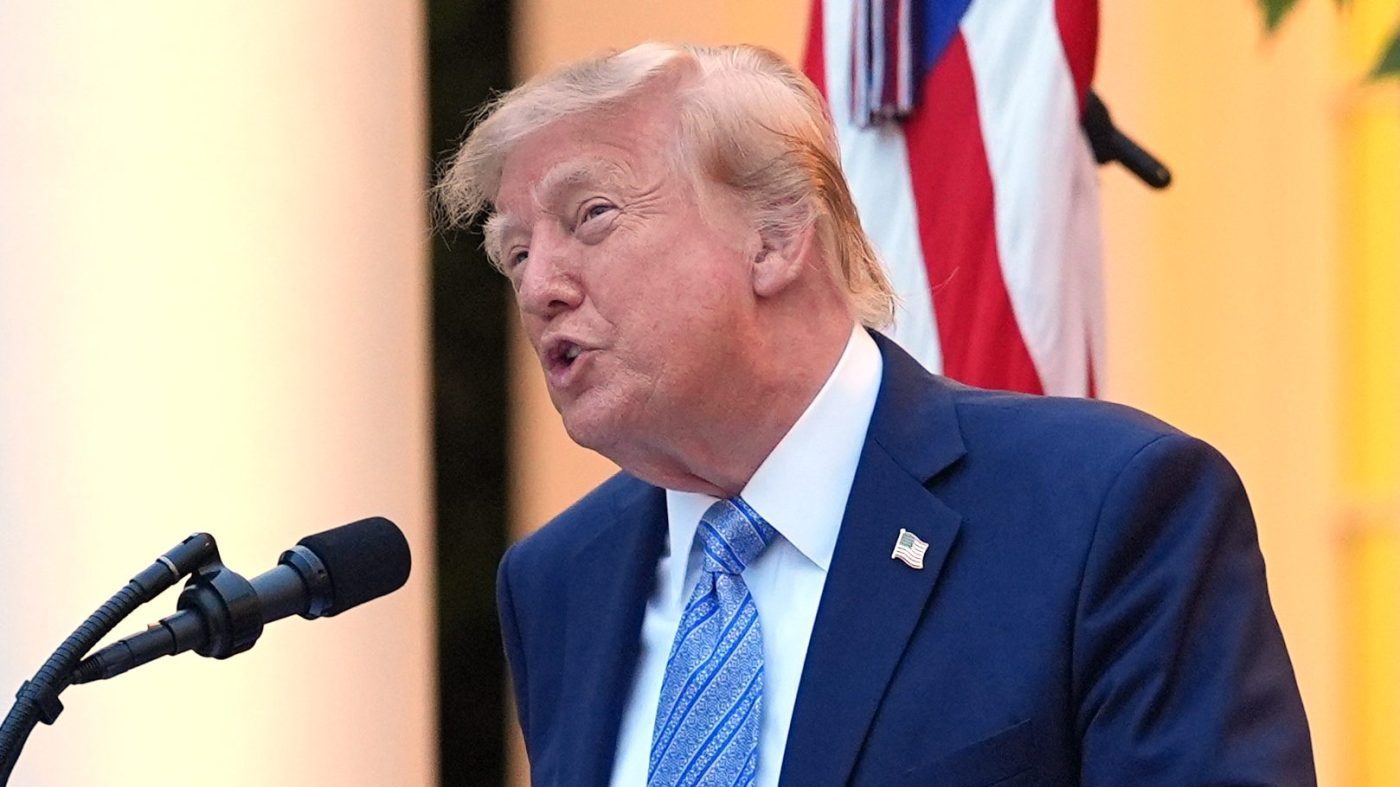
International benchmark Brent crude fell from approximately $113 per barrel earlier in the day to trade around $102. The U.S. benchmark, West Texas Intermediate, dropped from over $100 to about $90 per barrel. This significant retreat occurred shortly before Trump posted on Truth Social that the United States and Iran had engaged in "very good and productive conversations" over the previous two days aimed at achieving "a complete and total resolution of our hostilities in the Middle East."
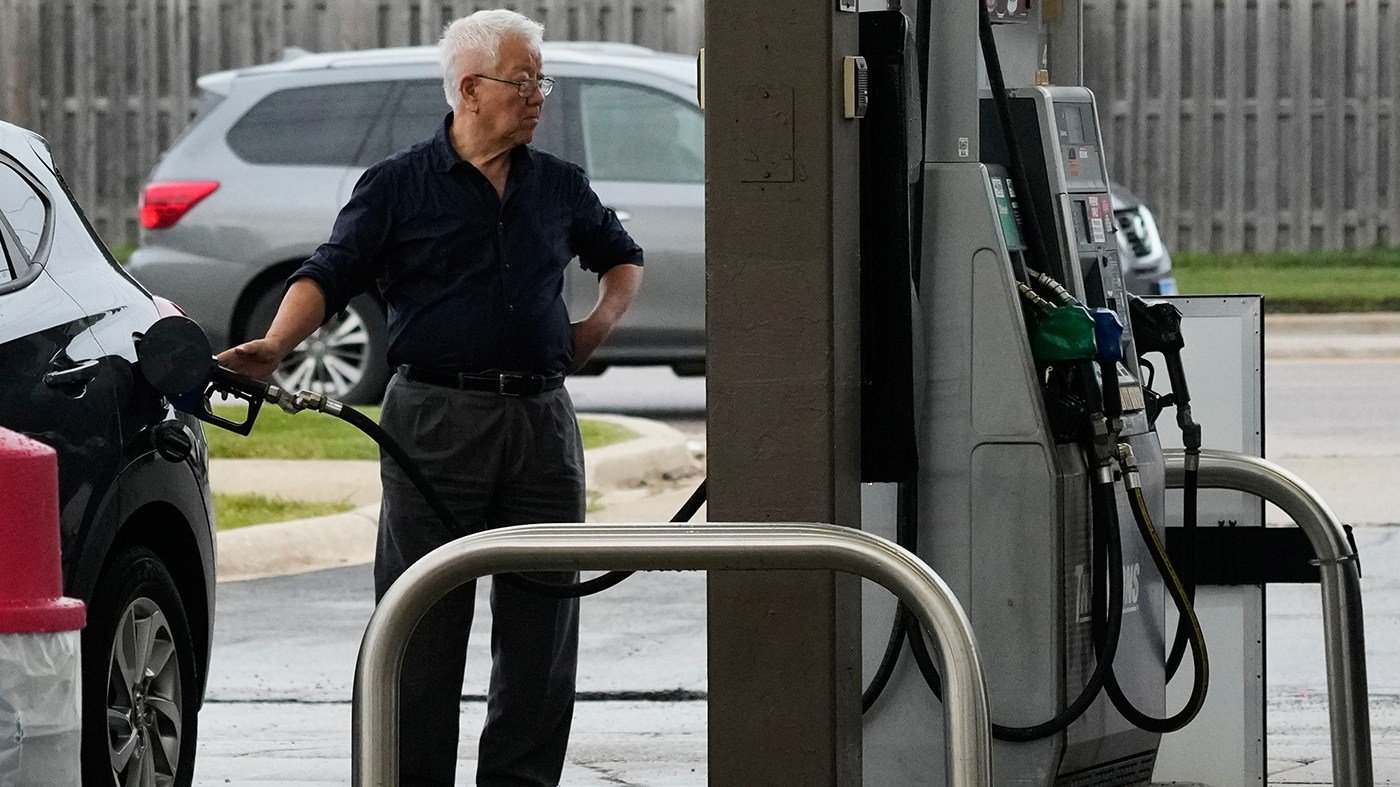
The timing discrepancy between the market move and the public announcement raises questions about information flow and market sensitivity to anticipated diplomatic shifts. Despite the day's decline, prices remain substantially elevated compared to levels before the recent regional conflict, continuing to pressure consumers with high gasoline costs and stoking broader economic concerns.
Context of the Strait of Hormuz Crisis
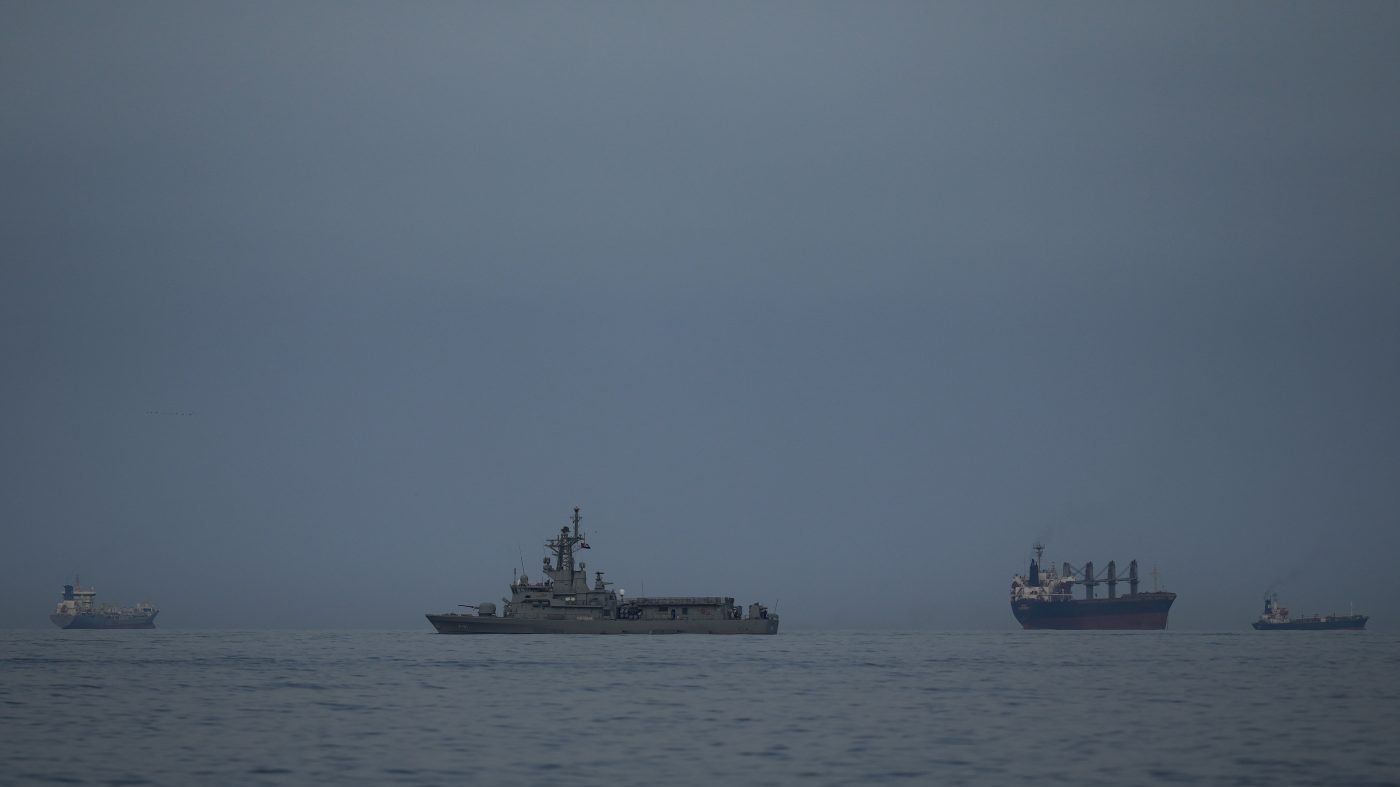
The recent price surge originated from the effective closure of the Strait of Hormuz, a critical maritime chokepoint near Iran through which roughly one-fifth of global oil shipments pass. The prolonged shutdown, a result of escalating regional tensions, had fueled fears of a sustained supply squeeze, driving prices to multi-month highs. The potential for a diplomatic resolution directly addresses this core market anxiety.
This development follows a period of heightened military posturing. As previously reported, the Trump administration had recently extended an ultimatum to Tehran while pausing military strikes, a move that initially spurred a market rally. The current talks appear to be an extension of that diplomatic window.
Divergent Narratives and Domestic Politics
The announcement of productive talks stands in contrast to other recent statements from the region. Israeli Prime Minister Benjamin Netanyahu publicly claimed last week that Trump was seeking a deal with Iran, an assertion that Tehran promptly denied. This pattern of conflicting narratives has characterized the tense period, with the White House now presenting a more optimistic outlook.
Domestically, Trump credited Pete Hegseth, his Secretary of Veterans Affairs, as the first cabinet official to support military strikes against Iran before the diplomatic track gained prominence. The shift from military preparation to negotiation underscores the administration's multifaceted approach to the crisis.
Broader Energy and Economic Implications
The volatility in oil markets has significant ramifications for both global energy policy and the U.S. economy. The administration has concurrently pursued other energy initiatives, including a recent deal to swap offshore wind development for liquefied natural gas projects, aiming to bolster domestic energy security. Stabilizing the Persian Gulf situation is a critical component of this broader strategy.
Persistently high energy prices threaten to exacerbate inflationary pressures and slow economic growth, a political vulnerability for the White House. The market's positive reaction to de-escalation signals demonstrates the high economic stakes of foreign policy in the region. While Monday's drop provides temporary relief, analysts caution that prices will remain sensitive to the substance and verification of any potential agreement between Washington and Tehran.
The path forward remains uncertain. Successful diplomacy could reopen the Strait of Hormuz and restore normal crude flows, potentially bringing prices down further. However, should talks falter, the risk of renewed supply disruption and military action could trigger another rapid price spike, maintaining a state of fragile equilibrium in global energy markets.