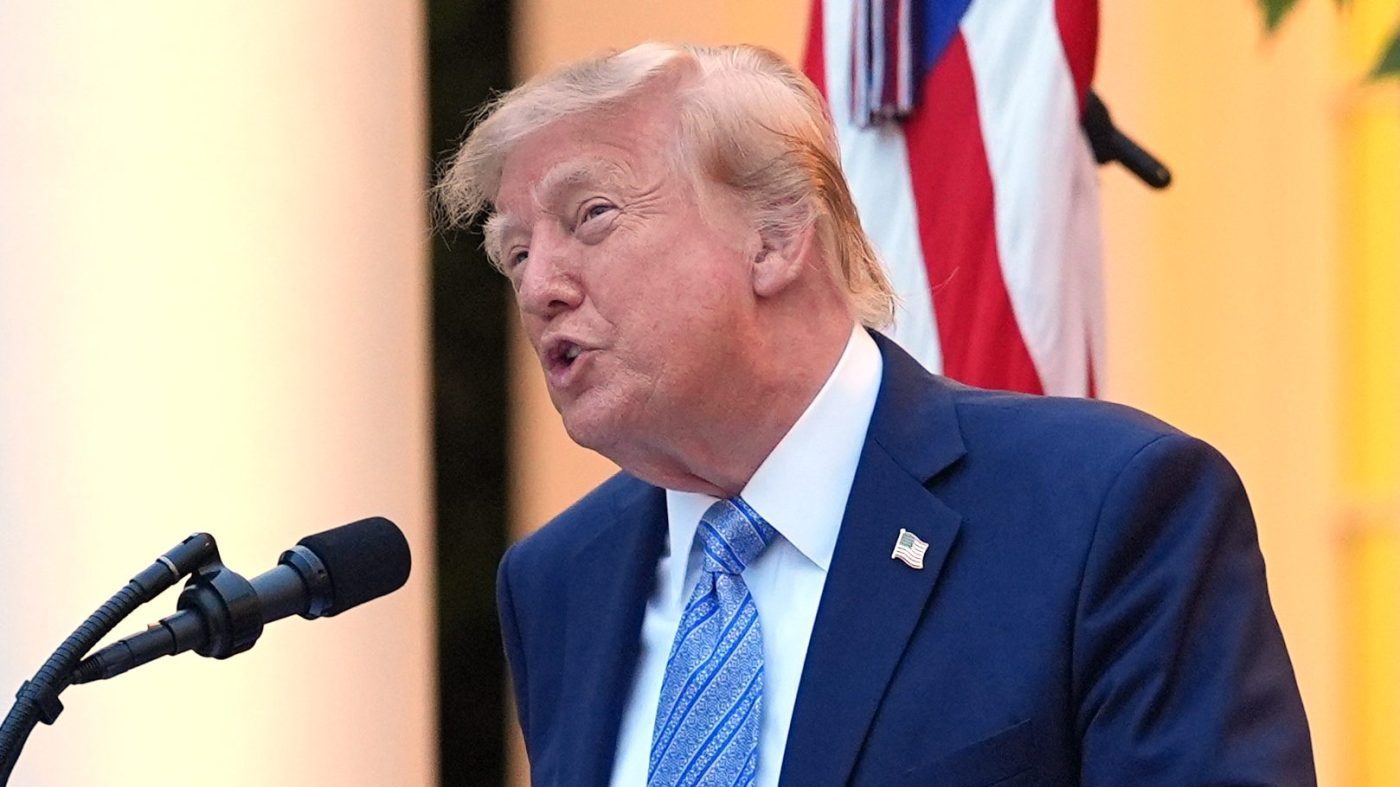
The Trump administration has forged a novel financial settlement with French energy giant TotalEnergies, directly linking the abandonment of offshore wind power to increased investment in American fossil fuel production. Announced Monday, the agreement sees the company surrendering its leases for wind projects off the coasts of North Carolina, South Carolina, and New York while pledging not to pursue new U.S. offshore wind development.
A Dollar-for-Dollar Swap
In exchange for exiting the wind sector, the federal government will reimburse TotalEnergies “dollar-for-dollar” for its subsequent investments in U.S. oil, gas, and liquefied natural gas (LNG) infrastructure, according to an Interior Department release. The reimbursement is capped at the amount the company previously paid for the now-relinquished offshore wind leases. TotalEnergies has committed to investing approximately $1 billion in domestic fossil fuel production.
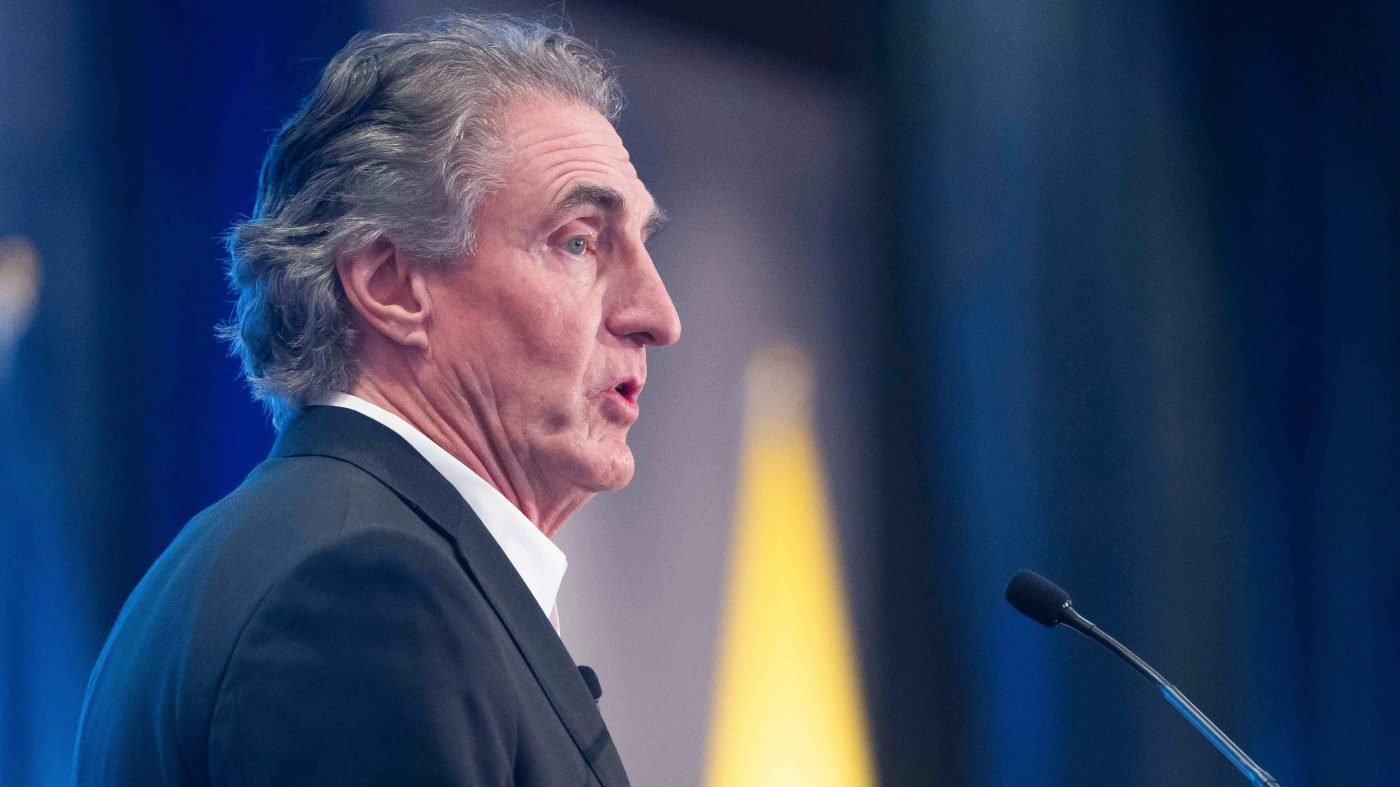
Interior Secretary Doug Burgum framed the deal as a victory for the administration's energy agenda. “This agreement is yet another win for President Trump’s commitment to affordable and reliable energy for all Americans,” Burgum said in a statement. The move represents a tactical evolution in the administration's long-standing efforts to prioritize fossil fuel development over renewable alternatives.
Strategic Pivot to LNG and Data Centers
TotalEnergies Chairman and CEO Patrick Pouyanné stated the company “is pleased to sign this settlement agreement... and to support the Administration’s Energy Policy.” He specified that the freed-up capital will finance the construction of the Rio Grande LNG export facility in Texas and support other oil and gas activities.
Pouyanné highlighted the dual-market rationale behind the shifted investments. “These investments will contribute to supplying Europe with much-needed LNG from the U.S. and provide gas for U.S. data center development,” he said. This underscores the growing intersection of energy policy with both geopolitical strategy and technological infrastructure demands.
The agreement formalizes a corporate retreat from offshore wind that began after the 2024 election. TotalEnergies had previously paused plans for a major wind project near New York but initially retained its lease. The new settlement permanently closes that door, converting the company's financial position from wind to hydrocarbons.
Broader Context of Administrative Pressure
This reimbursement model marks a new approach in the administration's campaign to curb offshore wind. Previous attempts to revoke construction permits for major wind farms encountered significant legal obstacles and court setbacks. The deal with TotalEnergies offers a financial incentive for voluntary withdrawal, potentially creating a template for other developers.
The administration's focus on boosting LNG exports aligns with its broader foreign policy objectives, which include leveraging American energy to support European allies and applying economic pressure on competitors. This energy diplomacy occurs alongside other complex international maneuvers, such as the contested reports of outreach to Iran.
Critics are likely to condemn the arrangement as a direct subsidy for fossil fuels that undermines the economic viability of renewable energy. The deal emerges in a heated political climate where energy policy remains a central fault line, a theme evident in debates over issues ranging from campaign spending to international conflict, as seen in the detailed scrutiny of major political ad contracts.
Ultimately, the TotalEnergies settlement crystallizes the Trump administration's energy priorities: actively dismantling offshore wind capacity while deploying federal agreements to stimulate and underwrite oil and gas production, with a clear emphasis on expanding the U.S. footprint in the global LNG market.